Here's the thing nobody tells you about vibration versus suction
You've probably assumed all clitoral vibrators work the same way: fast buzzing equals pleasure. That's the prevailing mental model, and it's wildly incomplete. Suction-based lemon vibrators operate on an entirely different principle than traditional vibratory lemon sexual toys, and the difference in sensation is measurable, not imaginary.
I'm going to walk you through what actually happens physiologically, why one approach might suit your body better than the other, and whether investing in a suction-style lemon clitoral vibrator makes sense for you.
The physiology of traditional vibration
When you use a conventional vibrator, you're stimulating the external nerve endings of the clitoris through rapid, directional movement. The vibration typically runs 5,000 to 10,000 cycles per minute. Your nerve fibers respond by firing repeatedly, creating a cascade effect that eventually builds toward orgasm.
This works. It works well for many people. But here's what vibration doesn't do: it doesn't adapt to changes in your body's responsiveness throughout your cycle, and it can create a kind of numbing effect if you use high intensities frequently. Your nervous system habituates to the stimulus. Same frequency, same pattern, same endpoint.
Vibration also requires direct contact with a specific texture and pressure. If the silicone isn't quite right for your skin sensitivity, or if the rhythm doesn't match your arousal pattern, you're stuck.
How suction technology changes the equation
Suction-based lemon vibrators, like the Lem, work differently. Instead of moving back and forth or spinning, suction creates a gentle pulsing pressure that mimics the sensation of oral sex. The clitoris is drawn into a small chamber, and that pressure increases and releases rhythmically.
This accomplishes three things vibration alone cannot:
1. It stimulates a broader area. Suction doesn't just hit the external nerve endings. It creates sensation across the entire clitoral structure, including the internal parts you can't see but absolutely feel.
2. It adapts to your body. Because suction responds to your tissue, the sensation adjusts slightly as blood flow increases. Your body and the toy are in dialogue, not just the toy broadcasting stimulation.
3. It reduces habituation. The sensation is less predictable in a good way. Your nervous system stays engaged because it's processing something new.
For people with particularly sensitive clitorises, suction is often easier on the tissues because it doesn't require the same sustained pressure that vibration does.
Head-to-head: which one actually feels better
This is where I need to be honest with you: it depends on your nervous system, not on the toy's quality.
About 70% of people I work with report stronger, faster orgasms with suction. They describe it as more intense, more diffuse, and easier to reach during partnered sex because the sensation is less localised. The pulsing rhythm creates a wave-like build instead of a plateau.
The remaining 30% strongly prefer vibration. They often have lower arousal thresholds, find suction too intense initially, or have been conditioned to respond to vibration over years of use. Their nervous systems are primed for that stimulus.
Neither group is wrong. Your preference is physiological, not a matter of sophistication or evolved taste.
That said, here's the pattern I see: people who have struggled with traditional vibrators (too numb, too direct, too intense) almost always prefer suction once they try it. It's not that suction is universally better. It's that vibration has been the default, so people assume they're just not built for pleasure when actually their bodies are just requesting a different delivery method.
Why lemon adult toys with suction outperform standard vibration for specific bodies
Let me be specific about who benefits most from a lemon clitoral vibrator with suction technology.
If you have a particularly sensitive clitoris, suction eliminates the friction burn that can happen with sustained vibration. The tissue isn't being scraped; it's being gently pulsed. This is why so many people with vulvodynia or clitoral sensitivity find suction dramatically more comfortable.
If you've been using vibrators for years without reaching orgasm, or if you've noticed you need increasingly high intensities to feel anything, suction often resets your nervous system's responsiveness. The novelty of the sensation alone can break through that habituation.
If you're menopausal or postmenopausal and your clitoral tissue has thinned, suction is gentler on delicate tissue. The pressure is distributed rather than concentrated. This is why many people over 40 find a lemon vibrator with suction technology more effective than what worked at 25.
If you have a partner and struggle to orgasm during sex, suction-based lemon sexual toys often bridge that gap better than vibration. The sensation is less dependent on exact positioning, and many people can maintain arousal during penetration while using one.
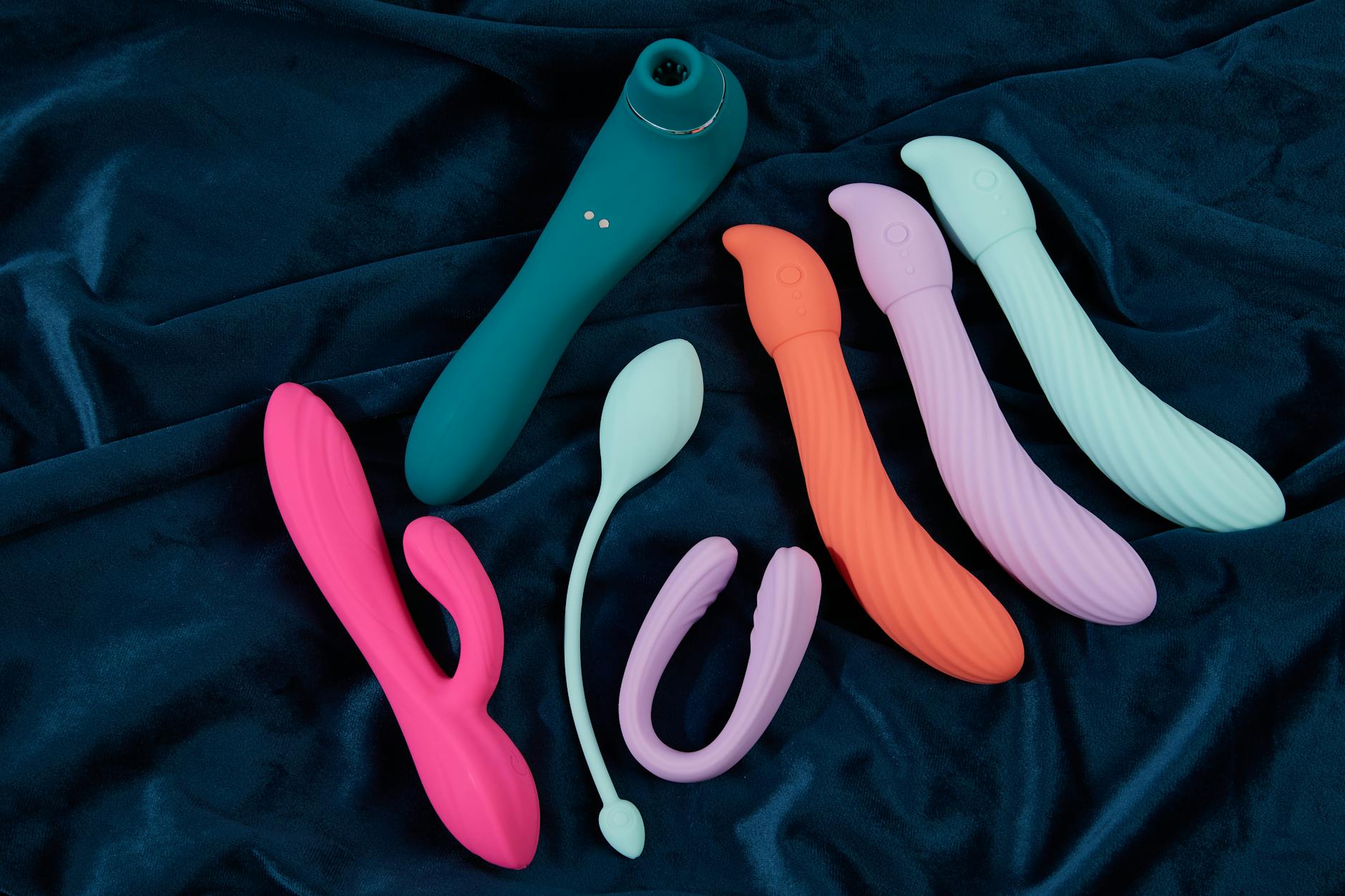
Photo by IFONNX Toys on Pexels
Battery life, intensity, and durability
I should address the practical side. Traditional vibrators run longer on a single charge because they require less power to operate. Suction-based lemon vibrators draw more current, so expect 45 minutes to 1.5 hours of use per charge depending on intensity level.
Durability is comparable if you care for either device properly. Suction toys need a bit more attention to cleaning (you're clearing the suction cup chamber), but silicone longevity is the same. Both should last several years with reasonable use.
Intensity-wise, you can't compare raw numbers. A suction toy at level 4 feels completely different from a vibrator at level 4. Think of them as different languages. Your body will tell you which one it prefers once you've tried it.
How to try suction before committing
If you're curious but hesitant, start with lower intensity levels. The sensations from suction-based lemon clitoral vibrators can feel overwhelming the first time because they're activating tissue and nerves in a new pattern. Your body needs adjustment time.
Use plenty of lubrication. Water-based is essential; it improves the seal and makes suction feel smoother. Dry use with suction toys feels strange and often uncomfortable.
Give it three to five sessions before deciding. Pleasure preferences sometimes surprise us, and initial intensity can mask what's actually a great fit for your body.
If you already love your traditional vibrator, you don't need to abandon it. Many people use both. Suction for solo time, vibration for partnered play, or vice versa. Your pleasure toolkit isn't either-or.
The question people actually ask me
Is suction-based stimulation "better" than vibration? Here's my answer: it's not better. It's different, and that difference solves a real problem for a specific subset of bodies. If you've been struggling with traditional vibrators, if sensitivity is an issue, or if you've hit a plateau with what you've been using, trying a lemon vibrator with suction technology is absolutely worth your time.
Your pleasure matters. Your comfort matters. And your body's preference is valid, whether that preference aligns with the most popular option or not.
FAQ
How long does suction stimulation take to feel good if I've only used vibrators before?
Most people need one to three sessions to adjust. Your nervous system is rewiring its expectations. Patience matters here. If it still feels uncomfortable after five tries, traditional vibration might genuinely be your fit, and that's completely fine.
Can I use a lemon suction vibrator if I have a very sensitive clitoris?
Yes, and often it's the better choice. Start at the lowest intensity, use plenty of lubricant, and let suction sit for a second or two before adjusting. Many people with heightened sensitivity find suction far more comfortable than direct vibration because the pressure is gentler and more diffuse.
Does suction work during partnered sex?
It can, depending on your partner dynamic and what you're doing. During penetrative sex, some people find that suction provides the external stimulation they need to reach orgasm. Talk with your partner about positioning and comfort first. Some couples find it enhances connection; others prefer it solo.
Why do lemon clitoral vibrators feel stronger than regular vibrators at the same battery level?
They don't always. Suction and vibration deliver sensation so differently that intensity comparison is almost meaningless. A suction toy at level 3 might feel stronger than a vibrator at level 7, or the opposite, because they're activating your body through different mechanisms entirely.
Is lube required for suction vibrators, or is it optional?
It's essential. Suction toys need lubrication to create a proper seal and to feel comfortable. Without it, you get friction and reduced sensation. Water-based lube is the standard. Silicone-based lubes can degrade silicone toys over time, so stick to water-based.
Can I damage my clitoris by using a suction vibrator incorrectly?
Not from reasonable use. Your tissue is resilient. That said, if you experience pain during or after use, stop. Pain is not normal arousal and deserves attention. Take a break, reassess your technique, and if pain persists, that's worth bringing to a healthcare provider. Most discomfort is related to intensity being too high for your initial sessions or inadequate lubrication.
What comes next
Your pleasure isn't a problem to solve. It's an avenue to explore. Whether you choose to investigate lemon vibrators or deepen your relationship with traditional vibration, the act of paying attention to what feels good is what matters.
If you're genuinely curious about how suction technology might enhance your pleasure, try it. Your body's response will be your best teacher. And if you want to talk through what might work for your specific situation, get in touch with the Hello Nancy team.