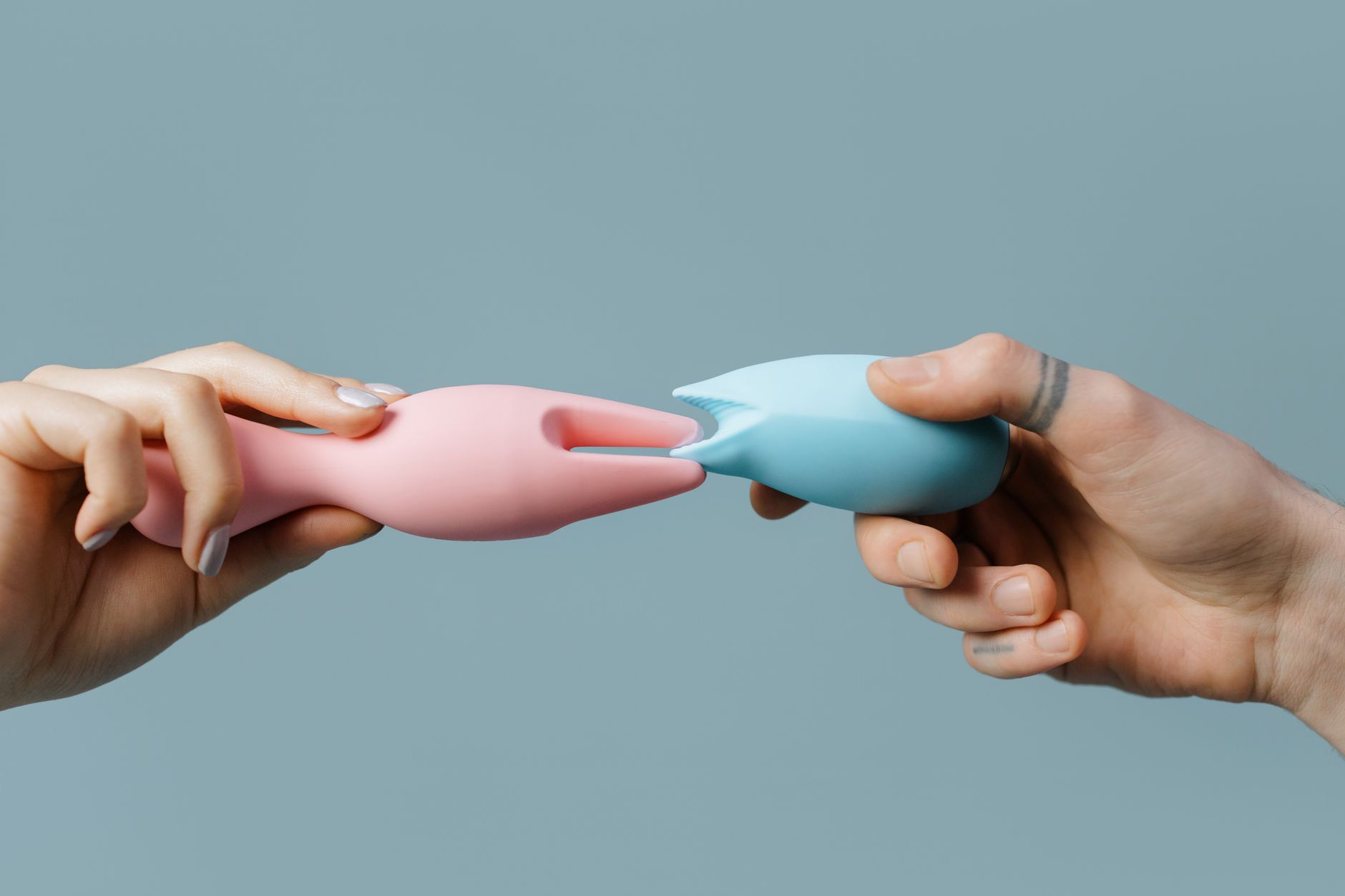
Your arousal response doesn't disappear. It hibernates.
Let's be real: if you haven't had sex in months, years, or even longer, the thought of diving back in can feel strange. Your body might feel disconnected from pleasure. You might feel rust. That's not unusual at all.
Here's the thing that actually matters. The neural pathways for arousal don't dissolve. They dormant. And there's a measurable difference between those two things. Dormant means they wake up again. And lemon clitoral vibrators are, frankly, one of the best tools for speeding up that wake-up call.
What happens to arousal during a long break
When you stop engaging sexually for an extended period, a few things occur simultaneously.
First, your brain loses the regular signal that "this body is sexual." You stop noticing sensations the way you used to. A touch on your arm doesn't spark anything. Your clitoris feels almost like someone else's body part. This is normal neuroplasticity at work, not failure.
Second, your pelvic floor muscles tighten. Estrogen fluctuations (whether from aging, stress, or hormonal changes) can make tissue thinner and less elastic. Blood flow to the genitals decreases naturally when you're not using those tissues. Everything tightens a little.
Third, there's often an emotional layer sitting on top of the physical one. Shame about the time that's passed. Worry that your body won't respond. Grief about what you've lost. That mental chatter is louder than actual physical dysfunction, and it absolutely suppresses arousal.
Why lemon vibrators are different from other toys
Most vibrators use rub or vibration alone. That works great once you're already halfway aroused. But when you're starting from zero, friction can feel too intense, irritating, or strange on tissue that's been dormant.
Lemon clitoral vibrators use suction and pulsation instead. They create a gentle vacuum effect that pulls tissues slightly, stimulating nerve clusters without direct friction. This matters because suction activates different nerve pathways than traditional vibration. Your body recognizes it as novel and pleasant without needing you to already be "turned on."
For someone returning to pleasure, this distinction is huge. You can start at very low intensity. The sensation feels different enough to be interesting, but gentle enough not to shock your system. It's like waking up your arousal response without yanking it out of bed.
The first 1-2 weeks: solo exploration
Don't jump straight into using a lemon vibrator with a partner. Give yourself permission to remember what your own body feels like first.
Start in a private, comfortable space. Give yourself at least 15-20 minutes with zero pressure to achieve anything. Honestly, the first few sessions might not feel like much. You might feel awkward, disconnected, or nothing at all. That's completely fine.
Set the lemon clitoral vibrator to its lowest setting. The lowest. Start by holding it near your clitoris without making direct contact. Let the sensation build slowly. You're not trying to orgasm. You're not even trying to feel "turned on." You're just reintroducing yourself to a sensation you haven't experienced in a while.
Over the first two weeks, you might gradually increase intensity or play with different patterns. Some people find that consistent daily or near-daily use jumpstarts their arousal response faster than sporadic sessions. Your nervous system learns: this activity is safe and pleasurable.
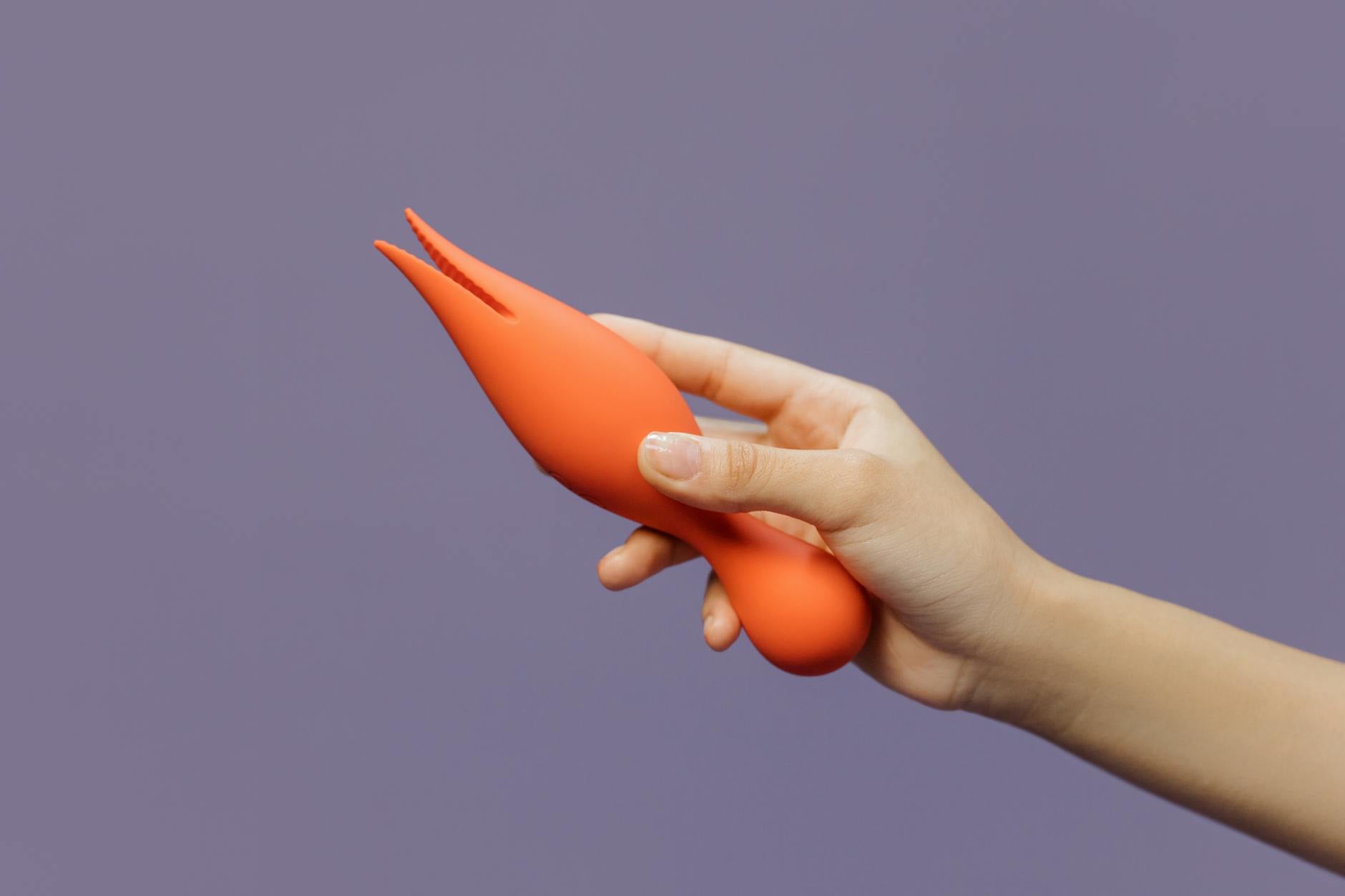
Photo by cottonbro studio on Pexels
Weeks 2-4: paying attention to what shifts
Here's what most people notice around the second or third week: the sensation changes. The clitoris becomes slightly more sensitive. You might notice your breath shifting or your heart rate changing. Touching other parts of your body might feel a little more interesting.
This isn't your arousal "coming back." It's your nervous system recognizing that your body is sexual again. The changes are small, but they're real.
If you've been without sex due to relationship loss or grief, this is also when the emotional stuff sometimes surfaces. You might feel sadness or loss midway through a session. That's not a reason to stop. It's actually your emotional system recalibrating too. You can sit with both the physical sensation and the feeling.
If you're using a lemon vibrator and genuinely feel no sensation at all by week three, that's worth checking in with a healthcare provider about. Numbness can signal nerve issues or sometimes medication side effects. But most people do notice shifts by this point.
Week 4+: introducing a partner (if you want to)
Once solo play starts to feel familiar again, introducing a partner becomes simpler. You already know what works for your body. You can show them directly.
Talking about it beforehand helps. Something like: "I've been using this to rebuild my arousal response, and I'd like us to try it together." Frame it as exploration, not a fix for a broken dynamic. Because that's what it is.
When using a lemon clitoral vibrator during partnered sex, most people find that low-to-medium intensity works best. Your partner can hold it, or you can. Some couples enjoy the intimacy of one person using the vibrator while the other is touching them elsewhere. Others prefer using it solo while a partner provides other stimulation.
The key is that you're not starting your journey back to arousal in a charged, pressurized partnered moment. You've already done the hard rewiring work alone.
The emotional piece is just as important as the physical one
I want to be direct about this: if you've been without sex due to trauma, abuse, or a painful relationship ending, a lemon clitoral vibrator isn't a replacement for therapy. It can be a useful tool alongside healing work, but not instead of it.
If you've been without sex because life got busy, kids arrived, caregiving happened, or you've been alone and didn't prioritize it, then returning to pleasure is often simpler. It's more about permission and logistics than processing.
Either way, shame is the thing that slows the process most. You might feel weird about the time that's passed, or embarrassed that your body feels unfamiliar. Those feelings are normal and temporary. They soften as you practice self-compassion and rebuild familiarity.
Practical things that help speed the process
Beyond using a lemon clitoral vibrator, a few other things matter.
Water-based lubricant makes a difference, especially if tissue feels dry or thin. Use it. Lube isn't a sign something's wrong. It's a tool that makes sensation more pleasant.
Consistency matters more than intensity. Using your vibrator three times a week for four weeks gets you further than one marathon session. Your nervous system learns through repetition.
Time of day can affect how you feel. Some people find morning sessions easier when they're less mentally tired. Others prefer evening. Experiment and notice.
If physical sensation truly isn't budging after 3-4 weeks of consistent use, or if you experience pain, check in with a gynecologist. Sometimes hormonal changes, medication side effects, or tissue changes need professional input. That's not failure. That's good information.
Why lemon vibrators specifically help with this
Lemon clitoral vibrators are designed for gentle, consistent stimulation. The suction mechanism is forgiving enough for someone whose arousal response is sleeping. It's variable enough that you can adjust as your sensitivity changes week to week. And honestly, they're well-engineered tools built for real pleasure, not novelty.
There's also something about using a specifically designed lemon vibrator that sends a signal to yourself: I'm worth this. I'm taking this seriously. My pleasure matters enough to invest in a real tool. That psychological component matters more than people admit.
Your arousal response is waiting for you
The longest break doesn't erase your capacity for pleasure. It just means you need to wake it up slowly and with intention. Lemon clitoral vibrators give your nervous system something interesting to respond to, without the intensity or friction that can feel jarring after time away.
Start solo. Give yourself weeks, not days. Use lubricant. Reduce pressure. Notice small shifts. That's the path back. And it works.
Frequently asked questions
How long before I feel anything again when starting from zero arousal?
Most people notice some physical sensation within the first 3-5 sessions. Emotional arousal (actually wanting sex, not just noticing sensation) often takes 2-4 weeks of consistent use. Everyone's timeline is different depending on why you took a break, stress levels, hormonal factors, and whether you're also doing emotional processing work. Patience is the operative word.
Can I use a lemon clitoral vibrator if I have vaginismus or pelvic floor tension?
Yes, because suction-based stimulation requires no insertion and creates gentler sensation than traditional vibrators. Start on the lowest setting, use it externally only, and focus on relaxation rather than arousal. If pelvic floor tension is severe, pairing vibrator use with pelvic floor physical therapy or relaxation breathing makes a big difference.
What if I'm nervous about using a toy after being away from sex for so long?
That nervousness is completely normal and doesn't mean something's wrong. Start with solo sessions where there's zero performance pressure. You're not trying to become aroused. You're just reintroducing yourself to sensation. The nervousness usually fades once you realize your body still works.
Should I tell my partner I'm using a lemon vibrator before returning to partnered sex?
That depends on your relationship and communication style. If you're in a committed partnership, transparency helps. Something simple like "I'm exploring on my own to feel more ready," or "I want to show you something new," opens the door. If you're not in a relationship yet, solo exploration helps you know yourself before inviting someone else in.
Is it normal to feel emotional while rebuilding arousal after a long break?
Completely normal. Your body and emotions are reconnecting after being dormant. You might feel sadness, loss, joy, or even laughter. All of those are signs that your system is waking up. Let yourself feel without judgment.
How do I know if my lack of arousal is physical or emotional?
That's often impossible to separate cleanly. Extended time without sex affects both. If physical sensation is completely absent after 4 weeks of regular vibrator use, or if you experience pain, get a healthcare provider's input. If you notice sensations but resistance or anxiety block arousal, that's the emotional piece. Both need attention.
You're not starting over. You're returning.
There's a difference, and it matters. Your body remembers. Your capacity for pleasure is still there. It's just been quiet for a while. Using a lemon clitoral vibrator gives you a gentle, effective way to wake that capacity back up. Start solo, be patient, and trust that your nervous system knows how to respond once you give it permission and the right stimulus.
If you're unsure where to start with rebuilding intimacy after a long gap, or if you want support navigating the emotional piece alongside the physical one, reach out for a conversation. Sometimes having a space to talk through what held you back makes the return easier.