Let's talk about what infidelity actually does to your body
Infidelity doesn't just hurt emotionally. It rewires your nervous system around touch. Your body becomes a place where you can't quite trust what's happening. The intimacy that used to feel natural now carries a question mark. Even if you're choosing to stay and rebuild, your nervous system hasn't gotten the memo yet.
That's where a lot of couples get stuck. They're committed to healing. They're in therapy. They're having the conversations. But the moment they try to reconnect physically, everything tightens. The touching that should feel reconnective feels loaded.
Why solo pleasure matters more than you think
Here's what I've noticed in my practice: couples who rebuild intimacy fastest after betrayal are the ones where each partner spends time reclaiming pleasure independently first.
This sounds counterintuitive. Shouldn't rebuilding intimacy be about being together? Not quite. When you're rebuilding trust after infidelity, your body needs to learn something crucial: pleasure is not conditional on someone else's loyalty. It's not something that can be taken from you or weaponized against you.
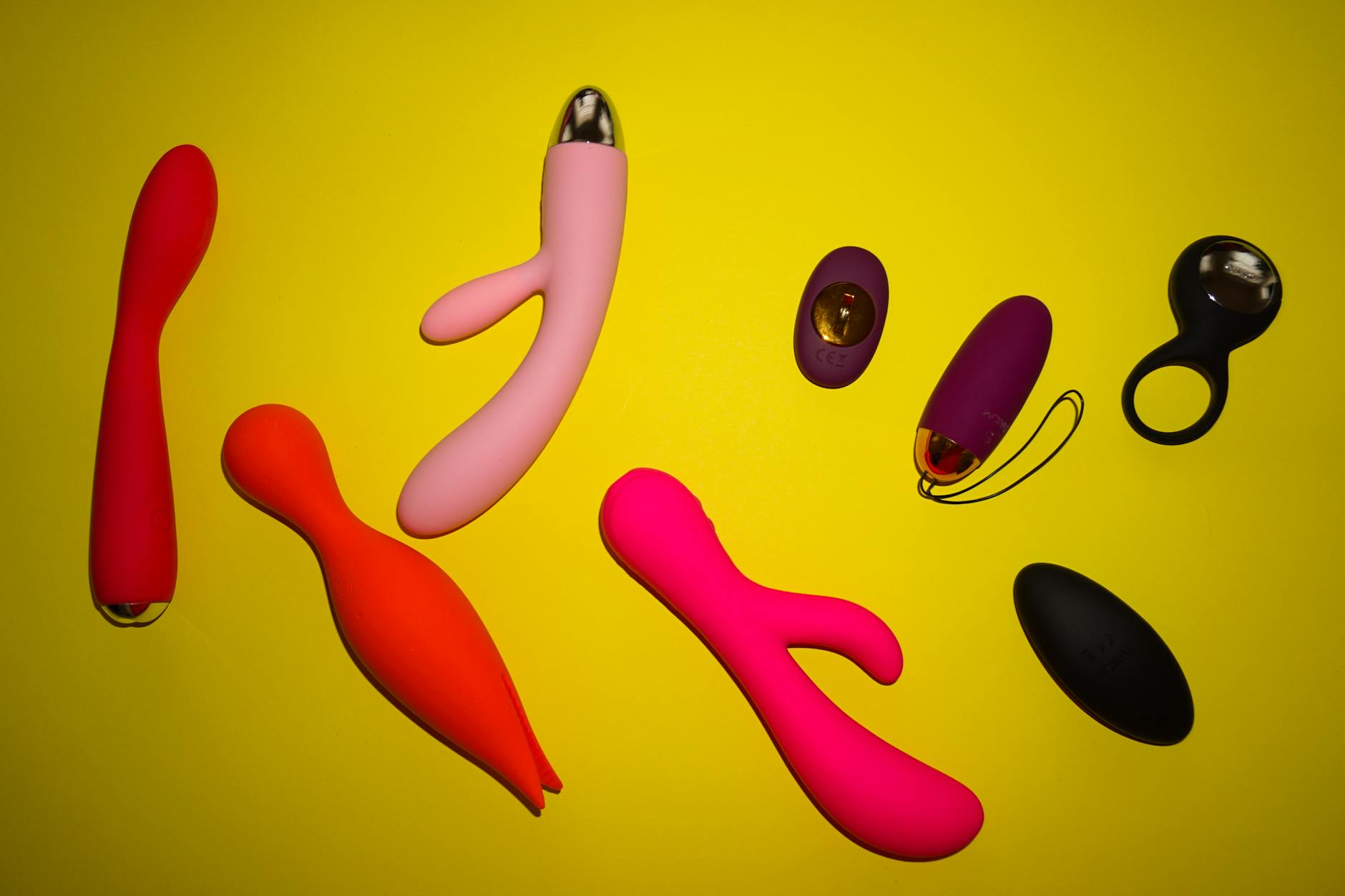
Using a lemon clitoral vibrator alone does something specific. It's an act of self-directed pleasure. It's you, your body, your pace. No performance. No checking in with someone else's response. No reading a partner's face for signs they might betray that trust again.
 Photo by cottonbro studio on Pexels
That autonomy is healing. And it matters.
The neuroscience of safety and arousal
Your brain has two competing systems. One detects threat. One allows pleasure. After infidelity, the threat system is running hot. Your amygdala is primed. The moment your partner touches you, that system activates, even if you consciously want to be intimate.
When you experience pleasure alone first, something shifts. You're teaching your nervous system that your body can feel good without the threat system activated. You're building a baseline of safety around physical sensation.
Clitoral vibrators like those from Lemon Intimate Toy work particularly well for this because they're consistent and predictable. There's no surprise, no sudden pressure, no reading between the lines. The sensation is exactly what you expect it to be. That predictability matters when you're rebuilding trust.
Building the bridge back to partnered intimacy
Once you've spent time reconnecting with solo pleasure, partnered touch becomes different. You're not bringing as much desperation to it. You're not trying to prove something or check whether intimacy is still possible. You already know it is.
Many couples find that when they introduce lemon vibrators into partnered sex after infidelity, it actually creates a new pathway. The vibrator becomes a shared focus, something external that you're both engaging with rather than just each other. It lowers the emotional temperature while you're rebuilding touch.
That might sound like you're avoiding the deeper work. You're not. You're creating the conditions where the deeper work can happen. Your nervous system is getting evidence that touch can feel good again.
The conversation that has to happen first
Honestly, using a vibrator after infidelity isn't just a physical thing. It requires a conversation with your partner about what you're doing and why.
Something like: "I want to rebuild physical intimacy with you. But my body needs to feel safe again first. I'm going to spend some time reconnecting with my own pleasure independently. That's not about you. It's about me rebuilding trust in my own body."
The right partner hears that and understands it as exactly what it is: the work of healing. Not rejection. Not withdrawal. Active rebuilding.
If your partner responds defensively or makes your solo pleasure about them, that's information too. It might mean you need more time in therapy before you're ready to rebuild. And that's okay.
When to bring the vibrator into partner sex
You don't need a timeline. Your body will tell you when it's ready. But practically speaking, after you've spent a few weeks or months using a lemon clitoral vibrator solo and feeling genuinely good about it, introducing it with a partner can happen naturally.
It might start with them watching. It might start with them holding it while you guide the pace. It might just be them being present while you use it, no touching involved yet. The pace matters less than the intentionality.
What matters is that you're moving toward intimacy together, not just pushing through it.
The role of consistency in rebuilding trust
One thing I emphasize with couples rebuilding after infidelity: consistency is actually more important than intensity. A clitoral vibrator allows for consistent sensation in a way that fingers or other methods don't. You can develop a ritual around solo pleasure with a lemon vibrator. You know what to expect. You know the patterns.
That consistency extends to partnered use too. If you start incorporating a vibrator into sex together, that becomes a known element. There's less unpredictability. Less room for old trauma to spike.
Over months, as consistency builds, the threat response naturally decreases. Your body learns: this is safe. This is trustworthy. This can feel good.
When professional support is necessary
Let me be clear: a vibrator is not therapy. If infidelity has left you unable to feel arousal at all, or if you're having intrusive thoughts during any kind of intimacy, you need a trauma-informed therapist. A sex therapist specifically trained in post-infidelity recovery can help you navigate the specific neurobiology of betrayal trauma.
A vibrator is a tool that works best alongside that professional support, not instead of it.
But paired with therapy and real commitment from both partners, it can be a surprisingly powerful tool for reclaiming your body as your own.
The deeper healing that happens
Here's what I've seen: using a lemon vibrator during the rebuilding phase after infidelity isn't just about getting back to where you were. It's actually an opportunity to build something different.
Most couples who successfully rebuild after infidelity report that their sex life becomes more intentional afterward. More vulnerable. More communicative. They stop taking pleasure for granted.
Using a vibrator forces that conversation. It requires you to say what feels good. It requires your partner to show up and listen. It requires you both to be present in a way that maybe you weren't before.
That's not an accident. That's actually how healing works.
FAQ
Can using a vibrator solo actually help rebuild a relationship after infidelity?
Yes, because infidelity damages your nervous system's sense of safety around touch. When you rebuild pleasure independently first, you're teaching your body that sensation can feel good without the threat system activated. That becomes the foundation for rebuilding partnered intimacy.
What if my partner gets jealous or insecure about me using a lemon clitoral vibrator alone?
That's a sign you may need more couples therapy before moving forward physically. A partner who can't support your healing process is showing you something important about their readiness to rebuild trust. A good therapist can help navigate this directly.
How long should I use a vibrator solo before trying partnered sex again?
There's no fixed timeline. Some people need a few weeks. Others need several months. You'll know when your body feels genuinely excited about touch again, not just willing to try. That's the signal.
Is it normal to not feel arousal at all after infidelity?
Completely normal. Betrayal trauma can suppress arousal as a survival mechanism. If this is persistent, work with a trauma-informed sex therapist. A vibrator won't fix this alone, but it can be part of a broader healing protocol.
Can lemon vibrators help if my partner was the one using a toy during the infidelity?
Yes, actually. Because you're reclaiming the vibrator as a tool for your own pleasure and autonomy, not as the object that carries the betrayal. Over time, the vibrator becomes a symbol of what you're rebuilding, not what was broken.
What's the difference between using a lemon vibrator solo versus partnered after infidelity?
Solo use is about reestablishing your nervous system's sense of safety. Partnered use is about co-regulation and rebuilding vulnerability together. Solo comes first. Partnered comes when your body is ready to risk that kind of closeness again.
Rebuilding isn't linear
Healing after infidelity is messy. You'll have good weeks where everything feels possible, and harder weeks where the betrayal feels fresh again. A lemon vibrator is one tool in a much larger toolkit.
But it's a tool that works because it centers your pleasure, your body, your autonomy. That's actually the foundation all healing has to be built on. Not forgiveness that asks you to shrink. Not reconciliation that costs you access to your own body.
Healing that gives you back yourself first.