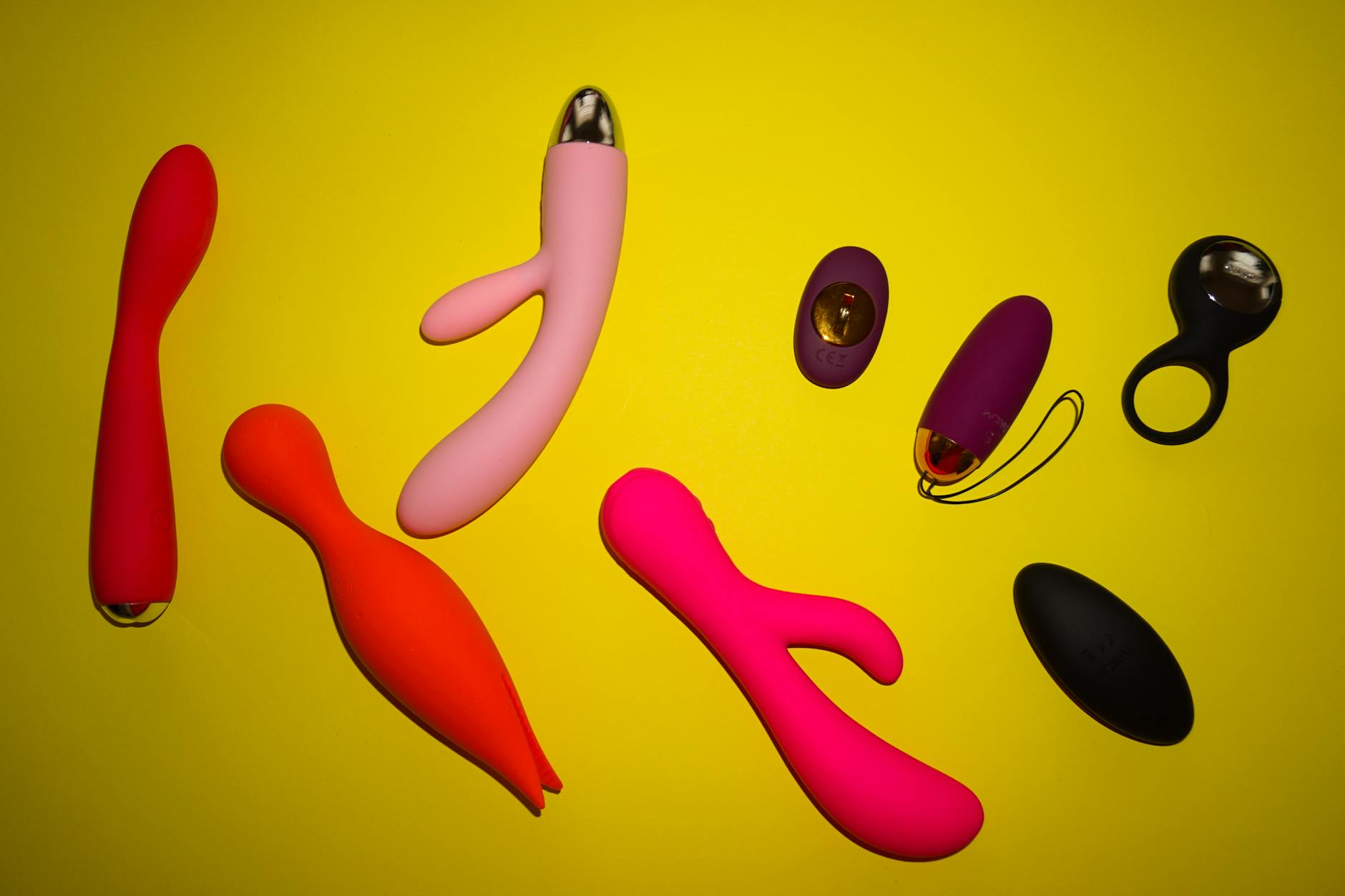
The timeline mismatch that kills connection
Let's be real. One of you is ready in five minutes. The other needs fifteen or twenty. And over time, that gap doesn't just feel frustrating. It starts to feel like rejection.
The faster partner thinks: "They don't want me as much." The slower partner thinks: "There's pressure, and it kills the mood." Neither of those thoughts is true, but they're both real enough to damage intimacy over time. After a while, you stop trying.
Why this mismatch happens (and it's not about desire)
Arousal speed is almost entirely physiological. It's not a measure of how much you love your partner or how much you want them. It's just how your nervous system is wired.
Men with penises typically reach peak arousal in about 2-5 minutes. People with vulvas average 10-20 minutes to full arousal. There are outliers in both directions, but that gap shows up in study after study. Add stress, medication, hormones, or just how your body's been since adolescence, and the gap can widen even more.
The couples I work with often assume the mismatch means something is broken. Usually the opposite is true. Both partners are functioning perfectly normally. The problem isn't the individual. The problem is the assumption that synchronized arousal is the only way sex works.
Why "just relax" doesn't work (and why your partner saying it makes things worse)
Telling someone to relax when they're not aroused yet is like telling someone with insomnia to "just fall asleep." The instruction creates the opposite of the intended effect. Pressure kills arousal. Full stop.
When the faster partner gets frustrated or starts signaling impatience (even nonverbally), the slower partner's nervous system reads it as a threat. Arousal drops. Resentment rises. The next time, the slower partner braces for the same experience and arrives even less aroused.
I've worked with couples who've been in this loop for years. By the time they get to me, sex feels like a performance where one person is always failing.
Where lemon vibrators actually solve this
Here's what changes when you introduce a clitoral vibrator like the Lemon into partnered play. The faster partner gets to be stimulated and present while waiting. The slower partner gets the mental space to build arousal without pressure.
Let me be specific about what that looks like:
The faster partner isn't lying there bored, watching the clock, wondering if they're attractive. They're being touched, being stimulated, feeling desired. Meanwhile, the slower partner can focus on their own sensation without the weight of "I'm taking too long." There's no race. There's no timeline to beat.
When both people are receiving pleasure simultaneously, the emotional tone of sex shifts entirely. It stops being "waiting for them to be ready" and becomes "we're both being taken care of."
Lemon clitoral vibrators are especially effective for this because suction stimulation feels different from manual touch. It's precise. It doesn't require constant adjustment. A partner can use one while also being present, making eye contact, kissing, or touching elsewhere. The vibrator isn't a replacement for them. It's a tool that lets them stay engaged.
The conversation you need to have first
Before you introduce any toy, you need to say the thing neither of you has probably said directly.
The faster partner needs to hear: "Your arousal matters. Your pleasure isn't less important because it comes faster."
The slower partner needs to hear: "I want you. My timeline has nothing to do with how much I want you. We're solving this together."
Without that conversation, a vibrator just becomes another thing in the room that feels like evidence of the problem.
With that conversation, a vibrator becomes a permission slip. Permission to stop performing arousal and start actually feeling it.
How to actually use them together
Start with a lemon clitoral vibrator on the slower partner while the faster partner is inside or doing whatever feels natural for you both. Pattern 1 or 2, usually. The goal isn't intensity. It's consistency and permission.
The faster partner can hold the vibrator, control the pattern, watch their partner's face. That control and attention is part of what makes it work. It's not robotic. It's intimate.
Orientations and configurations vary wildly, and that's fine. Some couples find it works better during foreplay before penetration happens. Others integrate it throughout. Some save it for solo sessions where there's zero pressure. Find what stops the rush and lets both people actually feel good.
What actually happens after three months of this
Here's what I've seen in my practice. Couples report that the pressure lifts. Sex stops being a performance. The faster partner stops feeling impatient (because they're being stimulated). The slower partner stops feeling broken (because their arousal speed is no longer the problem).
And then something interesting happens. When the pressure is gone, arousal often starts to synchronize naturally. Not always completely, but enough. The slower partner isn't bracing anymore, so they arrive to sex a little more open. The faster partner isn't frustrated, so they're actually present instead of clock-watching.
But here's the thing. Even if it doesn't synchronize, it stops mattering as much. Because you've reframed what sex is. It's not a synchronization challenge. It's two people prioritizing each other's pleasure.
When timeline mismatch is actually about something else
Sometimes the arousal gap isn't just physiology. Sometimes it's pointing at a deeper issue.
If one partner is consistently depressed or checked out, no vibrator will fix that. If there's resentment or infidelity, adding a toy is performance. If one person doesn't feel safe with the other, arousal won't follow.
But if both partners genuinely want each other and the gap is just a gap, lemon vibrators change the game. They give you a tool that says: "I see the difference in our timelines. And instead of letting that damage us, we're going to work with it."
That's not a small thing.
The psychological shift that actually matters
What I notice most in couples who move past this is a shift in how they talk about sex. It stops being "When will you be ready?" and becomes "What do you need?" It stops being about synchronization and becomes about presence.
When you're willing to prioritize your partner's pleasure while also taking care of yourself, you're doing something profound. You're saying: "I want you to feel good. Not eventually. Now." That's the opposite of the impatience that killed connection in the first place.
Lemon clitoral vibrators are just tools. But the right tools, used with the right conversation, let couples stop fighting their own nervous systems and start actually supporting each other.
People also ask
Can using a vibrator during partnered sex make my partner feel replaced?
Only if you frame it that way, or if the conversation doesn't happen first. When a vibrator is introduced as a solution to a problem ("I want us both to feel good"), it usually reads as care. When it appears without explanation or context, it can feel like rejection. Have the conversation. Use the tool. Watch what shifts.
How do I bring this up if my partner will think I'm saying they're not enough?
Frame it around the timeline, not around them. "I've noticed we have different arousal speeds. That's normal and it's not about how much I want you. I want to try something that lets us both feel good instead of one of us waiting." Make it about solving together, not fixing them.
What if my partner thinks vibrators are emasculating or unfeminine?
That belief usually comes from a misunderstanding about what a vibrator is for. It's not a replacement. It's an amplifier. A partner using a lemon clitoral vibrator on their partner isn't failing. They're enhancing. You might need to have that conversation, but it's worth having.
Do we both need to want to use a vibrator for this to work?
Yes. Full stop. If one person is uncomfortable or resistant, introducing a tool just adds resentment. But "uncomfortable" is different from "not interested yet." Sometimes discomfort shifts when a person understands what it actually does and why it matters. Sometimes it doesn't. That's okay too.
How often should we use it if we're trying to rebuild connection?
Start with once a week or every other time you have sex. The goal isn't frequency. It's consistency enough that both partners start to feel the difference in pressure. After a few months, many couples find they use it less because the dynamic has shifted. The anxiety is gone.
What if we try this and it still doesn't help the timeline mismatch?
Then the gap isn't just about arousal speed. There might be deeper relationship work to do, or one partner might need to talk to a doctor about arousal if it's new. But in most cases where both partners are willing, a simple tool and an honest conversation changes everything.
The real thing this solves
Timeline mismatch doesn't kill couples because one person is fast and one is slow. It kills couples because the difference gets interpreted as rejection, and then both people stop trying. A lemon clitoral vibrator doesn't speed anyone up or slow anyone down. It just removes the stakes from the difference so you can both actually enjoy sex.
That's worth trying.