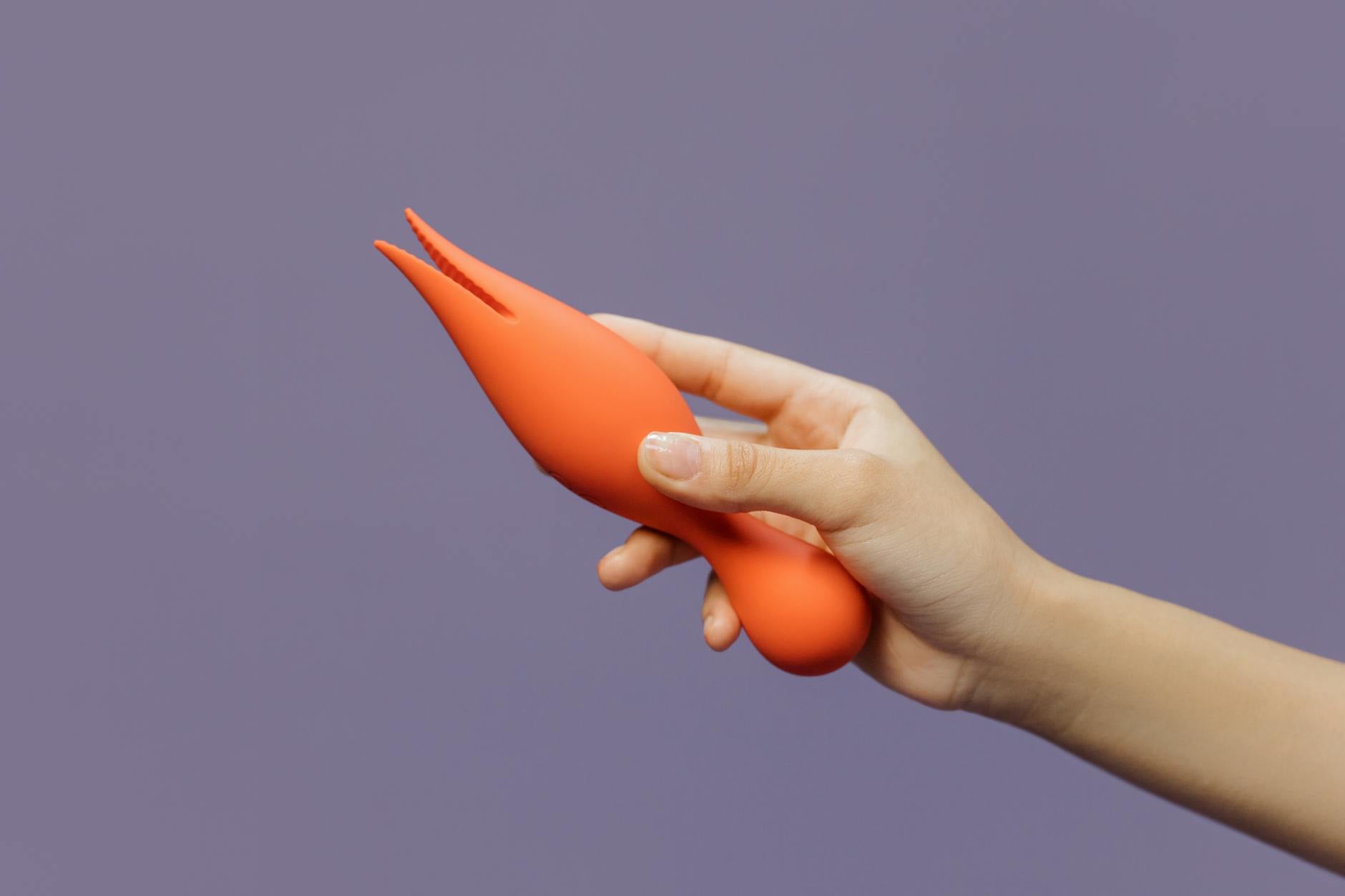
Here's what nobody tells you about dryness
Vaginal dryness doesn't mean your body is broken. It means your body is responding differently to stimulation, and that requires a different approach. Most advice swings between "use more lube" and "it's all in your head," when the real answer is more nuanced and, honestly, more empowering.
Dryness changes the physical sensation of touch. It doesn't erase the nerve pathways, the clitoral sensitivity, or your ability to orgasm. What it does is shift the kind of stimulation that works best.
Why dryness happens (and when it matters)
Vaginal dryness can show up for loads of reasons. Hormonal shifts (perimenopause, menopause, certain medications), stress, dehydration, or life transitions all trigger it. Sometimes it's temporary. Sometimes it sticks around. Either way, the tissue becomes thinner and produces less natural lubrication, which changes how friction feels against the vulva and vaginal opening.
The thing is, most of that sensation lives in the external tissue and the clitoris, not deep inside. So when dryness happens, your external pleasure apparatus is still fully functional. It just needs input that works with your current reality, not against it.
Why suction-based lemon vibrators work differently
Traditional vibration relies on friction and direct pressure. If your tissues are dry or thin, friction can feel sharp, raw, or even painful. Suction works on a completely different principle. Instead of rubbing, it creates a gentle vacuum that pulls the tissue and stimulates the nerve endings without the scraping sensation of mechanical vibration.
This is why many people who experience dryness report that lemon clitoral vibrators feel immediately more comfortable than what they've used before. The suction doesn't require lubrication to feel good. Your own body's moisture is often enough. It's also why the sensation builds differently. Suction creates a broader, more diffuse stimulation across the entire clitoral area, rather than a pinpoint buzz.
If you've only tried traditional vibration, the shift to a lemon sucker can feel revelatory. You're not starting over. You're adjusting your technique to match your body's current state.
Building arousal when dryness slows you down
One of the frustrating side effects of dryness is that arousal takes longer to kick in. Your body might need 20 to 30 minutes to build what used to happen in 10. That's not failure. That's just the new timeline.
Here's what actually helps: patience, and a different pacing strategy. Start with 5 to 10 minutes of very low-intensity stimulation on a lemon vibrator. The idea isn't to rush to orgasm. It's to give your body time to wake up. As blood flow increases and arousal builds, sensation naturally intensifies. Then you can move to higher patterns if you want to.
Many people find that they need 15 to 25 minutes of warm-up before they're genuinely ready for direct clitoral stimulation. That sounds long until you reframe it as foreplay time. With a partner, that's a real conversation. Solo, that's permission to slow down and actually enjoy the journey instead of chasing the finish line.
Lubrication still matters, even with suction
Don't skip the lube just because suction doesn't technically require it. A water-based lubricant makes everything feel better, reduces any slight irritation, and signals to your nervous system that this is a pleasure activity, not a medical procedure.
Use a small amount around the external area before you start. You're not trying to recreate natural lubrication. You're creating a comfortable surface for stimulation. Many people find that once arousal kicks in and blood flow increases, the body produces its own moisture. The initial lube is just the bridge to get there.
One more thing: if dryness is severe or painful, topical estrogen creams designed for vulvovaginal health can genuinely transform the experience in a few weeks. Talk to a gynecologist or menopause specialist. It's not a shortcut around pleasure work. It's removing a legitimate physical barrier so pleasure work is actually possible.
What changes about orgasm when dryness is present
Some people report that orgasms feel different when tissue changes. They might be less intense, more localized, or take longer to reach. That's not permanent. That's just what's true right now. And honestly, it can also be an opportunity to discover new pathways to pleasure.
Without the pressure of chasing the same orgasm you used to have, you can explore what actually feels good now. For lots of people, that means discovering that clitoral orgasms feel stronger than they did before. Or that combining external suction with internal touch creates something entirely different. Or that slowing way down actually intensifies sensation in ways fast vibration never did.
The narrative that dryness equals diminished pleasure is lazy. What's actually true is that dryness equals different pleasure, which requires paying attention to what your body is telling you right now.
The emotional piece nobody mentions
Dryness often arrives with a story. The story is usually "my body is failing" or "this is the beginning of the end." Neither is true, but the story sticks around because nobody gives you a different one.
Here's the actual story: your body is changing. Your relationship with pleasure gets to change too. Some of the best, most intentional, most connected sexual experiences happen when you slow down and rebuild from a place of curiosity instead of habit.
If you're with a partner, naming the change matters. "My body is responding differently to stimulation" is a statement about your body, not about desire or attraction. It opens space for exploration instead of awkwardness. It also means your partner isn't guessing or taking it personally.
Rebuild pleasure by rebuilding the conversation first.
When to see someone
If dryness is accompanied by pain that doesn't improve with lubrication or gentler stimulation, check in with a gynecologist. Vaginal atrophy and genitourinary syndrome of menopause are real, treatable conditions. A good provider can confirm what's happening and discuss options, from topical treatments to systemic hormone therapy.
If desire has disappeared entirely alongside dryness, that's worth exploring too. Sometimes low libido and dryness are connected. Sometimes they're separate conversations. A therapist or sex educator can help you untangle them.
Lemon clitoral vibrators are a tool. The right tool matters when your body is asking for something different. But tools work best alongside patience, communication, and the willingness to discover what pleasure looks like now instead of mourning what it looked like before.
FAQ: Vaginal Dryness and Pleasure
Can you use a lemon suction vibrator if you have vaginal dryness?
Yes. In fact, many people find that suction-based stimulation from lemon vibrators works better than traditional vibration when dryness is present because it doesn't rely on friction. Start with a small amount of water-based lubricant and begin on lower intensity patterns while your body warms up. The goal is to give arousal time to build naturally.
Does dryness mean you can't have an orgasm?
No. Dryness changes the timeline and sometimes the sensation of orgasm, but it doesn't erase your capacity for one. You might need longer arousal time, gentler initial stimulation, and a different kind of input than what worked before. Many people discover they're capable of more intense or varied orgasms once they adjust their technique to work with dryness instead of against it.
How long does it take to rebuild pleasure after dryness starts?
It depends on the cause. If dryness is temporary (stress, dehydration, medication side effects), pleasure patterns can shift back within weeks once the trigger is addressed. If it's hormonal, rebuilding usually takes 4 to 8 weeks of consistent, intentional exploration as your body adjusts to new stimulation patterns. The key is consistency, not forcing it.
Should you use lubricant with lemon vibrators even though they're suction-based?
Yes. While suction doesn't technically require lubrication, using a small amount of water-based lube makes the experience more comfortable, reduces irritation risk, and helps your nervous system register this as pleasure rather than a clinical procedure. You're not trying to replace natural lubrication. You're creating a supportive surface for stimulation.
Can dryness get better without treatment or hormone therapy?
Sometimes. If dryness is tied to stress, sleep deprivation, or dehydration, addressing those factors can help significantly. Pelvic floor physical therapy, consistent arousal practice, and better communication with a partner all improve sensation over time. But if dryness is hormonal and severe, topical or systemic treatments designed for vaginal health genuinely work and are worth discussing with a provider.
What's the difference between feeling dry and having a dryness condition that needs treatment?
Normal dryness is occasional and improves with arousal time and lubrication. It doesn't cause pain or lasting irritation. A condition like genitourinary syndrome of menopause involves persistent thinning of tissue, ongoing discomfort even with lubrication, and sometimes pain during penetration. If your dryness comes with pain, persistent irritation, or doesn't improve with lubrication and extended arousal time, see a gynecologist. Lots of these conditions are treatable in weeks.
Final word
Dryness is a change, not a diagnosis. It's your body asking you to pay attention to what it needs right now. That might be more time, different stimulation, better lubrication, or professional support. It might be all of those things at different moments.
Lemon vibrators, especially the suction-based designs, work because they're designed for bodies that need gentler input. You're not starting from zero. You're adjusting your approach to match reality. And in that adjustment, plenty of people discover that pleasure actually gets more intentional, more connected, and honestly, more satisfying than it was before.