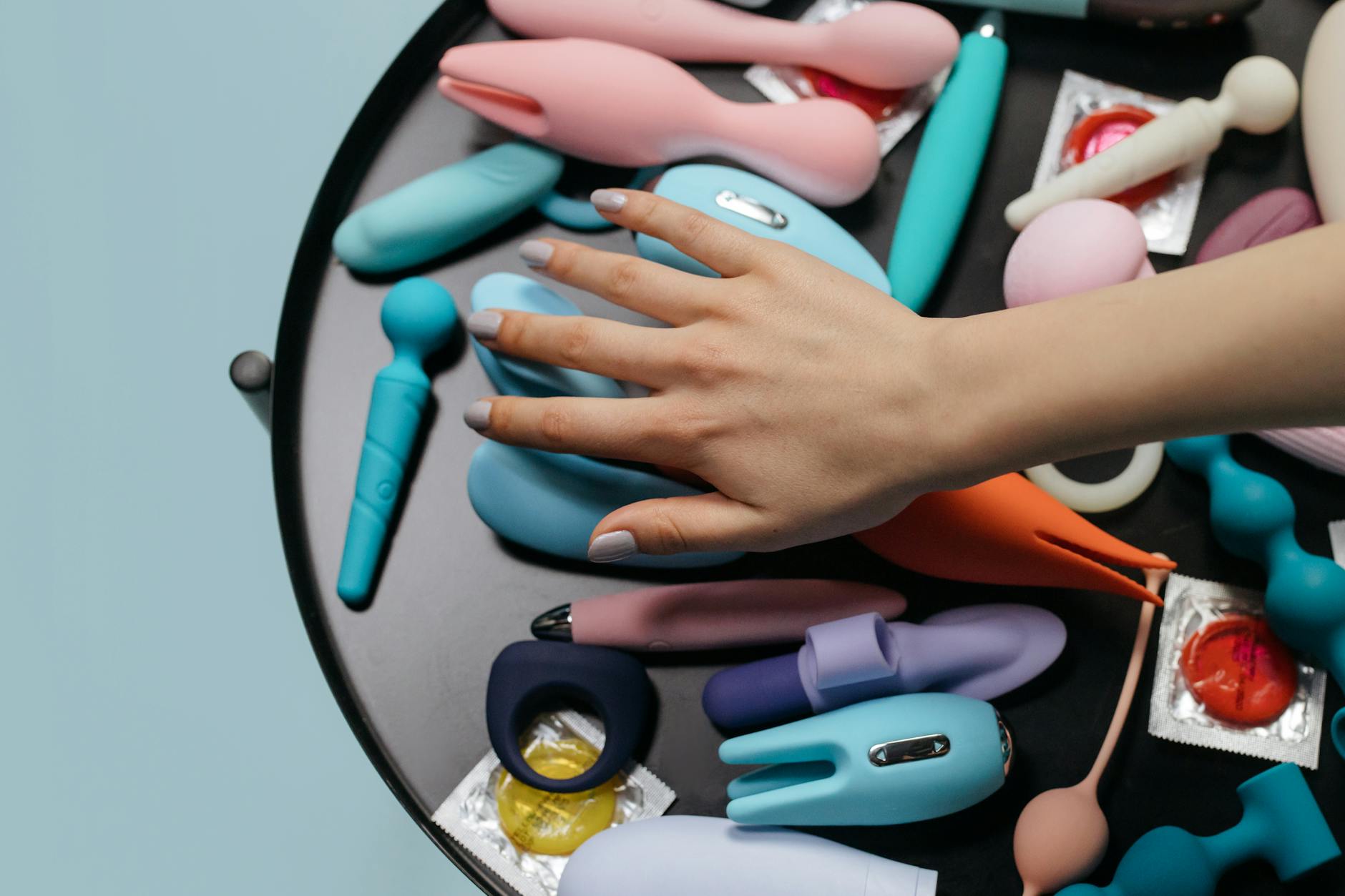
Here's what nobody tells you about arousal slowdown
Your body isn't broken. It's responding exactly as it should to a change in hormones. The shift is real, and it's wildly common. Women report that arousal takes 15-20 minutes longer after hormonal shifts from birth control changes, perimenopause, or post-pregnancy recovery. That's not a flaw in your desire. That's a timing issue.
And timing issues have solutions.
The catch is that traditional vibrators often make the problem worse, not better. They work best when blood flow is already present and tissues are primed. When arousal is slow to build, mechanical friction can feel frustrating instead of exciting. This is where lemon clitoral vibrators change the game.
Why hormonal changes slow arousal in the first place
Estrogen and testosterone work together to prime the clitoris for sensation. When hormones fluctuate, blood flow to genital tissue decreases slightly, lubrication takes longer to arrive, and the clitoris itself becomes less engorged and responsive. Your nervous system isn't damaged. The neurological pathways for pleasure are intact. What changed is the speed at which your body mobilizes.
Think of it like this: a traditional vibrator needs the engine already running. It amplifies stimulation that's already present. A suction-based device like the Lemon works differently. It creates a pressure pulse that initiates arousal from the ground up, rather than assuming arousal is already underway.
When you're starting from zero or near-zero clitoral engorgement, that distinction matters enormously.
The suction approach works with slow arousal, not against it
The Lemon Intimate Toy uses gentle suction combined with pulsing stimulation. Here's why that's a game-changer for delayed arousal:
Traditional vibrators create friction. They need tissues that are already somewhat engorged and lubricated to feel good. If you're 5 minutes into foreplay instead of 15, the friction can feel too intense, uncomfortable, or frankly, irritating.
Suction works differently. It draws blood to the clitoris actively, priming arousal rather than requiring it to already be present. You can start at the lowest setting on a lemon clitoral vibrator and build gradually. Each pulse actually helps bring engorgement about, rather than relying on it. Many people find that starting with suction 10-15 minutes into a session, when arousal is just beginning, creates a compounding effect. The stimulation brings blood flow, the blood flow increases sensitivity, the increased sensitivity deepens arousal.
It's a forward momentum rather than a holding pattern.
Pacing yourself differently when arousal takes time
This is the part that changes how sex actually feels. When you know arousal is going to take 20 minutes instead of 10, the pressure to "hurry up and get ready" evaporates. That pressure alone suppresses arousal. Anxiety is one of the biggest blockers of blood flow. When you accept that your timeline is longer now, and you have a tool designed for that timeline, the entire dynamic shifts.
Here's how to structure a solo session when arousal takes longer:
Start with 5-10 minutes of anything that feels good but isn't goal-oriented. This might be partner touch, mental arousal (reading, fantasizing), or just being in your body without stimulation. Then introduce the Lemon at a low setting. Suction works best when you're already slightly aroused, so don't expect instant results at 2 minutes. You're looking for results by 5-7 minutes of use.
Once engorgement begins (you'll feel it as fullness, sensitivity shift, or warmth), you can move to higher intensities if you want. Many people find that they actually orgasm faster once arousal is built through suction, because the pathway is established.
Partner dynamics shift when arousal timing changes
This is worth its own conversation. If you're partnered and your arousal suddenly needs more time, your partner needs to understand that this isn't about them. The shame spiral that often happens here kills more arousal than the hormonal change ever did.
Introducing a lemon clitoral vibrator into partnered sex changes the conversation from "Why aren't you ready yet?" to "How can we both enjoy your actual timeline?" You might use the Lemon while your partner is engaged in foreplay. You might use it alone for 10 minutes before partnered sex begins. You might use it during sex for additional stimulation when penetration alone isn't triggering the response you need.
The device becomes a tool that honors your body's actual pace, rather than something that covers up a "problem." That distinction is massive for long-term desire and satisfaction.
What slow arousal is and isn't
Slow arousal is not low desire. You can want sex intensely and still need 25 minutes for your body to physically respond. Confusing these two things is what causes people to believe they've lost their sexuality when actually they've just entered a different phase that needs different conditions.
Slow arousal after hormonal shifts is also not permanent. Many people find that after 6-12 months of accommodating their new timeline, arousal begins to stabilize and speed up slightly. The body adapts. But that adaptation happens faster when you're not fighting your timeline or layering anxiety on top of the physiological change.
Using a device like the Lemon during this transition phase means you're not waiting around feeling broken. You're actively working with your body's actual rhythm. That makes the waiting feel purposeful instead of deflating.
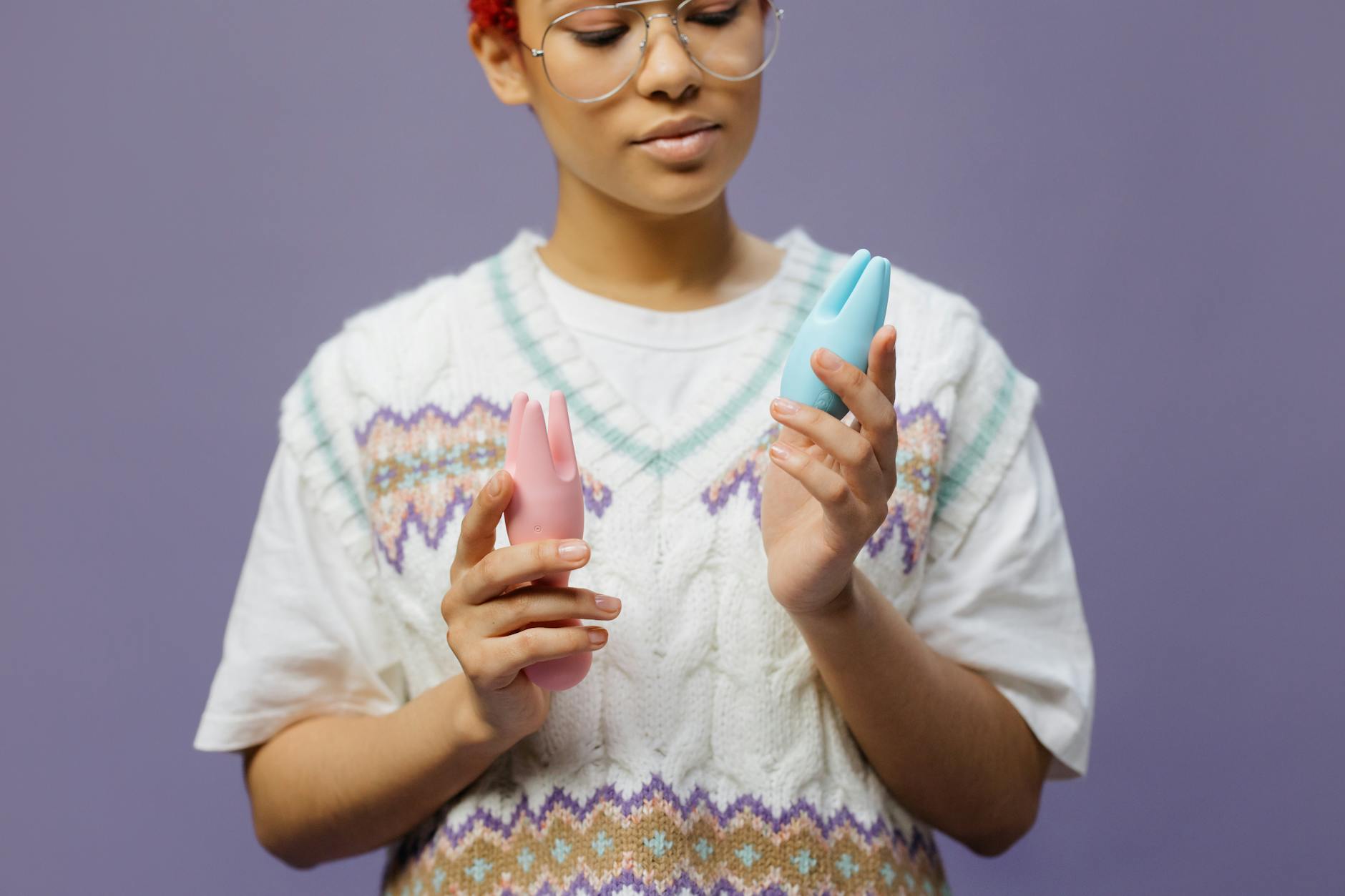
Photo by cottonbro studio on Pexels
Why pattern intensity matters when arousal is slow
Most quality lemon vibrators offer multiple patterns or intensity levels. When arousal is delayed, this becomes crucial. Starting at pattern 1 or intensity 1 when engorgement is still building prevents overstimulation and gives you room to escalate as sensation increases.
A lot of people make the mistake of starting at higher intensities to "get things moving." That often backfires because you're introducing high stimulation to tissues that aren't yet prepared for it. Instead, start low and let the stimulation itself help bring arousal about.
This is one of the reasons air-suction devices outperform traditional vibrators for slow-build arousal. The suction mechanism is gentler at low settings while still being effective. A traditional vibrator at intensity 1 sometimes feels weak or underwhelming. A Lemon suction device at pattern 1 feels grounded and purposeful.
Lubrication matters more when arousal is slow
When blood flow to genital tissues is slower, natural lubrication arrives later too. This doesn't mean you're dry or that something is wrong. It means you might need external lube earlier in your session than you used to.
Water-based lubricant (essential if you're using silicone toys like the Lemon) should be part of your setup when arousal is taking longer. Apply it before you start. This removes friction and allows the suction to work without any mechanical resistance. Many people find that adding lube changes the entire sensation from "trying to force something" to "gliding into pleasure."
The lube also warms as you use the device, which compounds the arousal-building effect.
Timeline expectations matter for satisfaction
One of the simplest shifts that helps with slow arousal is just knowing what to expect. If you expect arousal to take 20 minutes now, then 20 minutes feels normal, not frustrating. If you expect 5 minutes and it takes 20, you spend 15 minutes feeling broken.
When you introduce a tool designed for longer arousal timelines, like a lemon clitoral vibrator, you're signaling to your nervous system that this pace is expected and supported. That signal alone reduces anxiety, which actually helps arousal move along.
Common questions about slow arousal and clitoral vibrators
Does slow arousal mean I'm less interested in sex?
No. Desire and arousal timing are separate systems. You can want sex urgently and still need your body 20 minutes to physically respond. Conflating these two is one of the biggest ways people pathologize a normal shift.
Should I be worried if arousal is slower after hormonal changes?
Not if it stabilized and isn't painful. Arousal timeline shifts are extremely common after birth control changes, perimenopause, breastfeeding, and postpartum recovery. If slowness is accompanied by pain, numbness, or total absence of arousal after 3+ months, check in with a gynaecologist. Otherwise, it's a timeline adjustment, not a problem.
Can a lemon clitoral vibrator fix this on its own?
It's a tool that works with your body, not a fix. The real solution is understanding your new timeline, removing shame around it, and using devices and techniques that match it. The Lemon helps with that, but the acceptance piece matters equally.
How long should I use a lemon vibrator before I notice a difference?
Most people notice within 2-3 sessions. The first session is often exploratory. By the second or third, you'll have a sense of how your body responds to suction and what patterns feel best during your arousal ramp-up.
Do I need to use it every time I have sex?
No. Many people use it during solo play to warm up, then transition to partnered sex. Others use it occasionally. Some people find that after a few weeks of using it regularly, their arousal timeline naturally starts to speed up slightly. The device is there when you need it.
What if my partner feels threatened by a vibrator?
This is worth addressing separately from the arousal issue. A clitoral vibrator isn't a replacement for a partner. It's a tool that helps you access pleasure that hormonal changes might have made harder to reach. Reframing this conversation away from "you're not enough" and toward "my body needs different conditions now" often helps partners understand.
The bigger picture
Hormonal changes that slow arousal are temporary, manageable, and absolutely survivable with the right information and tools. A lemon clitoral vibrator designed for slower arousal timelines meets your body where it actually is, rather than expecting it to perform on an old schedule. That's not settling. That's respecting yourself.
If you're navigating this shift and want to talk through how it's affecting your relationship or sexual satisfaction, consider reaching out. That's exactly the kind of transition I work with.