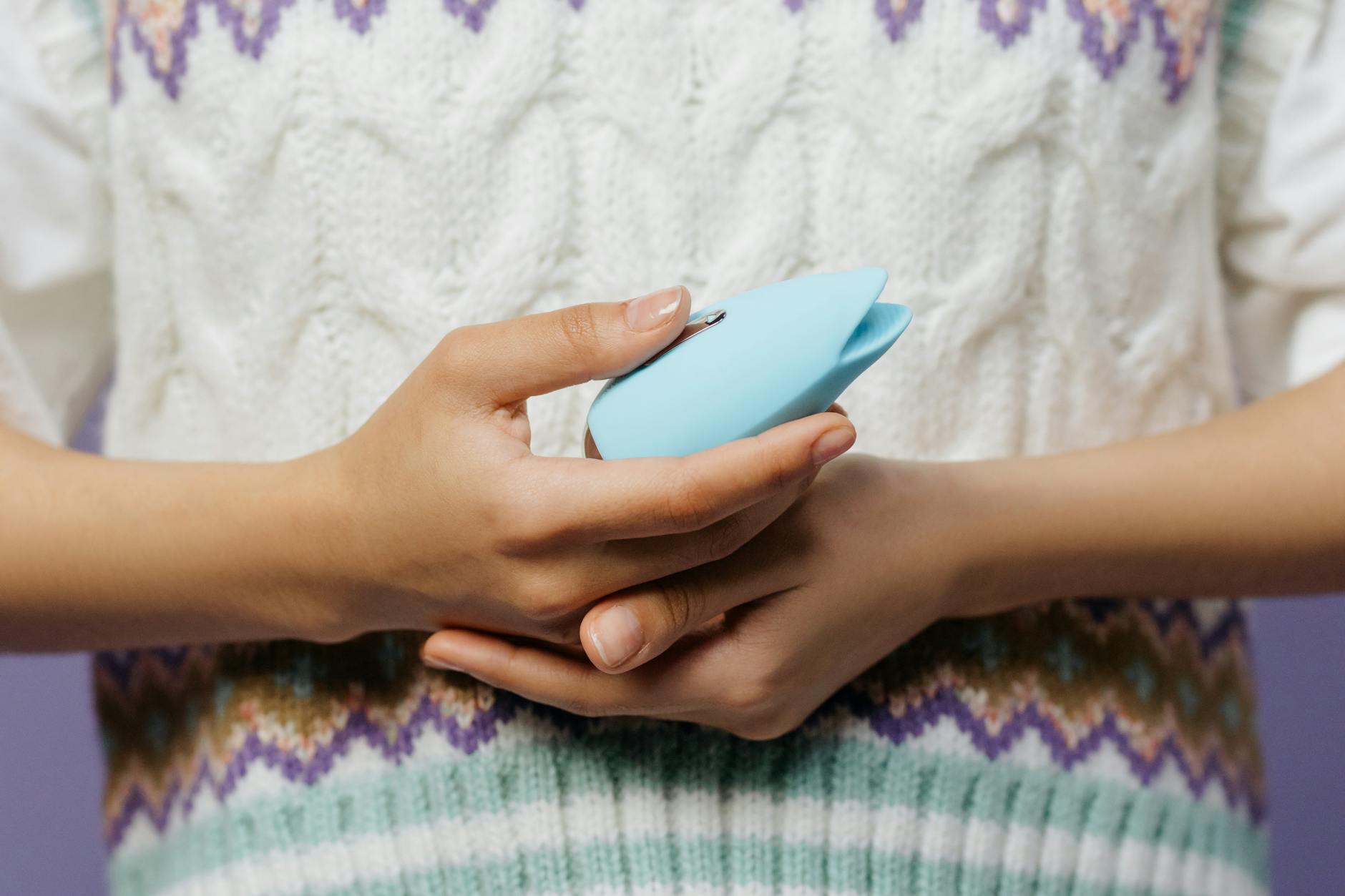
Let's talk about vibrator numbness.
You've been using a vibrator regularly. It felt incredible at first. Now? Nothing. Or something close to nothing. You're getting bored, frustrated, turning up the intensity, and still not feeling much. The worst part isn't the lost sensation. It's the panic that you've broken something permanently.
You haven't.
Vibrator desensitization is real, common, and completely reversible. But understanding it matters because the fix isn't what most people think it is.
What actually happens to your clitoral nerves
Your clitoris has about 8,000 nerve endings packed into a tiny space. When you use a vibrator regularly at high intensity, those nerves adapt. It's called habituation. Your nervous system is essentially saying, "Okay, I've mapped this stimulus. I don't need to respond as intensely anymore."
This is the same mechanism that happens when you wear a watch. You feel it for five minutes, then forget it's there. Your nerves aren't broken. They're efficient.
But here's the thing: those nerves are also sensitive to the type of stimulation. High-frequency vibration (like a traditional bullet vibrator or wand) creates strong habituation faster than gentler, lower-frequency stimulation (like suction). If you've been using intense vibration daily, your clitoral nerves have basically learned to tune out that specific sensation.
Most people's response? Turn it up higher. Which makes the problem worse, not better. Higher intensity accelerates desensitization and can create a feedback loop where you need more and more to feel anything at all.
Why Lemon vibrators specifically help break the cycle
Lemon's suction technology works differently than vibration. It creates rhythmic pulsing and gentle pressure rather than buzz. This engages your clitoral nerves through a separate neural pathway than traditional vibrators do.
When you switch from high-frequency buzz to suction stimulation, you're giving your habituated nerves a break from the specific stimulus they've adapted to. At the same time, you're still providing pleasure, so you're not white-knuckling through weeks of zero sensation waiting for things to "reset."
Many of my clients report that switching to a Lemon clitoral vibrator actually rebuilds sensation faster than taking a complete break from all vibrators. The reason is simple: you're stimulating the same tissue, but through a different mechanism. Your nerves get a refresh without losing the win of orgasm entirely.
The hierarchy of stimulation intensity
If you're numb right now, here's how I structure recovery:
Phase 1: Suction-based devices. A Lemon vibrator at low to medium settings. Suction feels gentler, more focused, less "noisy" to your nervous system. Spend 1-2 weeks here. You should notice sensation returning after 3-5 days.
Phase 2: Slower vibration. If you want to reintroduce traditional vibrators, start with lower frequencies (under 100Hz if your device shows it). The Uno vibrator or Lolly mini wand at settings 1-3. Stay here for 1-2 weeks.
Phase 3: Varied stimulation. Mix suction days with vibration days. Don't use the same device at the same setting back-to-back. Variety prevents re-habituation.
Phase 4: Reintroduce intensity slowly. Once sensation returns, you can use higher settings, but cycle them out. Don't use maximum intensity every day.
The key across all phases: patience. Your clitoral nerves need novelty and recovery, not abstinence.
What NOT to do (even though you'll want to)
Don't white-knuckle through a vibrator detox. Most people think "my clitoris is numb, so I need to not use any toys for a month." This works, but it's miserable and completely unnecessary.
Don't assume you need a stronger toy. This is the opposite of helpful. If your current vibrator isn't working, a more powerful one will accelerate the problem, not fix it.
Don't jump back to your old habits once sensation returns. The reason desensitization happened in the first place is usually because you found a vibrator that worked really well and used it the same way every single day. Breaking that pattern is half the solution.
The role of lubrication (and why it matters here)
When sensation feels numb, there's often a secondary issue happening: insufficient lubrication or friction. This isn't always physical. Sometimes it's mental. Anxiety about the numbness itself can reduce natural lubrication, which makes everything feel more numb.
A water-based lubricant (especially for Lemon's silicone design) reduces friction and can actually help sensation register better during the recovery period. Think of it as creating better contact between your clitoral tissue and the stimulation. Less friction often means more sensation, which is counterintuitive but true.
Solo play versus partnered play during recovery
If you're in a relationship, here's what I recommend: keep partnered sex and solo recovery separate for the first 2-3 weeks. Your partner probably isn't causing the numbness. But during recovery, solo sessions are where you're experimenting with new sensations and relearning your body. Partnered sex is where you're building intimacy and trust.
Mixing the two means you're putting pressure on your partner's touch to "fix" something that's mostly about your nervous system retraining. That's not fair to either of you.
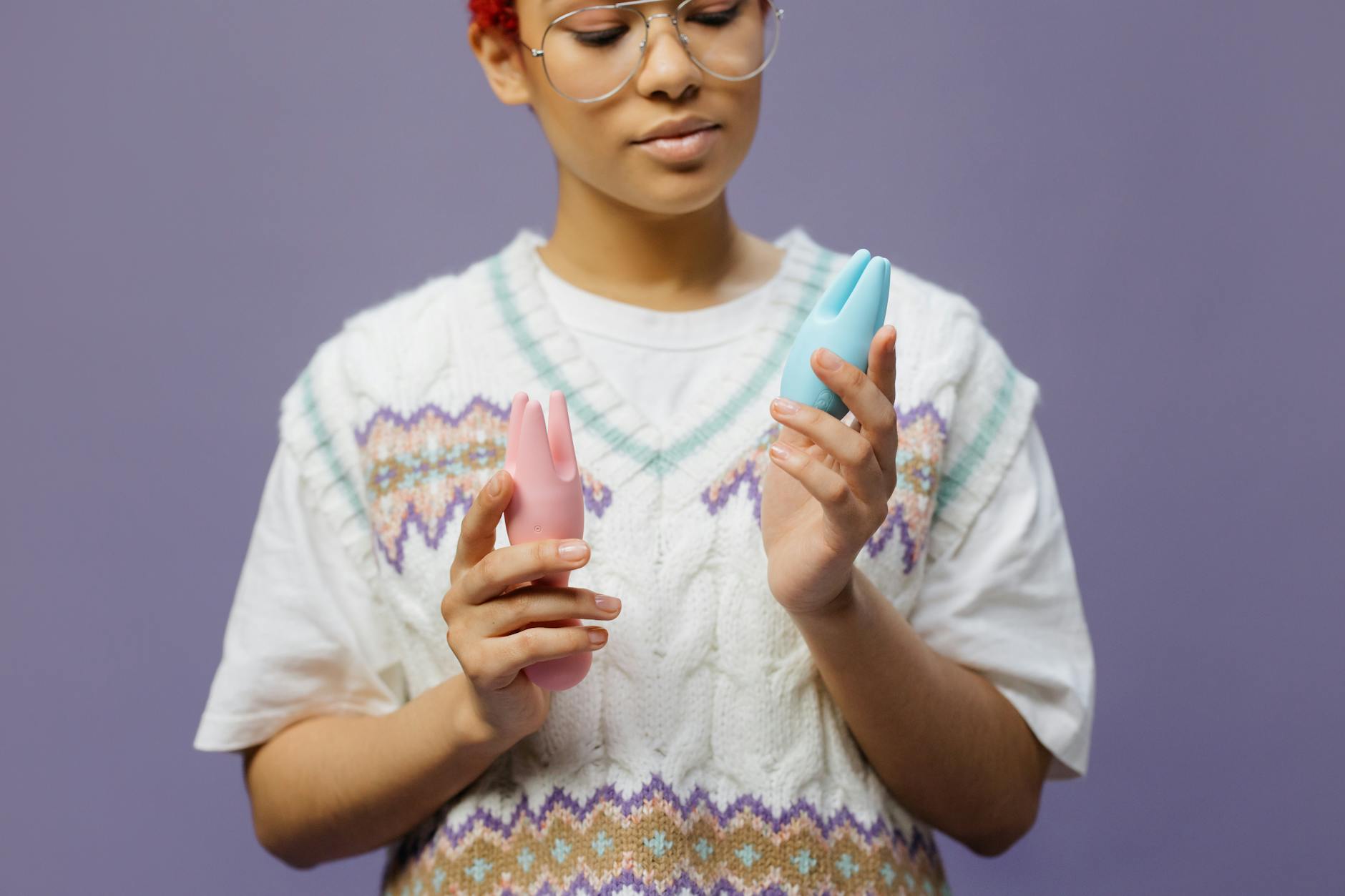
Photo by cottonbro studio on Pexels
Once sensation is back, then you're working with your partner on what feels good now versus what felt good before. That's a different conversation and a more collaborative one.
When to see a professional
Most vibrator desensitization clears up within 2-4 weeks of switching stimulation types. If sensation hasn't improved after a month of using gentler devices and varying your routine, there might be something else happening.
Hormonal shifts, medication side effects (especially SSRIs), stress, or even tension in your pelvic floor can create numbness that looks like desensitization but requires different intervention. A pelvic floor physical therapist or a gynaecologist trained in sexual health can help you distinguish between the two.
But honestly? Most of the time, switching from buzz to suction for a few weeks solves it completely.
Rebuilding your relationship with pleasure
Desensitization is also an opportunity. Most people spend months or years with one toy they love, never experimenting with anything else. When numbness forces you to diversify, you often discover sensations you actually prefer to what came before.
The Lemon clitoral vibrator's suction mechanism feels completely different than vibration. For some people, it's their first experience with suction ever. That novelty alone can reignite sensation and pleasure faster than any physiological reset could.
Think of desensitization not as a problem but as your body's way of saying, "Okay, you're ready for something new."
FAQ: Vibrator Desensitization and Recovery
How long does it take to regain sensation after using a vibrator too much?
Most people notice improved sensation within 3-7 days of switching to a lower-intensity device like a suction vibrator. Full recovery usually takes 2-4 weeks. The timeline depends on how long you were desensitized and how frequently you were using high-intensity stimulation. Patience is important here. Pushing too hard to speed up recovery can delay it.
Can you permanently damage your clitoris with a vibrator?
No. Your clitoral nerves are resilient. Habituation is a neurological adaptation, not physical damage. Even if you've been using an intense vibrator daily for years, your sensation will return once you change the stimulus. There's no permanent numbness from vibrator use alone.
Is suction better than vibration for desensitized clitorises?
During recovery, yes. Suction works through a different neural pathway than vibration, so it engages your clitoral nerves differently. This novelty helps rebuild sensation. Once you've recovered, both vibration and suction can feel great. The key is not falling back into using the same device at maximum intensity every single time.
Should I take a complete break from vibrators if I'm numb?
You don't have to. In fact, switching to a gentler device (like Lemon vibrators using suction) often rebuilds sensation faster than abstinence does. You get the win of orgasm while retraining your nervous system. That said, if you want to take a break, that works too. It just takes longer.
Can lubrication help restore clitoral sensation?
Yes, in a few ways. Water-based lubricant reduces friction, which can actually help sensation register better on desensitized tissue. It also removes the anxiety of "Am I wet enough?" which is sometimes a secondary cause of numbness. During recovery, good lubrication is part of the solution.
What if sensation doesn't come back after a month?
If you've genuinely switched devices, varied your routine, and given it 4+ weeks with no improvement, something else might be going on. Hormonal changes, medication side effects, pelvic floor tension, or stress can all create numbness. A pelvic floor physical therapist or sexual health specialist can help you figure out what's actually happening. Don't assume it's still vibrator desensitization if the timeline doesn't match.
The real takeaway
Vibrator desensitization isn't a failure. It's your nervous system doing exactly what it's designed to do: adapt to repeated stimulus. The fix is straightforward. Switch to a different type of stimulation, give it a few weeks, and sensation returns.
Lemon vibrators specifically help because suction-based stimulation engages your clitoral nerves differently than traditional buzz. You're not starting from zero. You're just taking a different path back to feeling great.
If you're dealing with this right now, you're not broken. You're just ready to explore something new. Let's help. Reach out to us with any questions about finding the right device for your recovery journey.