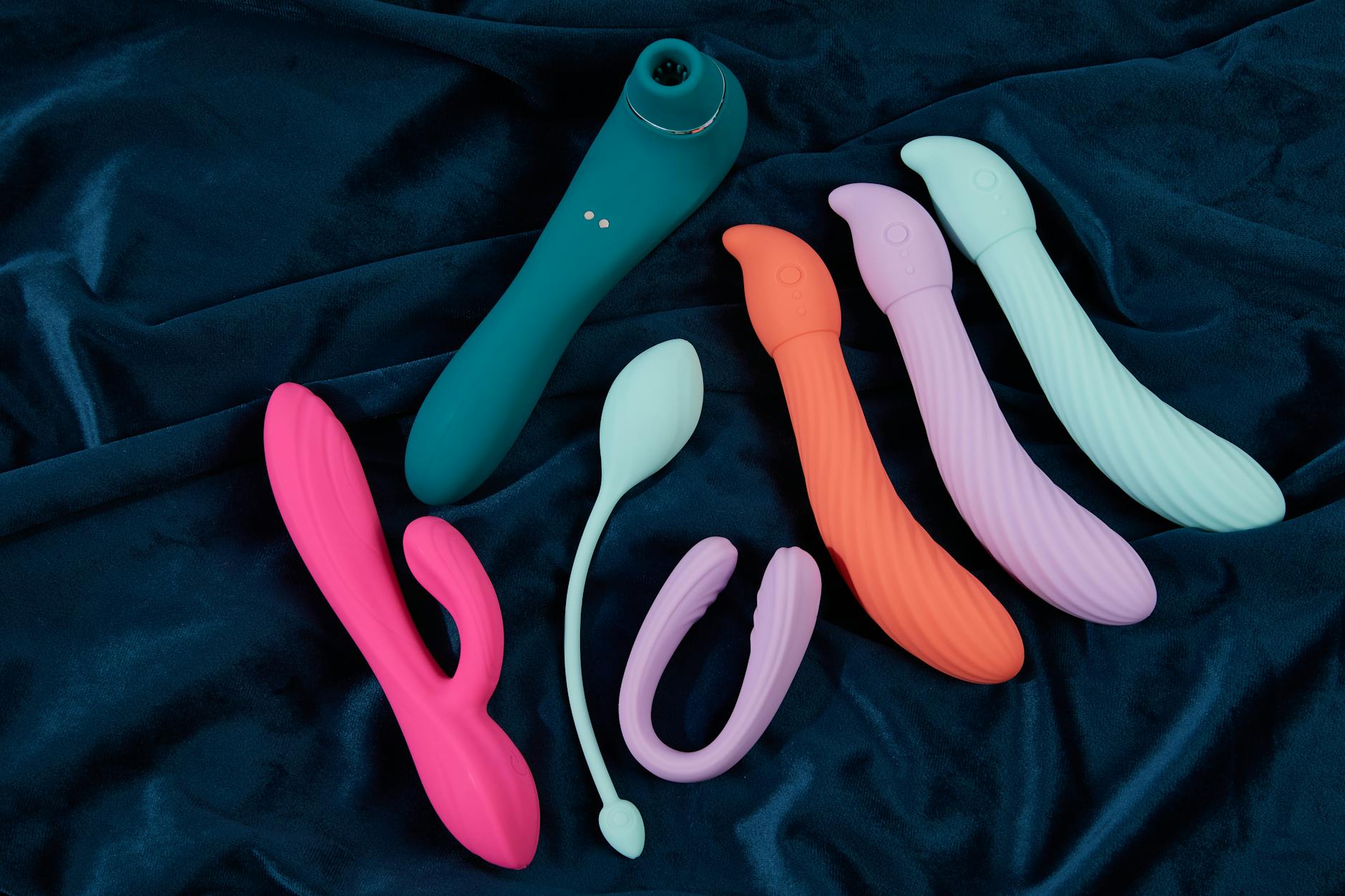
How Lemon Vibrators Help When Estrogen Levels Drop After 40
Here's the thing nobody tells you straight: your body doesn't stop wanting pleasure after 40. It just wants it differently. And if you're using the same toy that worked at 32, you might be frustrated wondering why the magic has faded. Spoiler. It hasn't. The equipment just needs to change.
Estrogen is doing less. Tissue is thinner. Blood flow is slower to build. But the neural infrastructure for arousal is still intact. The clitoris still has thousands of nerve endings. Your brain still lights up the same way. What's different is the delivery mechanism that works best.
Why estrogen matters for arousal and sensation
Estrogen doesn't just control your cycle. It's flooding your genital tissue with blood, keeping it thick and elastic, and priming the whole area to respond quickly to touch. When estrogen drops—which starts to happen in your late 30s and accelerates in your 40s—tissue thins, lubrication slows, and arousal takes longer to build. This is perimenopause, and it affects roughly 40% of women by age 40.
That thinning doesn't mean you're broken. It means the traditional vibrator logic (direct high-frequency vibration on sensitive tissue) becomes less comfortable. Tissue that's thinner and more delicate needs something gentler, more targeted, and less mechanically intense.
This is where lemon vibrators actually win. The suction-based design of a lemon clitoral vibrator like the Lem works with your body's changing physiology instead of against it.
How suction-based design works differently
A traditional vibrator buzzes directly against tissue. It's effective, but it requires that tissue to be thick enough and responsive enough to handle sustained direct contact. When estrogen is lower, that can feel overstimulating or even slightly uncomfortable after a few minutes.
A lemon suction vibrator creates a small suction cup around the clitoris. The stimulation comes from rhythmic pulsing suction rather than buzzing vibration. This means the sensation is broader, less pointy, and doesn't rely on the same direct pressure.
Why does this matter post-40? Three reasons.
First, suction stimulates through a different neural pathway than vibration. You have both slow-touch and fast-touch nerve receptors in your clitoris. Traditional vibrators nail the fast-touch nerves. Suction engages the slow-touch receptors too, which actually deepens sensation without intensity.
Second, suction doesn't depend on tissue elasticity the same way vibration does. You're not relying on the tissue to bounce back from mechanical pressure. You're creating negative space, which feels very different—often more interesting—when tissue is thinner.
Third, suction feels safe to thinner tissue. There's no friction, no sustained pressure, just a gentle pulling sensation. This matters because one of the biggest complaints I hear from women over 40 using traditional toys is discomfort or even micro-tears after extended use. A lemon suction toy bypasses that entire problem.
The arousal timeline shifts, and that's okay
Without estrogen flooding your system, arousal takes longer. You might need 20-30 minutes of foreplay before you're fully engorged, versus the 5-10 minutes that worked before. That's not dysfunction. That's your body being honest.
Here's the plot twist: lemon vibrators actually encourage this slower burn. Because suction-based stimulation is less intense, you can use it for longer without fatigue or discomfort. You're building sensation gradually instead of trying to spike it fast. Many women report that this actually leads to deeper, longer orgasms—not just quicker ones.
Lubrication becomes non-negotiable
Your body makes less lubrication as estrogen drops. This doesn't mean you're not aroused. It means your natural lubrication can't keep up with what your brain is asking for.
If you're using a lemon clitoral vibrator, water-based lube becomes your friend. A little goes a long way, and it actually enhances the suction sensation. The slip of the lube helps the suction seal work better and feel smoother.
Pro tip: reapply as you go. Lube dries out faster now that estrogen is lower. This isn't a sign something's wrong. It's just body chemistry changing. Work with it.
Intensity settings matter more now
Most lemon vibrators have multiple suction patterns and intensity levels. When you're dealing with hormone shifts, starting low and building is key.
Don't assume the highest setting will feel best. Many women over 40 find that mid-range suction, rhythmic patterns, or even lower intensity sustained longer creates more satisfying orgasms than aggressive high-intensity pulses. Your nervous system is more sensitive in some ways post-40. Honor that instead of fighting it.
Partner play shifts too
If you're using a lemon vibrator with a partner, the dynamic often improves after 40. Why? Because the toy becomes less about speed and more about exploration. Suction-based toys invite longer sessions, more playfulness, and more conversation about what actually feels good.
When arousal takes longer to build anyway, couples often relax into that. The pressure to perform quickly dissolves. You're not trying to reach an orgasm in five minutes. You're exploring together for 30. That changes everything about emotional intimacy, not just physical sensation.
The physical positioning advantage
Tissue changes can make certain positions uncomfortable. Direct pressure in angles that used to feel great might pinch or feel too intense now.
Lemon suction vibrators are smaller and less aggressive, so repositioning is easier. You can experiment with angles, pressure, and timing without the feedback loop of discomfort. This flexibility alone makes lemon vibrators worth trying if you're noticing that your old favorite positions feel different.
When to see a doctor about hormone changes
If arousal slowdown is paired with extreme dryness, pain, or zero sensation returning, talking to a menopause-informed doctor matters. Vaginal estrogen creams (which have minimal systemic absorption) can help restore tissue thickness fast. This isn't a sign you should give up on pleasure. It's a sign you need topical support while you're exploring new tools like lemon clitoral vibrators.
Genitourinary syndrome of menopause (GSM) is real and treatable. You don't have to white-knuckle through it.
Long-term sensitivity and recovery
One worry I hear: "Won't I lose sensation if I keep using a vibrator?" The research says no, especially with suction toys. Because suction works through a gentler neural pathway and doesn't create the same tissue fatigue as aggressive vibration, you're actually less likely to need escalating intensity over time.
In fact, many women report the opposite. After giving their bodies a break from intense direct vibration and switching to a lemon suction toy, baseline sensitivity goes up. The nervous system isn't fatigued. Tissue isn't micro-traumatized. You're working smarter, not harder.
FAQ: Lemon Vibrators and Estrogen Decline
How long does it take to adjust to suction-based stimulation?
Most women need two to four sessions to find the sweet spot. Your nervous system has been trained by traditional vibration for years. Suction feels foreign at first, maybe even subtle or unsatisfying. Give it time. By the third or fourth use, your body usually catches up and starts releasing deeper responses. Patience pays off here.
Can I use a lemon vibrator if I'm on hormone replacement therapy?
Yes. HRT doesn't make toys unsafe. If anything, HRT stabilizes your tissue and arousal timeline, which means toys often feel better. The principles still apply: start at lower intensity, use lube, and listen to your body. HRT doesn't bypass the need for adjusting your approach, but it can make the adjustment feel less dramatic.
Is suction-based stimulation more likely to cause discomfort than vibration?
Actually, the reverse. Suction avoids the friction and pressure that sometimes irritate thinner tissue. If you've had discomfort with traditional vibrators post-40, suction is often the solution, not a new problem. That said, starting low and building up is still essential.
Do lemon vibrators work if I have no natural lubrication?
Yes, but lube becomes essential. Without your body's lubrication, you need to add water-based lube to create the suction seal and protect tissue. This is the one time where "no lube needed" toys actually do need lube. That's just honest body mechanics. It's not a failure of the toy or your body.
What intensity level should I start with after 40?
Start with pattern one or two on most lemon vibrators. Build gradually over several minutes. Many women discover that mid-range intensity, held longer, beats maximum intensity every time. Your nervous system changes with age. What used to require a spike now benefits from a sustained curve.
Can perimenopause symptoms affect how a lemon vibrator feels?
Completely. Hot flashes, stress, and sleep disruption all affect arousal quality. If you're in perimenopause and notice that some days feel different from others, that's not the toy failing. That's hormones fluctuating. Track what works on different days. You might find that lemon vibrators actually feel more consistent across your hormone cycle than traditional toys, precisely because the suction isn't as intensity-dependent.
The bottom line
Your body after 40 isn't worse at pleasure. It's different. That difference isn't something to push through with the same tools you used before. It's an invitation to explore something new.
Lemon clitoral vibrators, with their suction-based design, often feel more intuitive, more comfortable, and more satisfying when estrogen is lower. Tissue is thinner. Arousal takes longer. Direct vibration becomes less ideal. Suction just works better for how your body is actually responding.
If you're frustrated that your old favorite isn't hitting the way it used to, this is why. It's not you. It's not your body breaking. It's your body changing, and it's asking for a different approach.
That approach is simpler and often more pleasurable than you'd expect. Start here, and see what shifts.
Have questions about how your body is responding to hormone shifts? We're here to help. Reach out anytime.