The sensitivity plateau nobody warns you about
Here's the thing about pleasure devices: if you've been using high-intensity vibrators every day for months or years, your nerve endings adapt. That thing that used to send you into orbit now barely registers. You're not broken. You haven't damaged yourself permanently. Your nervous system has simply recalibrated its sensitivity threshold, and it needs help recalibrating back.
This is called sensory adaptation, and it happens to about 40% of regular vibrator users at some point. The good news? You can recover it. The better news? Lemon vibrators and the right recovery protocol get you there faster than you'd think.
Why intensity chases don't work (and make it worse)
When sensation fades, the instinct is to go harder. Stronger patterns. Higher intensity. Longer sessions. That's exactly backward. Cranking up the intensity when you're already desensitized is like turning up the volume on a muffled speaker. You're not restoring clarity. You're just exhausting the system further.
When you overuse high-intensity stimulation, the nerve fibers in your clitoris and vulva become overstimulated and temporarily reduce their responsiveness. It's a protective mechanism. Keep hammering with maximum-intensity vibration, and your nervous system adapts further, moving the goalposts even higher. You've entered a cycle that only deepens the problem.
The recovery path requires the opposite approach: gentler, shorter, more intentional sessions that teach your nerves to respond to lighter stimulation again.
The case for lemon vibrators in sensitivity recovery
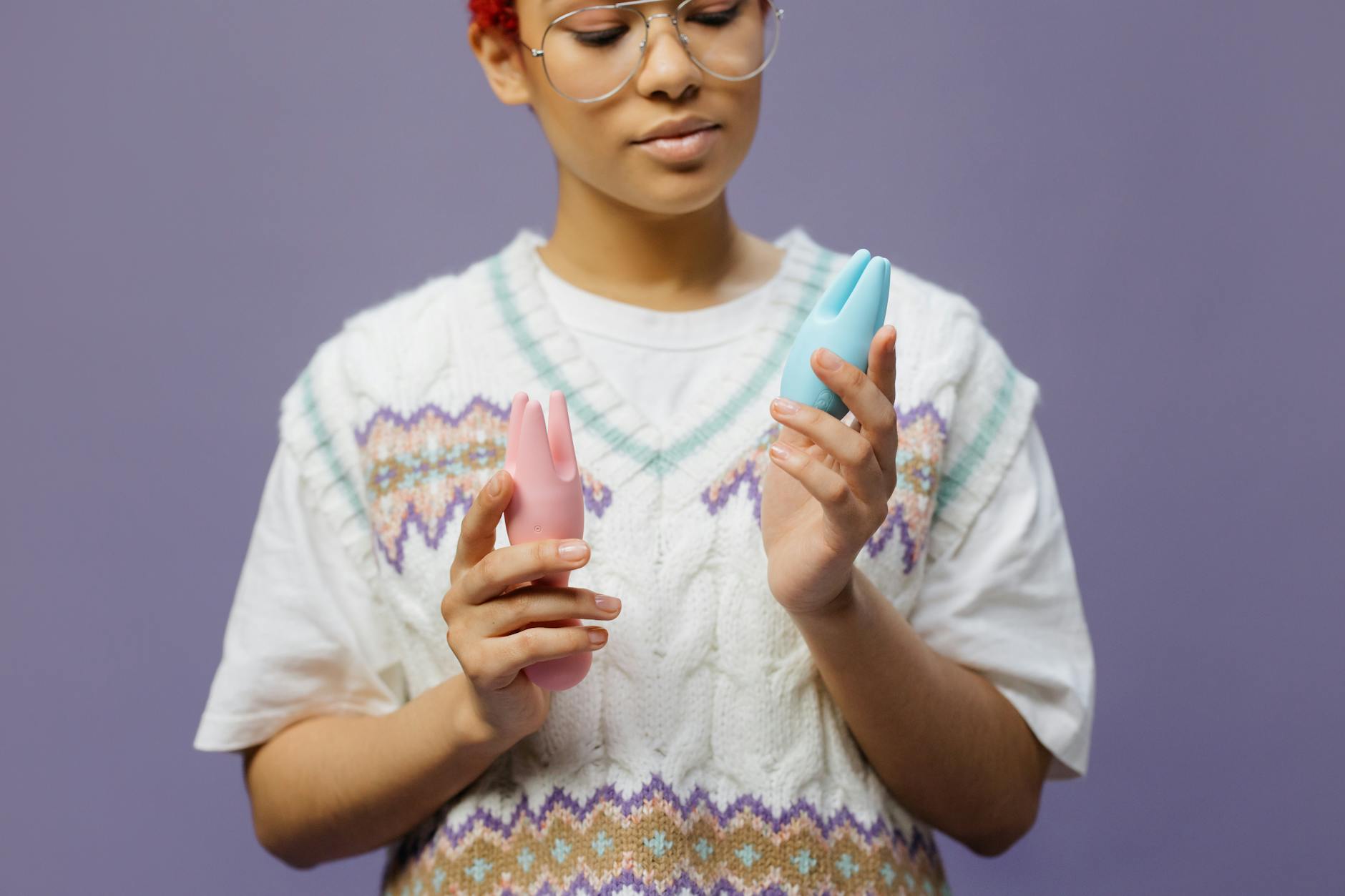
Why specifically lemon vibrators? It's about pattern and intensity range. A lemon clitoral vibrator works with suction rather than purely mechanical vibration. That means:
First, suction stimulates a broader surface area with less direct friction. For someone rebuilding sensitivity, this is ideal. You're activating nerve clusters without the jarring, focused intensity that triggered the adaptation in the first place.
Second, lemon adult toys typically operate in a lower intensity range on their baseline patterns. Starting at pattern 1 on the Lem gives you genuinely gentle stimulation. Traditional vibrators often have a "low" setting that's still quite intense compared to entry-level lemon suction toys.
Third, suction feels perceptually different from vibration. This novelty matters. When you've been using the same device for years, your nervous system recognizes it almost like muscle memory. Switching to a different sensation type (suction instead of vibration) reintroduces novelty, which helps rewaken responsiveness.
A practical recovery timeline
Sensitivity recovery isn't instant, but it's predictable if you're consistent. Here's what I see with clients:
Weeks one to two: Use a lemon vibrator on the lowest pattern, just 5 to 10 minutes, three times per week. The goal isn't orgasm. It's reintroduction. You're teaching your nerve endings that gentle touch still gets their attention. Many people report subtle sensations returning within a week.
Weeks three to four: You'll likely notice more defined sensation. Patterns feel more distinct. Increase frequency to four to five times per week, still keeping sessions short. You can stay on pattern 1 or explore pattern 2 briefly. The novelty of the lemon suction toy keeps neural pathways fresh.
Weeks five to eight: Real responsiveness returns. You'll feel the difference between patterns clearly. You can now build toward fullness, but keep intensity moderate. Think pattern 3 or 4 instead of maxing out. The goal is sustainable pleasure, not chasing peaks.
Beyond eight weeks: You've reset. Sensation is back to baseline. The key now is maintenance. Varying your devices, keeping intensity reasonable most of the time, and taking breaks weekly prevents re-adaptation.
What happens during rest periods
Rest matters as much as what you use during active recovery. When you skip stimulation for a few days, your nervous system has time to downregulate its protective desensitization response. Those breaks signal to your body: "Okay, we're not under constant assault. Normal responsiveness can come back."
I recommend one full rest day per week minimum during recovery. No vibrators, no clitoral stimulation. Let your tissue and nerve endings settle. This isn't deprivation. It's strategic recovery, like rest days in athletic training.
Your partner can help here if you have one. Focus on non-genital touch, kissing, emotional intimacy during rest days. That keeps connection alive without asking your clitoris to perform.
The role of lubrication in recovery
Dry tissue desensitizes faster than lubricated tissue. If you're rebuilding sensitivity, lubrication becomes a recovery tool, not just a comfort thing. Water-based lube reduces friction resistance, which means your tissues experience gentler stimulation even with the same device.
Use lube generously during recovery. It's not a sign you need more stimulation. It's a sign you're being smart about nerve health. A good water-based lubricant also reduces micro-tears that can occur during desensitized sessions, when you might otherwise push harder to feel sensation.
Mental recalibration is half the battle
Here's where many recovery attempts fail: psychologically. You spent months or years with a certain sensitivity baseline. Now you're deliberately using gentler stimulation. Your brain might tell you it's not working, or that you're wasting time, or that you should just push through.
That voice is wrong. Your nervous system needs time to trust gentleness again. This is genuine therapy, and it feels different because it is different.
Practice noticing micro-sensations you'd stopped registering. The slight warmth. The flutter feeling at the beginning of arousal. The difference between patterns 1 and 2. Cultivating attention to subtlety retrains your brain to value gentler sensation.
If you partner, communicate the recovery plan explicitly. "I'm working on rebuilding sensitivity, so sessions will be shorter and gentler for the next month. It's not about your involvement. It's about me resetting my nervous system." This prevents your partner from interpreting gentleness as low desire.
When to consider professional input
If you've followed this protocol for 10 weeks with zero change, check in with a gynecologist. Sensitivity loss can occasionally signal hormonal shifts, nerve compression, or other factors that need medical attention. You're not being dramatic by asking. Practitioners trained in sexual health will have seen this dozens of times.
Similarly, if recovery brings pain where there wasn't pain before, stop and see a specialist. Pain isn't part of the reset. It's a sign something else is happening.
Staying recovered
Once sensitivity returns, keep it. Vary your devices and intensities regularly. Use your high-intensity vibrators occasionally rather than daily. Introduce breaks. A lemon vibrator with its gentler, varied suction patterns is ideal for maintenance because it feels satisfying without driving further adaptation.
Think of it like skincare. You don't want to exfoliate every single day, even though it works short-term. Over time, you damage your skin barrier. Pleasure is the same. Consistent, moderate stimulation with occasional intensity beats daily maximum-intensity use every single time.
People also ask
How long does sensitivity recovery actually take?
Three to eight weeks for most people, depending on how long you've been desensitized and how consistently you follow the gentle protocol. Some folks report noticeable change in two weeks. Others need the full eight. Consistency matters more than speed.
Can I use a regular vibrator during recovery or do I need a lemon suction toy specifically?
A lemon vibrator makes recovery easier because of the suction mechanism and lower baseline intensity, but you can technically recover with any device if you're disciplined about keeping intensity very low. That said, that discipline is harder. If you're rebuilding, using a tool designed for gentler stimulation removes temptation to push harder.
Will I get desensitized again if I go back to my old vibrator?
Probably, if you return to daily maximum-intensity use. Once you've recovered, the goal is sustainability. Use high-intensity devices occasionally, take weekly breaks, and rotate between gentler tools like lemon clitoral vibrators. Variety prevents re-adaptation.
Is there anything else I should avoid during recovery besides intensity?
Avoid numbing agents, including over-the-counter topical products marketed for "sensitivity." Most contain lidocaine or similar anesthetics, which mask sensation rather than restore it. During recovery, you want to feel less artificially numbed and more naturally responsive. Skip the numbing creams for at least the recovery window.
Can sensitivity loss be permanent?
Not from vibrator use alone. Nerve adaptation is reversible. True permanent nerve damage from pleasure devices is vanishingly rare and would require trauma, not just frequent use. What feels permanent is usually just adaptation that hasn't been reset yet.
Does sensitivity recovery mean I can never use intense vibration again?
No. Recovery means you can use it again occasionally without triggering re-adaptation. The difference is knowing the difference between weekly intense use and daily intense use. One is sustainable. One isn't. Once you're recovered, you get to choose frequency rather than letting habit choose for you.
The reset is real
Your nervous system is plastic. It adapts downward under constant high intensity, and it adapts back upward with consistent gentleness. Lemon vibrators, with their suction-based pattern and graduated intensity, are built for this kind of thoughtful, recovery-focused pleasure. You haven't broken your capacity for sensation. You've just temporarily recalibrated it. Reset it back, and you get to enjoy sensation the way you did before, but smarter.
If you're ready to rebuild, start with gentleness, be patient, and trust the process. Your body remembers how to respond. It just needs permission to slow down.
Have questions about sensitivity recovery or rebuilding intimacy after a long stretch of routine? Get in touch and we can talk through what might work best for your situation.