Let's start with the real problem
If you have sensitive skin or allergies, the world of adult toys can feel like a minefield. Most vibrators are made from materials designed for durability and cost, not biocompatibility. You spend months working up the courage to try a lemon vibrator, then your skin reacts and suddenly pleasure becomes a source of anxiety instead.
Here's what I need you to know: you're not broken. Your body is doing exactly what it's supposed to do. And there are absolutely lemon vibrators and other clitoral vibrators that will work with your skin, not against it.
Why vibrator materials actually matter
Your genital skin is thinner and more permeable than skin anywhere else on your body. That means it absorbs things faster and reacts more intensely. When you press a vibrator against vulvar tissue, you're not just making contact. You're creating an environment where porous materials can leach chemicals directly into living tissue.
Most cheaper vibrators use thermoplastic rubber (TPR), jelly rubber, or unverified silicones. These materials often contain phthalates (plasticizers that soften the material), heavy metals as colorants, and unknown fillers. They're not toxic in small amounts, but sensitive skin doesn't need "not toxic." It needs genuinely inert.
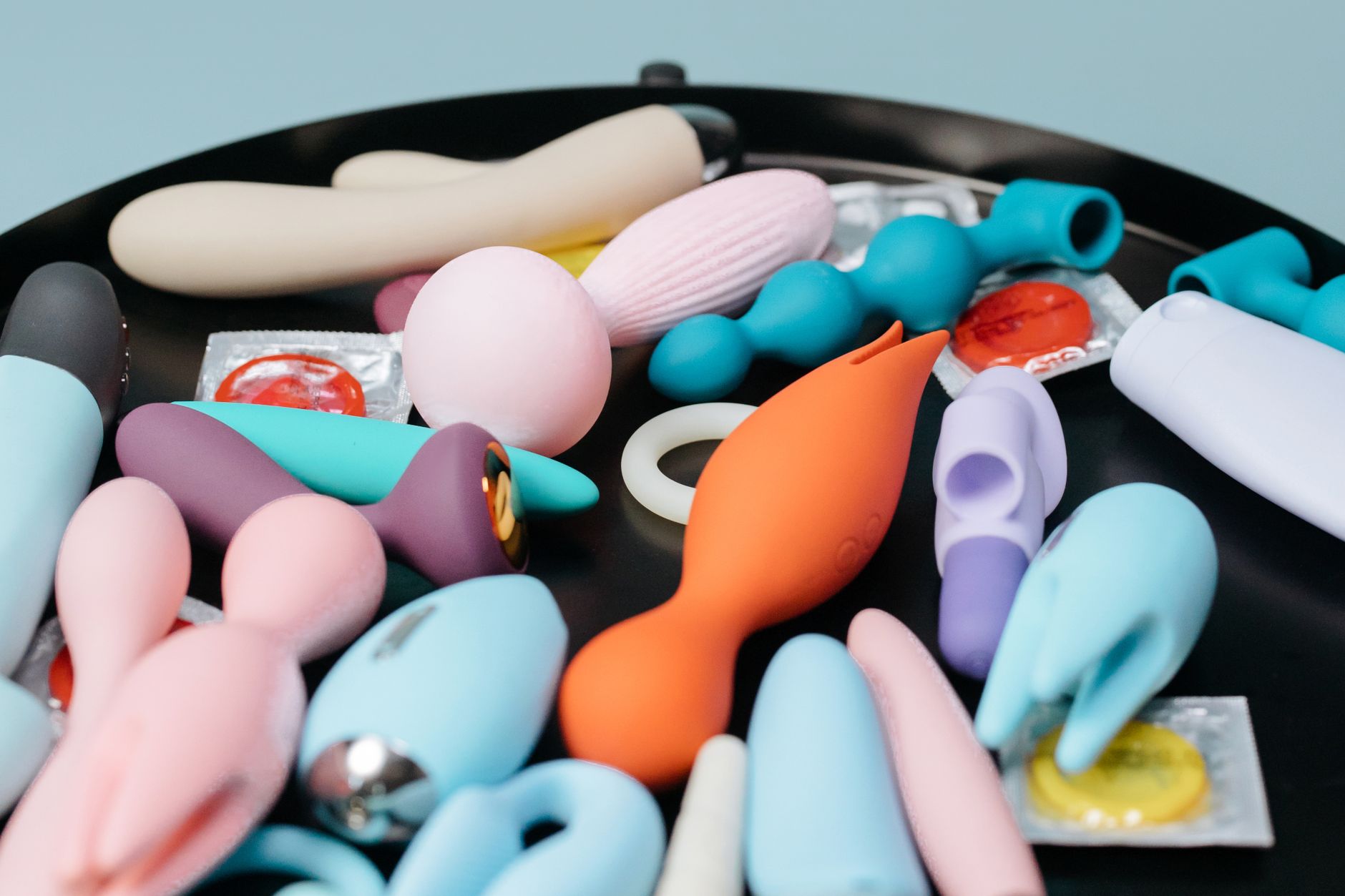
Photo by cottonbro studio on Pexels
The material hierarchy for sensitive skin
Medical-grade silicone: the gold standard
This is the one you want. Medical-grade silicone has been processed to remove volatile compounds, has virtually zero phthalates, and is non-porous (bacteria can't hide in it). Lemon Intimate Toy uses medical-grade silicone across their line, which is why their lemon clitoral vibrator and other lemon sexual toys work so well for reactive skin.
You'll see this material labeled as "platinum-cure" or "platinum-grade" silicone. That terminology means the silicone was cured with platinum catalysts rather than tin, which eliminates another set of potential irritants.
Borosilicate glass: the second option
If you're allergic to silicone (rare but real), borosilicate glass is your answer. It's completely non-porous, zero allergenic compounds, and you can clean it with anything, including boiling. The trade-off: it's not flexible, it's cold to the touch, and it can break if dropped on hard surfaces.
Stainless steel: solid but niche
Food-grade stainless steel works for some people, though it's less common in clitoral vibrators because rigidity isn't ideal for that specific type of stimulation. It's worth knowing about if you've had reactions to everything else.
What to avoid completely
Jelly rubber, thermoplastic rubber, PVC, PU, and anything labeled just "silicone" without specification are off the table. So is any vibrator where the manufacturer won't specify the material. That vagueness usually means they know it's not great.
The phthalate problem specifically
You've probably heard the term. Phthalates are chemicals added to plastics and rubber to make them soft and flexible. They're in lots of consumer goods, which is fine in most contexts. But in vibrators, especially ones that are warm from friction and pressed against permeable tissue, they leach out more readily.
Some people react immediately with rash, itching, or burning. Others don't notice anything for months but slowly develop contact dermatitis. And some people seem fine and actually aren't. Long-term exposure to phthalates has been linked to skin sensitization over time, meaning your tolerance gets worse the more you're exposed.
Medical-grade silicone vibrators are phthalate-free by definition. That's not marketing. That's chemistry.
Why lube matters as much as the toy
You can choose the most biocompatible vibrator on Earth and still have a reaction if your lube is the problem. Most personal lubricants contain glycerin, parabens, or both. Both of these are common sensitizers.
If you have sensitive skin, you need a lube that's genuinely minimal. Hyaluronic acid-based lubes are your friend because they're almost pure water with one humectant. They're boring and they're exactly what you need.
Avoid anything with warming or cooling sensations (those are irritant chemicals), flavoring, or scent. Fragrance in lubricant is never a good idea for sensitive genital skin.
Testing for compatibility before full contact
Once you've chosen a toy made from the right material, don't just launch into using it. Do a patch test first.
Rub the vibrator (turned off) against a small area of inner arm or thigh for a minute. Wait 24 hours. If no reaction, you're probably good. Then do a brief test on vulvar skin with the vibrator still off. Another 24-hour wait. Only then try it powered on.
This sounds cautious, and it is. But it's also the fastest way to know if this particular toy is going to work for your body.
Specific features that help with sensitivity
Waterproof construction
If your toy is truly waterproof, you can rinse it thoroughly between uses and even between different types of play. Water is your most biocompatible cleaning method. Soap can leave residue. Water alone is neutral.
Lower vibration intensity
Friction heat increases leaching and also irritates already-reactive skin. Starting at lower intensities (which lemon vibrators and other quality clitoral vibrators usually offer across their range) gives your body time to acclimate. You might find you don't need higher intensities anyway.
Shorter initial sessions
This isn't about the toy being bad. It's about your skin adjusting. Twenty minutes of continuous vibration on sensitive tissue will cause inflammation in anyone eventually. Start with five to ten minutes, then build up over weeks as your skin acclimates.
When to suspect a materials issue vs. other problems
Sensitivity comes in flavors. If you get itching and rash that develops during or immediately after use and fades within a few hours, that's likely material contact dermatitis. If you get pain or burning that doesn't ease, that's usually friction or intensity. If you develop texture changes or discoloration that lasts days, that might be an allergic response.
Contact dermatitis specifically: rash, itching, maybe some swelling. It feels localized to where the toy was. It goes away on its own. It comes back next time you use that toy.
An actual allergy is different. Itching spreads, swelling is more pronounced, and sometimes you get systemic symptoms. That's when you need a dermatologist, not just a better vibrator.
Material allergies exist but are rare
True silicone allergy is uncommon enough that dermatologists sometimes debate whether it exists at all. But some people do have it. If you've reacted to multiple medical-grade silicone products, borosilicate glass is your only option in the vibrator world.
Platinum-grade silicone is slightly less likely to cause issues than tin-cure silicone, so if you think you might have a mild sensitivity, start there before assuming you need glass.
How to clean lemon vibrators safely
Cleanup matters. Residue buildup from old lubricant or body fluids can cause irritation that you then blame on the toy itself.
For medical-grade silicone: warm water and mild soap immediately after use, rinse thoroughly, pat dry. You can use toy cleaner (non-scented, specifically formulated for silicone), but water and soap work fine.
For glass: soap and water, or boil between uses for maximum sterilization.
Never use harsh chemicals, alcohol-based cleaners, or anything abrasive. And always dry your toy completely before storing it.
The partnership conversation
If you use a lemon clitoral vibrator with a partner, let them know you have sensitive skin. This isn't a shameful thing. It's information that changes how you both approach play. Longer warmup, shorter sessions, more attention to lubrication. None of that sounds less fun when framed correctly. It sounds like care.
People also ask
Can you be allergic to medical-grade silicone?
True allergy to medical-grade silicone is extremely rare, but it does happen to some people. If you've had verified reactions to multiple medical-grade silicone products, see a dermatologist for allergy testing before spending more money on vibrators. Borosilicate glass is the next option.
Is all silicone the same?
No. Platinum-cure silicone is processed differently than tin-cure, and medical-grade silicone is different from consumer-grade. The label matters. If a manufacturer doesn't specify the type, assume it's the cheaper version and skip it.
Can you use barrier protection with a vibrator if you have severe allergies?
Technically yes. A latex or nitrile barrier (non-lubricated) between your skin and the toy reduces direct contact. But most people find it diminishes sensation too much to be worthwhile. Better to find a compatible toy than to use a barrier long-term.
What's the difference between sensitivity and allergy?
Sensitivity is inflammation and irritation that goes away once you stop exposure. Allergy involves your immune system activating and can cause systemic symptoms beyond the contact area. Sensitivity is way more common and usually manageable by switching materials. True allergy requires medical guidance.
Do you need to worry about off-gassing with new vibrators?
With medical-grade silicone, no. The material is fully cured. With cheaper materials, potentially yes. The "new toy smell" is volatile compounds leaching out. With quality vibrators, you're not getting that smell because the material is processed to eliminate it.
Is hypoallergenic lube necessary if I use a medical-grade vibrator?
Not absolutely necessary, but yes, it's worth considering. The vibrator is only part of the equation. Lube that irritates your skin will cause problems regardless of how perfect your toy is. If you have sensitive skin, hypoallergenic lube removes one more variable.
What actually works
You deserve to explore pleasure without your skin punishing you for it. That means choosing toys from materials that respect your body. Lemon Intimate Toy makes lemon sexual toys specifically from medical-grade silicone, which is why they show up consistently in conversations about sensitive skin compatibility.
Start with the right material. Clean carefully. Use compatible lube. Test before committing. And give your skin time to adjust. Follow that sequence, and you'll find that sensitivity isn't a barrier to pleasure. It's just information that changes your approach.
If you're still struggling after trying all this, we're here. Reach out and let's talk through what's happening.