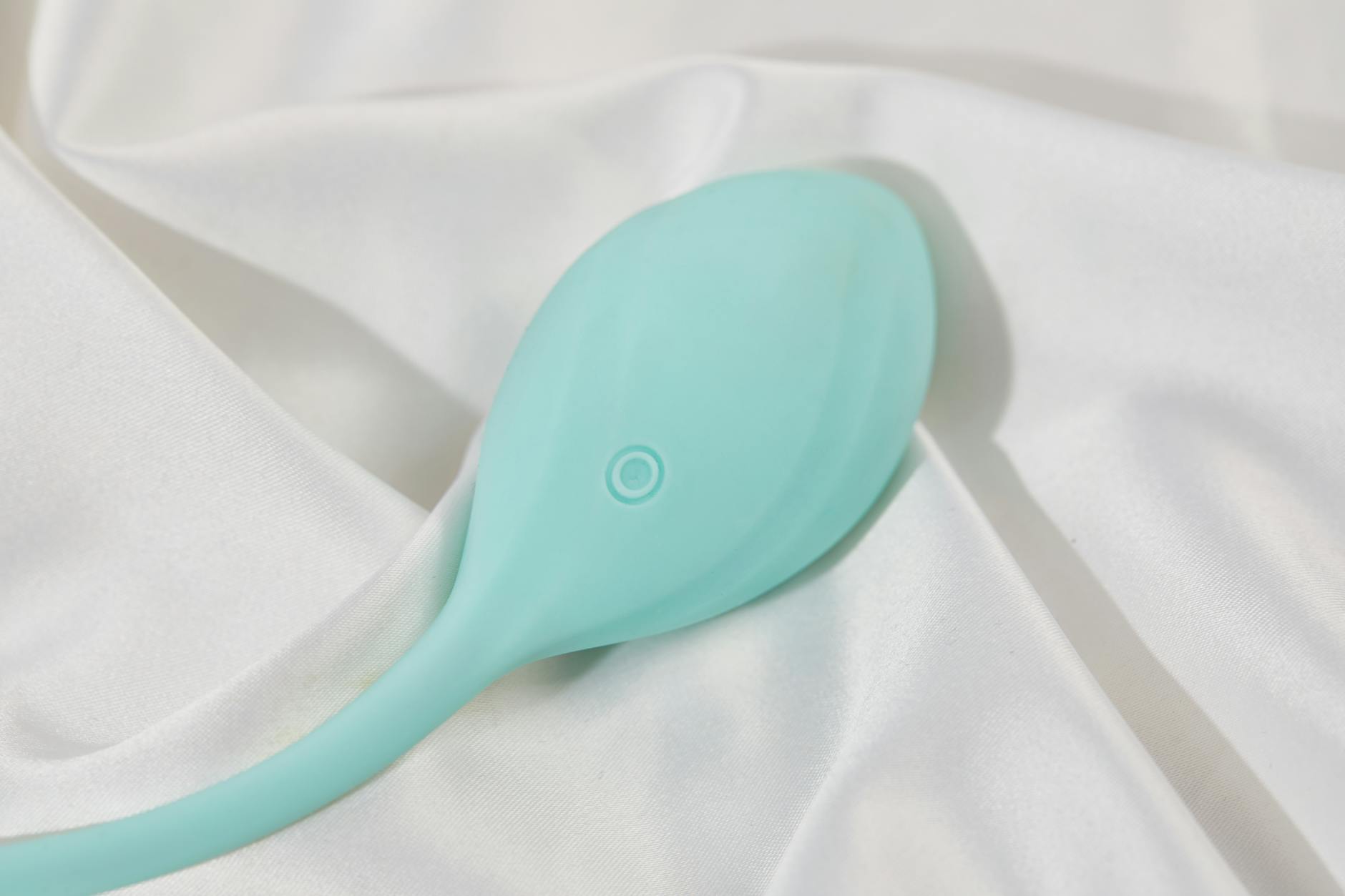
Let's be honest about the desensitization fear
Every person I work with who's been using lemon vibrators or any clitoral vibrator for more than a few months eventually asks the same thing: am I losing sensation? Will my body stop responding? The fear is real and it's everywhere online, which makes it feel scientific. But here's what the research actually says.
Desensitization happens. It's also completely preventable. The numbing you hear about isn't from vibrators themselves. It's from overuse without breaks, from always using the same intensity, and from skipping rest periods entirely. Basically, you don't go numb from tools. You go numb from the same routine done constantly.
The good news? Once you understand the pattern, maintaining sensitivity becomes a matter of smart habits, not sacrifice.
Why sensation naturally shifts with repetition
Your clitoral nerves are densely packed but they're still nerves. When you stimulate them intensely every single day in the same way, the brain learns to filter that input. It's called habituation. Your nervous system essentially says "we've seen this signal before" and turns down the volume so you can detect new signals instead.
This is the same reason a strong perfume smells like nothing after you wear it for an hour, but your partner notices it immediately. Habituation is useful in many contexts. In pleasure, it just means you need to interrupt the pattern occasionally.
With lemon vibrators specifically, the suction mechanism creates a gentler initial stimulus than traditional vibration, which means many people don't experience rapid desensitization in the first place. But that doesn't mean you can ignore variation. Even subtle repetition counts.
The two-day rule and why it works
My most important recommendation is deceptively simple: don't use any vibrator on the same intensity level on consecutive days. That's it.
If you use your lemon vibrator on pattern level 5 on Monday, drop to level 2 or 3 on Tuesday, or skip Tuesday entirely. This tiny intervention keeps your nervous system from settling into "I've seen this before" mode. Your sensitivity stays responsive.
Why two days? Neurologically, 24 hours is roughly the threshold where habituation starts becoming meaningful. You can use the same vibrator every day if you rotate intensity, frequency duration, or even just the angle of approach. But using the maximum intensity for 15 minutes on consecutive days is the fastest way to feel like you're chasing sensation.
Rotation strategies that actually work
Think of your clitoral vibrator as one tool in a set, not your only tool. You don't need to buy multiple lemon vibrators (though some people do). You need variation.
Rotate intensity. Most people settle into one "magic" speed and live there. Fight that instinct. If your lem vibrator has eight patterns, use patterns 2, 5, and 7 on different days. Your nerves stay alert.
Rotate duration. Some days five minutes, some days 20. Some days just two minutes of teasing. Your body learns to expect different amounts of time and attention, which keeps anticipation high.
Rotate method. Use your vibrator directly on the clitoris some days, around it other days. Use it during partnered play one week and solo the next. Vary whether you're lying down, sitting, or standing. Each position engages slightly different nerve pathways.
Rotate the device itself. This is where choosing between lemon vibrators and traditional vibration becomes useful. If you own a lemon suction toy and a standard vibrator, alternating between them keeps your nervous system fresh. Even different brands of suction toys feel slightly different because of nozzle shape and strength.
Why breaks matter more than frequency
Here's a counterintuitive fact: people who use vibrators less frequently often lose sensitivity faster than people who use them regularly with intentional breaks. Why? Because the nervous system adapts not just to stimulation but to the absence of it.
If you use your lemon vibrator three times a week with no pattern, your body doesn't know what to expect. That unpredictability keeps sensation alert. If you use it once a month, your nervous system figures "this isn't a priority" and essentially de-prioritizes that sensation pathway.
The sweet spot for most people is three to five times weekly with varied intensity. This sends a clear signal to your nervous system that clitoral sensation matters, while the variation prevents habituation. Some people thrive on daily use with aggressive rotation. Others prefer every other day. What matters is consistency with variation, not frequency itself.
Lubrication and tissue health matter more than you'd think
This is the part people miss entirely. Desensitization isn't always neurological. Sometimes it's physical.
If your clitoral tissue is dry or irritated from overuse without lubrication, your body naturally reduces blood flow to the area as a protective mechanism. That makes sensation feel duller and orgasms harder to reach. It's not that your nerves are numb. It's that your body is protecting itself.
Water-based lubricant during every session, even if you're naturally lubricated, makes a massive difference over time. It reduces friction stress, which means your tissue stays healthier and more responsive. Use a small amount. Reapply if you're going longer than five minutes. Your sensitivity will stay sharper because your tissue stays healthier.
What to do if you notice dulling already happening
If you're reading this and you're already in the zone where sensation feels muted, you're not broken and you don't need to quit vibrators forever. You just need a reset.
Take a full week off. Seven days. No vibrators, no intense manual stimulation. Give your nervous system a complete break from that specific input. Then come back at pattern level 2. Seriously. Start low. Let yourself rediscover what subtle sensation feels like.
After that restart, implement the rotation strategies above. Your sensitivity returns quickly. Most people feel a noticeable difference in responsiveness within two to three weeks of using lower intensities with varied patterns. It's not permanent. It's just habituation, and habituation is reversible.
The partner dynamic and shared pleasure
If you're in a partnership, intermittent vibrator use with your partner sometimes means you're maintaining freshness while also building connection. Some couples use lemon vibrators during foreplay together, which creates novelty through shared experience. Other couples take turns, or introduce the vibrator only occasionally.
That kind of variation automatically prevents the "every single session the same way" trap. If you're alternating between partnered exploration and solo use, you're already rotating naturally.
Building a sustainable pleasure practice
Maintaining clitoral sensitivity long-term isn't about restraint. It's about intentionality. You're not depriving yourself. You're actually protecting the pleasure capacity you already have.
Think about it this way: if you had a favorite album, would you listen to it on repeat for three hours daily, or would you rotate it with other music? The second approach means that album stays fresh and exciting forever. Same principle with your body.
When you use your lemon vibrator with intention, with variation, and with generous breaks, you're not sacrificing sensation. You're creating the conditions where sensation stays vivid across years of use.
Frequently asked questions
Can lemon vibrators cause permanent numbness?
No. The numbing that happens with any vibrator is neurological habituation, which is completely reversible. Your nerve endings don't become permanently insensitive. They simply adjust their signal detection if the same stimulus repeats identically every day. A week off plus reintroduction at lower intensities restores full sensation.
How many times per week can I safely use a lemon clitoral vibrator?
Three to five times weekly with rotated intensity patterns is ideal for most people. Some people thrive on daily use as long as they rotate between multiple patterns and durations. The key variable is intensity consistency. Never use maximum intensity on back-to-back days.
Will switching between different clitoral vibrators help maintain sensitivity?
Absolutely. Switching between a lemon suction vibrator and a traditional vibrator, or between different brands, introduces physical novelty that keeps your nervous system engaged. Variety in sensation pathway is one of the most effective ways to prevent habituation.
Do I need to take breaks from vibrators entirely to keep sensitivity?
Not necessarily. Regular breaks (once per week, at minimum) help, but consistent use with rotated intensity works just as well. The important factor is that you're not using identical intensity on the same body part daily. Vary intensity, pattern, duration, position, or device type.
What's the difference between normal sensation changes and actual desensitization?
Normal sensation changes happen when you're tired, stressed, or your hormones are shifting. Desensitization is specifically when your clitoral area feels persistently numb even in ideal conditions, and orgasms require progressively stronger stimulation over weeks. If you're noticing persistent dullness despite good self-care, that's the signal to take a break.
Can water-based lubricant really impact long-term sensitivity?
Yes, significantly. Lubricant reduces tissue stress and prevents micro-irritation that causes inflammation. Healthier tissue maintains better blood flow and nerve responsiveness. It's not a mystical effect. It's pure tissue health. Using lube consistently actually protects your sensitivity over time.
The bottom line
Your clitoral sensitivity is durable and dynamic. It's built to respond to variation. Lemon vibrators don't steal sensation from you. Monotony does. Once you commit to rotating intensity, duration, and approach, you're not managing sensitivity. You're optimizing it.
If you want to explore ways to rebuild arousal after long-term use, or you're just starting with a new device and want to understand the long-term picture, the principle is the same: intentional variety is your best friend.
Your pleasure deserves consistency, not monotony. Build your practice around that, and sensation stays alive.