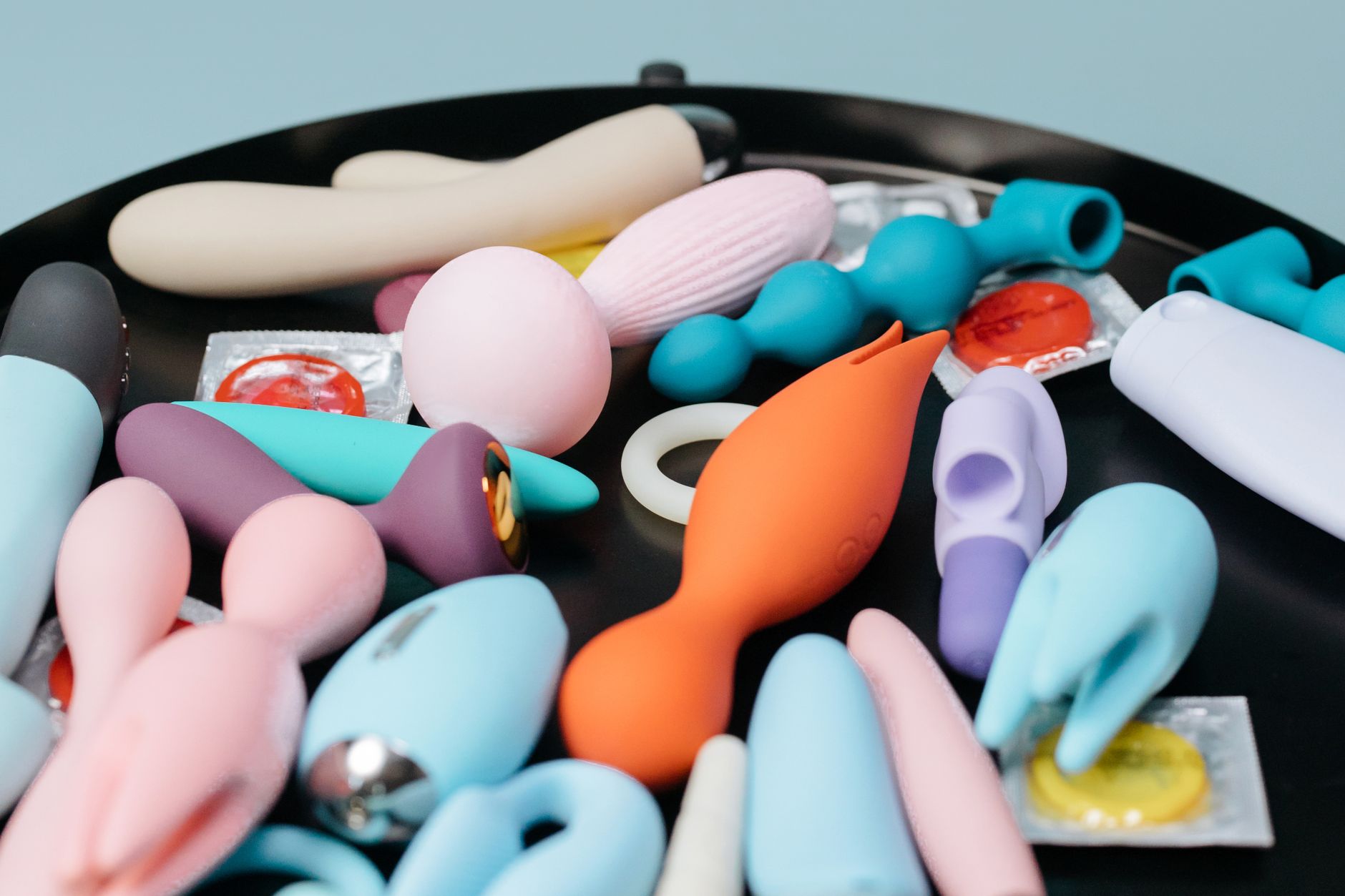
Let's talk about pleasure during the biggest body transition you'll ever have
Pregnancy and postpartum aren't usually the first times people think about sexual pleasure. But here's the thing: your body is doing extraordinary work, your hormones are wildly elevated, your nerve endings are hypersensitive, and sometimes your clitoris literally swells with increased blood flow. That's not a reason to stop feeling good. It's often a reason to feel different kinds of good.
The tricky part is knowing what's safe, what actually feels good when your body is reshaping itself, and how a tool like a Lemon vibrator fits into this particular chapter. Let me walk you through it.
The physiology of pleasure during pregnancy
Your estrogen and progesterone are flooding your system. This triggers increased blood flow to the pelvic area, which means more engorgement, more sensitivity, and sometimes spontaneous arousal you weren't expecting. Many people report that their clitoral sensitivity shifts during pregnancy. Sometimes it becomes almost unbearably intense. Sometimes it deadens. Both are completely normal.
Orgasms during pregnancy are safe. Full stop. They don't trigger labor, they don't harm the baby, and they can actually feel more intense because of that increased blood flow. However, a few conditions matter: if you have a history of preterm labor, placental issues, or your care provider has specifically told you to avoid penetration or orgasm, listen to that guidance.
For external clitoral stimulation like Lemon vibrators provide, the risk profile is dramatically lower than for penetration. You're not introducing anything into the vaginal canal, there's no pressure on the cervix, and you're not triggering uterine contractions in the way that some penetrative activities might. Suction vibrators like Lemon's clitoral vibrators are particularly gentle here because they work through gentle air pulsing rather than aggressive friction.
When vibrators actually help during pregnancy
Three things happen during pregnancy that a Lemon vibrator genuinely supports.
Pain relief. Pelvic floor tension increases as your ligaments stretch and your center of gravity shifts. Orgasms release tension through rhythmic muscle contractions. Many people find that gentle clitoral stimulation and the resulting orgasm reduces lower back pain, pelvic soreness, and that general ache of carrying extra weight. It's temporary relief, but it's real.
Sleep and mood. Pregnancy anxiety is real, and so is disrupted sleep. Orgasms flood your system with oxytocin and serotonin, which help with both. Some people use gentle clitoral vibration as part of their wind-down routine in the evening. It's not a cure for pregnancy hormones, but it's a tool that works.
Connection to your changing body. Pregnancy can feel alienating. Your body belongs to the baby now, your breasts are tender, your belly is in the way, your partner might feel nervous about touching you. Solo pleasure with a Lemon vibrator is a way to reclaim some agency over your own sensations. That matters.
The practical adjustments for pregnancy
If you're used to using Lemon vibrators at higher intensity settings, dial it down now. Your tissues are more sensitive, and honestly, you probably don't need the higher patterns. Start at setting 1 or 2 and work up only if you want to. Many people find that lower settings feel more satisfying during pregnancy anyway because the increased baseline sensitivity means you get the same stimulation at gentler levels.
Timing matters. The second and third trimester are generally the safest times for this. First trimester is when miscarriage risk is highest and everything feels uncertain, so some people prefer to wait. Talk to your care provider about your specific situation, but generally speaking, if you're past the first trimester and haven't been told to avoid sexual activity, external clitoral vibration is low-risk.
Position shifts everything. You can't lie flat on your back comfortably past a certain point. Side-lying or semi-reclined positions work better. Some people find that sitting on the toilet or in a comfortable chair works best because there's no pressure on your belly.
The postpartum window is weird and different
Here's where everything changes again. After you give birth, your body needs time to heal. If you had a vaginal birth, the tissue is abraded and sore. If you had a cesarean, you have an actual surgical wound. Either way, your pelvic floor is traumatized from the pressure of labor or the surgery itself. Your hormones are crashing. You're bleeding. You're exhausted.
Most care providers recommend waiting six weeks before resuming any sexual activity. This is a real guideline, not just a suggestion. Your cervix needs to close, any tears or stretching need to begin healing, and infection risk is genuinely high if you introduce friction or bacteria to the area too early.
At the six-week mark, when you get cleared by your provider, external clitoral stimulation is usually the first thing that's safe to resume before penetrative sex. A Lemon vibrator is actually ideal here because it provides intense sensation without any penetration, without pressure on the perineum, and without the friction that can irritate healing tissue.
Start slowly. Your sensitivity will have changed again. Postpartum hormones (especially if you're breastfeeding) can significantly reduce genital sensation. Everything might feel numb, or weirdly intense, or just different. This is temporary. Your body is recalibrating.
Managing pelvic floor healing with vibration
Your pelvic floor took a massive hit. Whether you pushed a baby out vaginally or had your abdomen cut open, the pelvic floor is involved in both recovery processes. Many people experience pelvic floor dysfunction postpartum: incontinence, pain, numbness, or spasm.
Here's the thing about vibrators and pelvic floor recovery: they can help, but only if you're also doing the rehab work. A physical therapist specializing in pelvic floor health can show you how to use gentle vibration as part of your recovery. Lemon vibrators work particularly well postpartum because the suction mechanism doesn't require you to tense your pelvic floor to hold the toy in place like traditional vibrators might.
Start with external stimulation only. Don't use any internal toys until you've been cleared by your provider and ideally until you've seen a pelvic floor PT who can assess your healing.
The emotional piece nobody talks about
Postpartum bodies are strange. Your breasts might be leaking milk or painfully full. Your belly is loose where it was tight. Your vagina feels different. Your whole identity shifted. Resuming pleasure isn't about getting back to normal. It's about rediscovering what feels good in this new configuration.
Many people experience postpartum depression or anxiety around sex. They feel touched out, overstimulated by a baby who needs them constantly, or disconnected from their own body. That's not a reason to force pleasure back into your life. But it's also not a reason to assume you can't feel good anymore. Sometimes solo pleasure with a Lemon vibrator is the bridge back to feeling like yourself.
If you're partnered, talking about this helps. Your partner might be nervous about hurting you. You might be nervous about not wanting them. You might both be too tired to even think about sex. That's all normal. When you do want to resume activity, the conversation about what's comfortable, what feels safe, and what intensity level works is not optional. It's the foundation.
Signs that something's not right
If you experience pain during or after clitoral stimulation, stop. Pain during sex postpartum can indicate infection, incomplete healing, or pelvic floor dysfunction that needs professional assessment. See your OB or a pelvic floor specialist.
If you're bleeding heavily or passing clots after stimulation, that's a sign to wait longer before resuming. If you have discharge that smells bad or looks infected, that's also a sign to get checked out.
If you're feeling emotionally triggered or dysregulated by sexual activity, that's worth exploring with a therapist. Postpartum trauma is real, and sometimes the body remembers labor or delivery in ways that make pleasure complicated for a while. That doesn't make you broken. It makes you human.
FAQ: Pregnancy, postpartum, and Lemon vibrators
Is it safe to use a clitoral vibrator while pregnant?
Yes, external clitoral stimulation is generally safe during pregnancy if you haven't been told otherwise by your care provider. Orgasms don't trigger labor or harm the baby. However, if you have a history of preterm labor, placental issues, or have been advised to avoid sexual activity, follow that guidance. Talk to your provider about your specific situation.
When can I start using vibrators again after giving birth?
Most providers recommend waiting six weeks postpartum before resuming any sexual activity, including vibrator use. This allows your cervix to close and initial healing to begin. At your six-week checkup, ask your provider if external clitoral stimulation is safe for you. This is usually cleared before penetrative sex.
Why does everything feel numb or different after postpartum?
Postpartum hormones shift dramatically, especially if you're breastfeeding. Prolactin, which supports milk production, actually reduces sexual arousal and sensation. Additionally, your pelvic floor is healing and may be in spasm or dysfunction. This is temporary. Sensation typically returns as hormones stabilize and healing progresses. A pelvic floor physical therapist can help speed recovery.
Are Lemon vibrators better than traditional vibrators postpartum?
Lemon's suction vibrators work through gentle air pulsing rather than aggressive vibration, which can feel less intense and irritating on healing postpartum tissue. They also don't require you to engage your pelvic floor to hold the toy in place, which is helpful when your pelvic floor is already traumatized. That said, every body is different. Some people find any vibration uncomfortable early postpartum, and that's fine.
Can I use a vibrator while breastfeeding?
Yes. Breastfeeding won't be affected by your own pleasure. However, many people find that breastfeeding drops sexual desire and sensation because of hormonal changes. If you want to use a Lemon vibrator while breastfeeding, you might find that settings you used before feel too intense now, or that you need longer warm-up time. That's completely normal and usually reverses when breastfeeding ends.
What if I had a cesarean? Is clitoral vibration safe?
Yes, external clitoral stimulation is safe after a cesarean once you've been cleared by your provider. You're not putting pressure on your surgical wound or introducing anything into the vaginal canal. However, you might feel more emotionally sensitive or physically tender than after a vaginal birth. Go slowly, listen to what your body tells you, and don't hesitate to wait longer if you need to.
Your body, your timeline, your pleasure
Pregnancy and postpartum aren't seasons to put your pleasure on hold. They're seasons to renegotiate what pleasure looks like for you. A Lemon vibrator can be part of that renegotiation. It's a tool that works with your changing body rather than against it. But the most important thing is listening to what your body is telling you, respecting your care provider's guidance, and giving yourself permission to want what you want without guilt.
Your pleasure matters during this season too. Not as a performance, not as something you owe your partner, and not as a way to get back to normal faster. But as something that belongs to you, in a body that's doing extraordinary work.
Have questions about how Lemon vibrators fit into your pregnancy or postpartum journey? Reach out to our team.