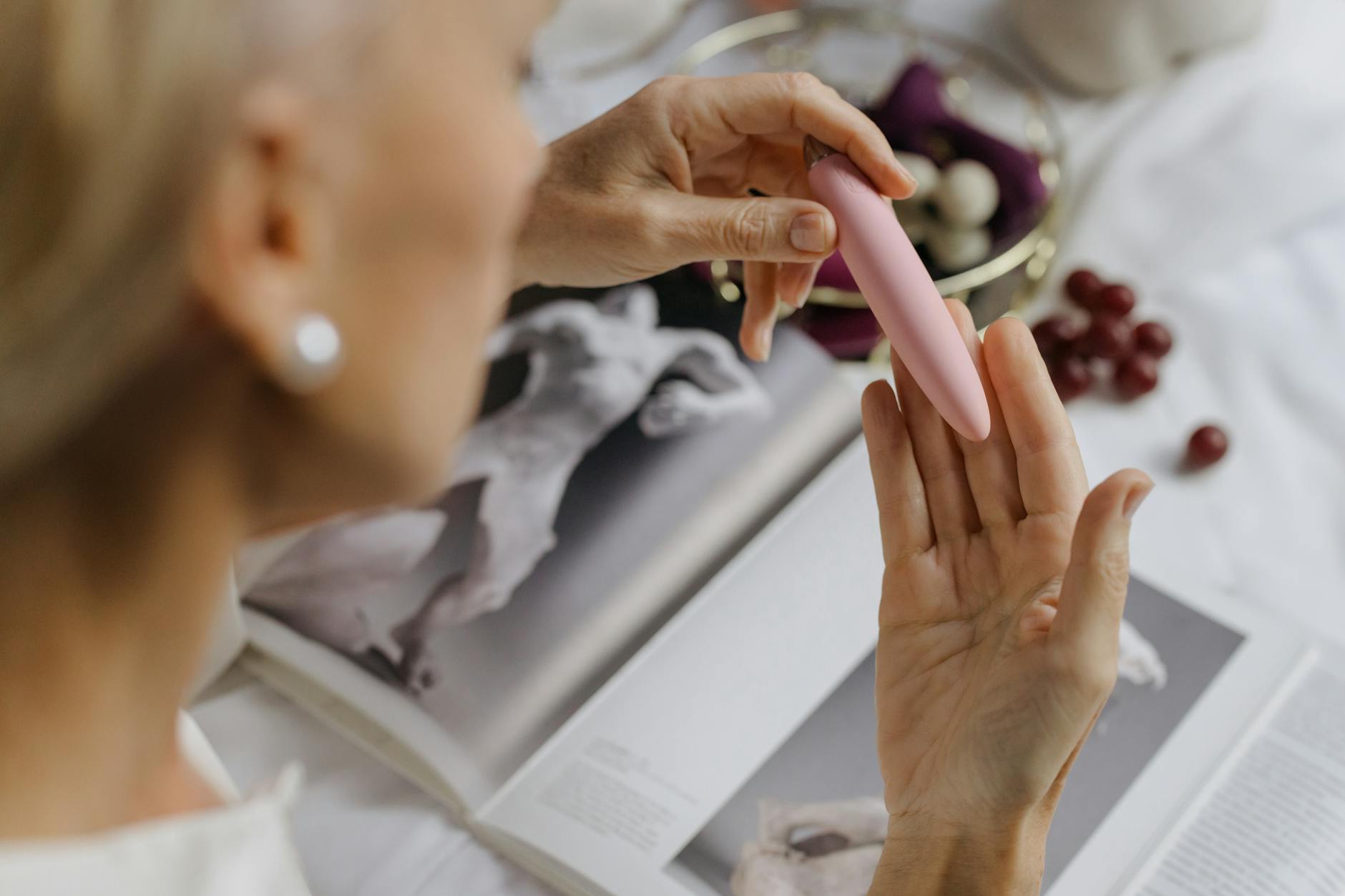
When sensation goes quiet for years, your body hasn't forgotten
Let's be real. You've been numb for so long that orgasm feels like a myth you once heard about. Maybe it's been five years, maybe longer. Your partner touches you and nothing happens. You try alone and get nothing. Orgasms that used to come easily now feel impossible, or maybe they never happen at all.
Here's what matters: long periods without sensation don't destroy your capacity for pleasure. They don't erase the neural pathways. They just make the wiring quiet.
Why clitoral numbness happens and sticks around
Clitoral sensation fades for more reasons than most people realize. The obvious culprits are hormonal shifts, antidepressant medications, and reduced blood flow from stress or anxiety. But there's a deeper pattern that catches most people off guard.
When your body stops receiving regular stimulation over months or years, the nerve endings essentially enter a dormant state. This isn't damage. It's your nervous system adapting to silence. The tissue is still there. The nerves haven't died. But they've gone quiet because they stopped being called on to do their job.
This is why numbness that started from one cause often persists even after that cause is gone. You stopped having sex during a difficult relationship, so your body quieted down. The relationship ended, but your nervous system stayed in that protective state. Antidepressants worked but numbed sensation as a side effect. You came off them, but your body didn't automatically flip back to baseline.
Another piece: prolonged numbness creates psychological numbness. After years of feeling nothing, many people stop expecting sensation. Your brain stops looking for it. This expectation gap makes the body even less responsive.
The science of rewakening clitoral response
Your clitoral nerves are there. They're waiting. What they need is consistent, patient stimulation that wakes them up gradually without overwhelming them.
This is where lemon vibrators matter. The suction and gentle pulsation work differently than fingers or traditional vibration because they engage the nerves without the intensity that makes a dormant body tense up and shut down harder. The pattern of stimulation tells your nervous system: it's safe to respond again.
When you've had no sensation for years, jumping straight to high-intensity vibration often backfires. Your body doesn't know how to receive it. The clitoris tenses. You feel pressure instead of pleasure. Then you stop trying, and your brain confirms what it already believed: this doesn't work for you anymore.
Low-intensity, consistent suction stimulation works better because it's almost impossible to tense against. It's not something your pelvic floor can fight. Instead, it gradually teaches your nervous system that sensation is happening, it's not dangerous, and it's worth paying attention to.
Starting from zero sensation. The realistic timeline
Honestly, if you've had no sensation for years, rewakening it takes time. Not five minutes. Not one session. Weeks or months of consistent practice.
But here's the encouraging part: response usually returns faster than you'd expect, once you start consistently. Many clients report noticing some kind of response within two to four weeks of regular use. It might not be orgasm. It might just be tingling. It might be the first time in years you felt your clitoris at all. That's the win.
The goal in the early weeks is not orgasm. It's sensation. It's awareness. It's training your body to recognize a signal.
How to actually start if you've had years of numbness
Three non-negotiable rules if your clitoris has been quiet for years.
Rule one: start at the lowest setting. On a lemon vibrator, patterns one through three. Your instinct will be to jump higher. Resist it. Low intensity is not a compromise. It's the protocol that works. High intensity is what keeps you stuck.
Rule two: use lube, even if you're aroused. Your tissue has been quiet. It needs moisture to respond. Water-based lube makes everything easier and removes the friction that causes your body to contract against stimulation instead of opening to it.
Rule three: set a timer for fifteen minutes, then stop. Not because stimulation stops working after fifteen minutes, but because your brain gets impatient and your body picks up on that impatience. A short, consistent session is better than a long one where you're checking for results.
Do this three to five times a week. Same time if possible. Your nervous system learns rhythm and starts to anticipate it.
The mental part is not separate from the physical part
When sensation has been gone for years, your brain has built strong beliefs: this doesn't work for you, your body is broken, orgasms are not in your future. These aren't wrong thoughts. They're protective thoughts your mind created because trying and failing hurt.
The rewaking isn't just about the vibrator. It's about gently challenging those beliefs. Not by forcing positive thinking. But by showing your body tiny pieces of evidence that sensation is possible.
The first time you feel a tingle with a lemon vibrator after years of nothing, that's evidence. The second time you feel warmth building, that's evidence. By week four, when your body starts generating lubrication on its own during stimulation, that's your nervous system saying: okay, we're doing this again.
Don't rush past these early signals looking for an orgasm. That's how people give up. The tingle is the win. The warmth is the win. The fact that you felt your clitoris contract is the win.
When numbness is tied to medication or hormones
If your sensation loss is connected to antidepressants or hormonal shifts, you have options. Talk to your prescriber about switching timing, dose, or medication. Sometimes small adjustments make a huge difference. But also know that even if you don't change anything medication-wise, your body can rewaken sensation alongside whatever you're taking.
If the numbness came from hormonal shifts (menopause, stopping birth control, etc.), your baseline may have changed, but sensation isn't gone. It's just arrived at a different set point. Lemon vibrators can meet you at that new point and build from there.
Patience is the actual strategy
Every person whose sensation has returned after years of numbness says the same thing: I almost gave up. I thought this really was over. Then one day something shifted.
That shift usually comes around week four or five, when your body has had enough consistent, gentle signals that it starts to believe you're serious about this. Your nervous system stops guarding so hard. Your pelvic floor relaxes. And then sensation starts to return.
It's not dramatic. It's not an explosion of feeling. It's a slow warming. A gradual awareness. A sense that your body is waking up from a long sleep. And then, maybe weeks or months later, an actual orgasm. Not because something magical happened. Because you showed up consistently, used the right tool, and refused to believe your body's silence was permanent.
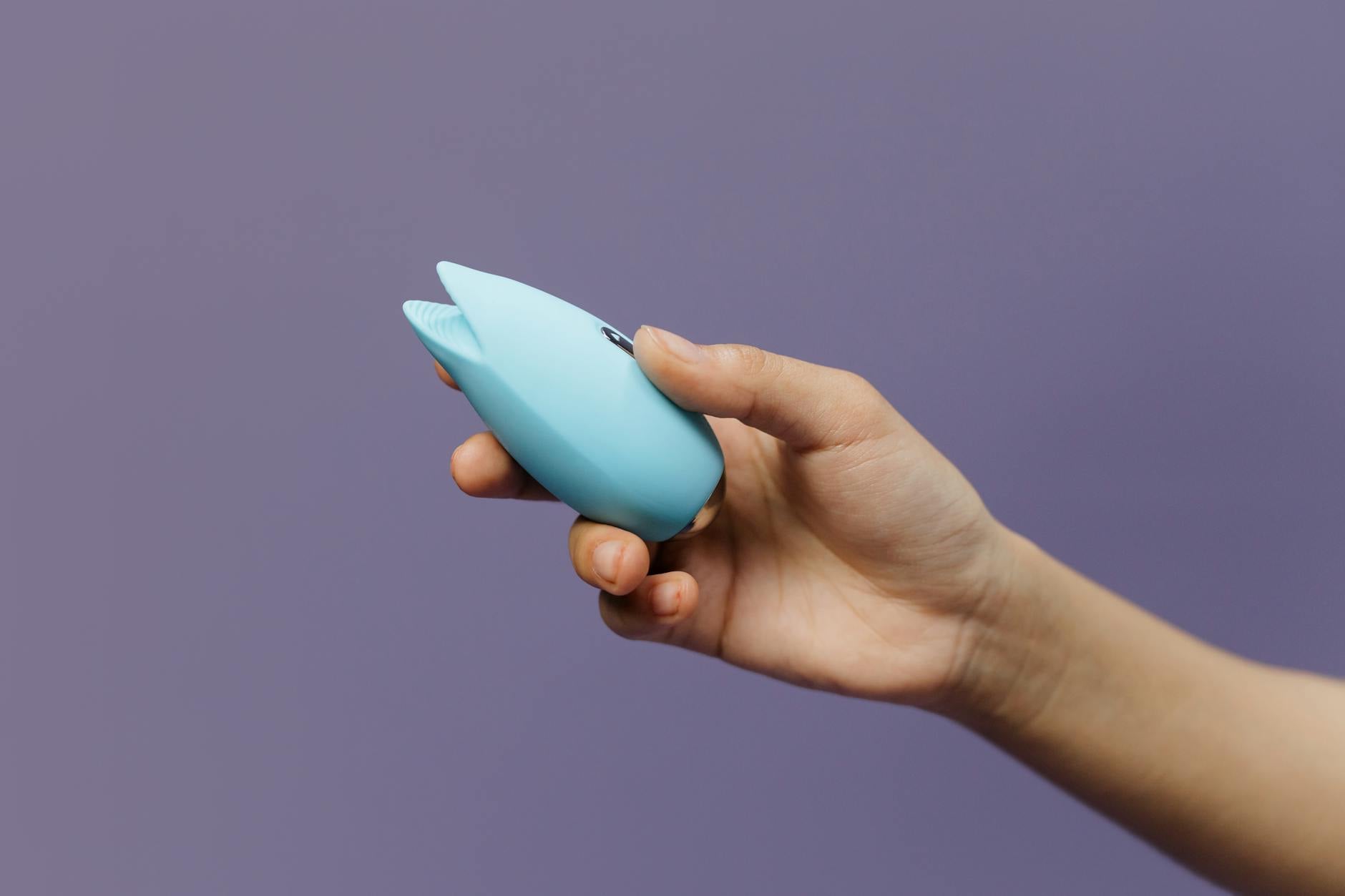
Photo by cottonbro studio on Pexels
How partners can support this process
If you're doing this work with someone, one clear conversation matters: this isn't about them. It's not that they're not attractive or not doing things right. Your numbness is a physiological reset that only your body can manage. A partner's role is to hold space, not to try to fix it.
Many couples make the mistake of treating sensation rewaking as performance. They add pressure. They ask for progress reports. Your body hates this. It goes deeper into protective mode.
Instead, it helps if your partner understands that solo practice is the foundation. The rewaking happens between you and your body, with a lemon vibrator, in privacy, with no expectation. Once sensation starts returning in solo play, partnered touch becomes easier. But trying to shortcut that and jump straight to partnered sex usually stalls everything.
When to seek professional support
If you've been consistently practicing with a lemon vibrator for eight weeks and feel absolutely nothing, talk to a gynecologist or sexual health specialist. Sometimes numbness is a signal of something that needs medical attention. Nerve damage, severe hormonal imbalance, or vascular issues are rare, but they exist and they're treatable.
Also consider talking to a therapist if the years of numbness came attached to trauma, relationship pain, or deep shame. Sometimes the sensation doesn't return until you've done some emotional work around what the numbness was protecting you from.
Frequently asked questions
How long does it really take to feel sensation again after years of numbness?
Most people notice some response within two to four weeks of consistent practice at low intensity. But full sensation and orgasm often take two to four months. This isn't slow. This is fast for a nervous system that's been dormant for years. The timeline depends on how long the numbness lasted, whether medication is involved, and your stress level.
Can I use a regular vibrator instead of a lemon vibrator for this?
You can try, but suction vibrators like lemon clitoral vibrators tend to work better for dormant sensation because they create a different type of stimulation. Traditional vibrators can feel too intense or scattered on tissue that's been numb. Suction is more focused and easier for your body to respond to without tensing against it.
What if I start feeling something and then it disappears again?
This is common and usually happens when you jump intensity too fast or skip sessions. Your nervous system is rebuilding trust. Consistency matters more than intensity. If sensation disappears, go back to your lowest setting and rebuild from there. This setback is not failure. It's your body asking you to slow down.
Is orgasm possible after years of numbness, or should I let that goal go?
Orgasm is possible. But it's not the goal. The goal is sensation. The goal is your body waking up and feeling alive again. Orgasm often follows, but not always immediately. Some people regain sensation but find their orgasm looks different than it used to. That's still success.
Does stress stop the rewaking from happening?
High stress slows everything down. Your nervous system stays in protection mode. If you're in chronic stress, addressing that (therapy, sleep, movement, time off) will make the sensation rewaking faster. But you don't need perfect calm to start. You just need to do the practice and let the rest catch up.
Should I tell my partner about this work, or keep it private?
That's your call. Some people find privacy protective early on, then share progress later. Others loop their partner in from the start. What matters is that your partner knows this isn't about them and that they're not expected to be part of the solution. You are.
The years of numbness are not the end of your story
I've worked with many couples where one partner spent years convinced their body was broken, their pleasure was gone, their capacity for sensation was finished. And then, with patience and the right tools, the body woke up. Not overnight. But steadily.
Your clitoris is still there. The nerves are still there. They've just been quiet. A lemon vibrator at low intensity, used consistently, is one of the most effective ways to teach them that it's safe to be loud again.
Start this week. Pick a time. Set a timer for fifteen minutes. Use lube. Stay at patterns one through three. And then show up again three days later and do it again. Not because you expect instant results. Because you're sending your body a message: I haven't given up on you. Your pleasure matters. We're doing this together.
If you have questions about rebuilding sensation or want to talk through what might work best for your body, we're here. Reach out and let's figure this out.