Let's start by normalizing this
Your arousal takes time. That's not a problem. That's biology, stress, relationships, and sometimes just how your nervous system works. The pressure to get "ready" in five minutes is garbage, and it's causing real friction in real bedrooms.
Here's what I've seen in twenty years of working with couples: the people who stop fighting their arousal timeline and start working with it are the ones who actually enjoy sex more. That sounds simple because it is. But it requires rewiring everything you've been taught about how arousal should work.
Why arousal sometimes needs a longer runway
There are about fifteen reasons arousal takes longer for some people, and most of them have nothing to do with desire or attraction. Let me walk you through the big ones.
Stress shuts down the parasympathetic nervous system. Your body can't get aroused while it's running a threat assessment. If you're managing a deadline, worrying about money, thinking about your in-laws, or carrying the mental load of your household, your nervous system doesn't have room to build arousal. It's not being difficult. It's being protective.
Medication changes arousal too. SSRIs, birth control pills, blood pressure meds, and antihistamines all affect how quickly arousal builds. Some people don't even realize the change happened because it came on gradually. You didn't lose desire. Your neurochemistry shifted.
Age changes arousal responsiveness. Not in some dramatic cliff-dive way, but in measurable ways. After 35 or 40, blood flow patterns change slightly, hormonal cycles shift, and the body needs more time to prep tissue. That's not decline. That's just how bodies age, and it's completely workable.
And sometimes arousal just takes longer because that's how your body is wired. Some people are sprinters. Some are distance runners. Neither is better.
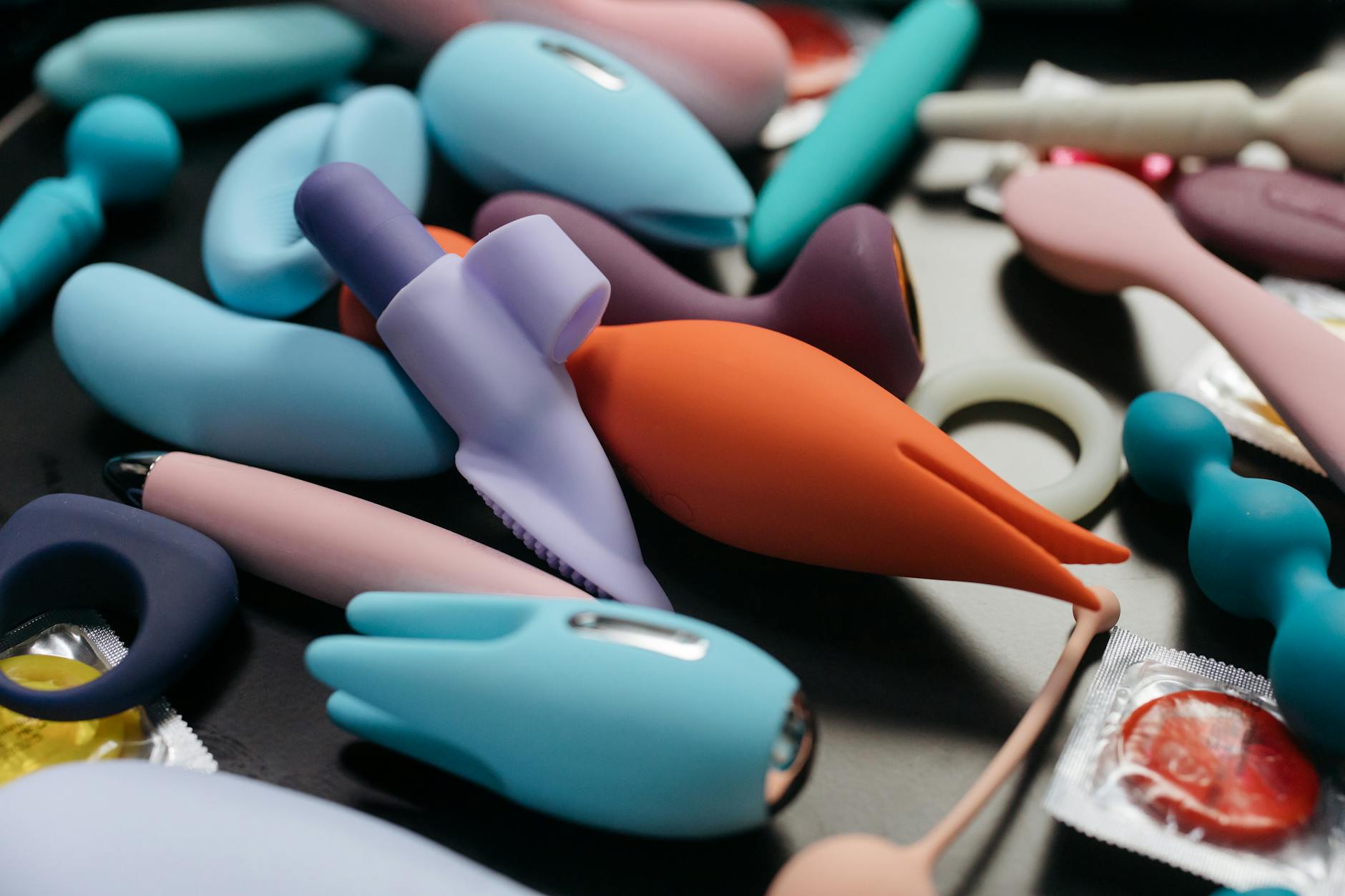
Photo by cottonbro studio on Pexels
The arousal building architecture that actually works
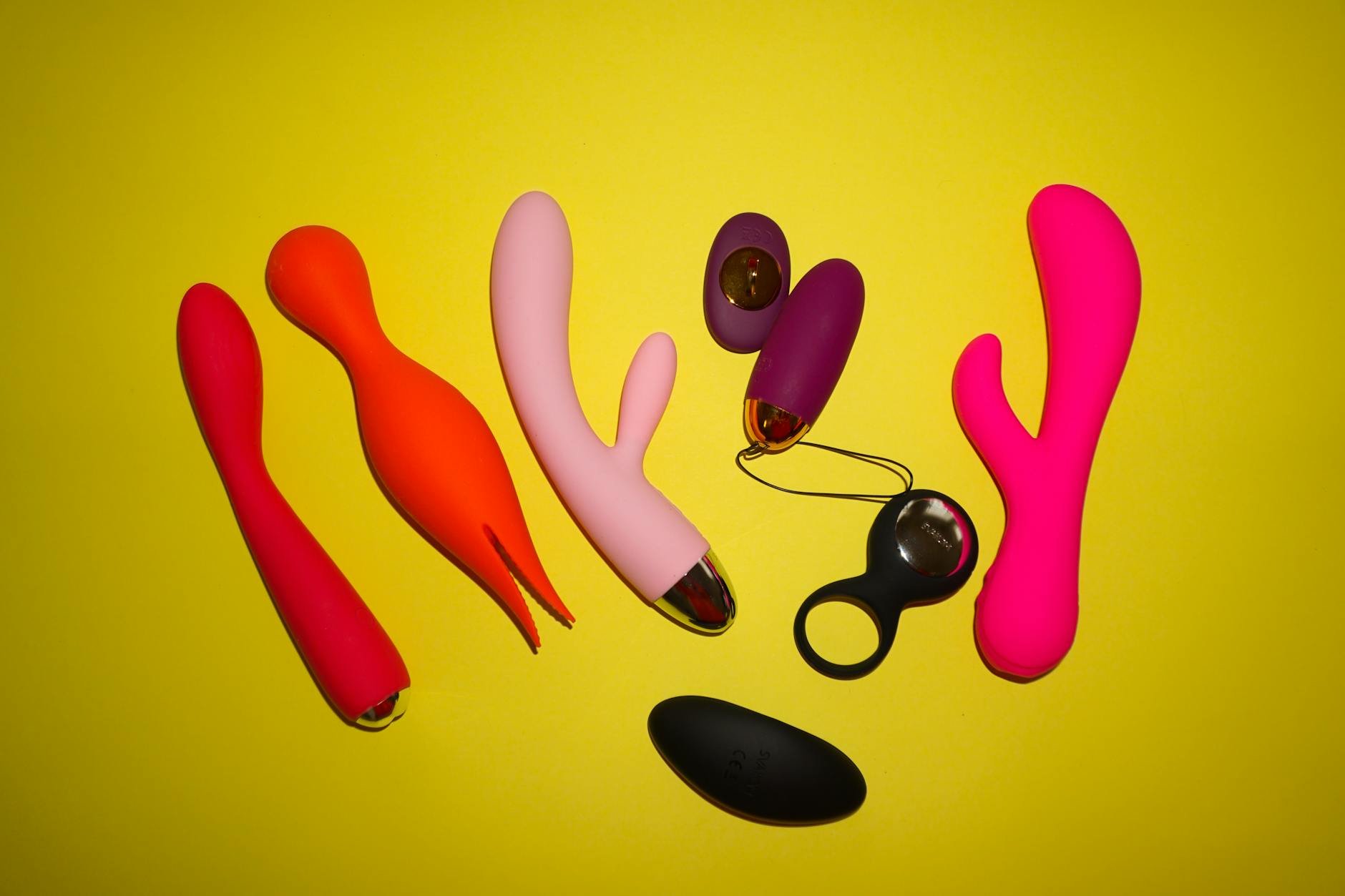
Instead of trying to rush arousal, let's build it in layers. This is where clitoral vibrators like the Lemon Intimate Toy's lemon vibrators become genuinely useful. They don't force arousal. They extend and deepen it.
Layer one: the mental setup. You can't add external stimulation to an anxious nervous system and expect it to work. Before anything physical happens, you need to mentally clear space. That might mean putting your phone in another room. It might mean a shower, or a conversation with your partner about what you need, or thirty minutes where you're just not responsible for anyone else. This sounds unrelated to using clitoral vibrators, but it's the foundation everything else sits on.
Layer two: extended foreplay without performance pressure. When arousal takes longer, you don't speed it up by pushing harder. You expand what foreplay is. That means touch that isn't "foreplay leading to sex" but is just touch. Hands, mouths, skin. No clock. No destination. With a partner, this is where the conversation gets important. You're not asking them to "turn you on faster." You're asking for longer, slower buildup. That's different and it matters.
Layer three: introducing the vibrator at the right moment. Most people use vibrators too early or too late. Too early and you've got an anxious nervous system trying to respond to intense sensation. Too late and you're frustrated and checked out. The right moment is when you feel the very first shift. Heat. A slight change in breathing. A tiny pulse of interest. That's when introducing a lemon vibrator makes sense.
Layer four: matching the vibrator intensity to your current arousal level. The Lemon Intimate Toy's lemon clitoral vibrator has multiple intensity levels for this exact reason. Start at level one or two. Let the vibration build your arousal gradually. You can increase intensity as your body becomes more responsive. This matters because intensity and arousal need to move together. Jump straight to high intensity and you're asking your body to keep up with something it's not ready for.
The partner conversation that changes everything
If you're in a relationship, the logistics of slow arousal need a conversation. Not during sex. Before. When you're both clear and not vulnerable.
What I recommend: "My arousal takes longer to build than it used to. This isn't about you or how attracted I am. It's just how my body works right now. What I need is more time and lower pressure. If we can plan for longer, more relaxed sessions instead of quickies, and if you can help me not rush myself, that changes everything."
Then you get specific. Longer doesn't mean indefinite. It means 30 minutes instead of 10. Or 45 instead of 20. You both know what you're working with. You both can prep mentally for it. And your partner isn't left guessing or taking it personally.
Most of the conflicts I see around "slow arousal" aren't actually about arousal. They're about unmet expectations and a partner who feels rejected because they don't understand what's happening. The conversation solves both problems.
What lemon vibrators do specifically for slow arousal
Clitoral vibrators work differently than internal vibrators, and that matters for arousal building. They're consistent. They don't require your body to do the work. They provide steady stimulation that your nervous system can gradually become more responsive to.
This is why the suction-based design of lemon intimate toys is particularly useful. Instead of just vibration, you're getting a gentle pulling sensation that mimics oral sex. For slow arousal, that layered sensation is easier for your body to build on than pure vibration would be. It feels richer. It engages more nerve pathways.
The other thing: because a lemon clitoral vibrator is designed to stay in place, you don't have to manage it while also trying to relax. You can focus entirely on your arousal and your partner's touch instead of holding something or adjusting it. That mental space is everything when you're building arousal slowly.
The timeline shift that matters most
Here's what I notice happens when people stop fighting their arousal timeline: sex gets longer. Orgasms get more intense. Satisfaction increases. Not because they're trying harder, but because they've stopped treating their body like it's broken.
Slow arousal often leads to longer buildup, which leads to more blood flow to the clitoris, which leads to more nerve activation, which leads to genuinely stronger orgasms. The math is simple. More time equals more potential intensity.
But only if you stop resenting the time.
That's the real work. Not the vibrator. Not the technique. Learning to be patient with your own body instead of punishing it for not working like someone else's.
The practical adjustments
Four specific things to try this week:
Schedule sex instead of waiting for spontaneous desire. When arousal takes longer, spontaneity becomes a problem. You're waiting to feel ready, which means you're waiting for a moment that might not happen in your normal chaos. Planning an evening gives your nervous system time to anticipate it and settle into it.
Use a vibrator earlier in the building phase than you think you should. Most people wait until they're already quite aroused. Try introducing a lemon vibrator when you're maybe 25 percent there. Let the sensation help build you the rest of the way.
Lower the intensity and extend the duration. Instead of using a vibrator on high for five minutes, try low or medium for 15 or 20 minutes. The extended gentle stimulation builds arousal more effectively than intense short bursts.
Separate arousal building from the rest of sex. Instead of trying to use the vibrator to reach orgasm, use it just to build arousal. Separate that goal from penetration or partnered sex. Let arousal be its own phase with its own timeline.
FAQ: Slow arousal and clitoral vibrators
How do I know if slow arousal is normal or a sign something's wrong?
If your arousal is slow but it's always been slow, and you ultimately feel good and can reach orgasm, it's normal. If arousal suddenly got much slower and it bothers you, or if it's accompanied by pain or numbness, talk to a healthcare provider. Medication changes, thyroid issues, and hormonal shifts can all affect arousal speed. But slow arousal by itself isn't a problem to fix. It's a timeline to work with.
Can using lemon vibrators help if I'm on antidepressants that slow arousal?
Partially. SSRIs do slow arousal for many people, and switching timing or medication might help, but that's a conversation for your prescriber. What a clitoral vibrator can do is provide more direct stimulation that your body can respond to more easily, even if the response is slower. It's not a fix for medication side effects, but it can be a workaround.
How long should arousal take? Is there a normal?
Nope. There's a range. Some people are ready in five minutes. Some need 30. Some need 45. As long as you're getting where you need to go eventually, and you're not resenting the time it takes, you're fine. The problem isn't slow arousal. It's slow arousal plus pressure to rush.
If I use a vibrator early in arousal building, will I become dependent on it?
No. Your body doesn't lose the ability to build arousal without a vibrator if you sometimes use one. Think of it like listening to music while you work. Sometimes you work better with it, sometimes without. It's a tool, not a replacement.
Should my partner do something different if my arousal takes longer?
Yes. They should slow down their own pacing to match yours. If they're ramping up while you're still building, you're both frustrated. The goal is synchronicity, not speed. Longer, slower touch. More conversation. Less pressure to reach a destination.
What if my partner gets impatient waiting for me to be aroused?
That's a relationship issue, not an arousal issue. And it matters. A partner who can't slow down and match your pace is choosing efficiency over your pleasure. That's worth addressing directly, ideally with a couples therapist or in a calm conversation. You can't fix arousal imbalance if the relationship dynamic won't support it.
What actually changes when you stop rushing
When couples let arousal take the time it needs, I see a few consistent things happen. Resentment around sex decreases. Satisfaction increases. Orgasms become more reliable. And sex stops being something you're trying to accomplish and starts being something you're actually enjoying.
That shift happens because you've stopped fighting your own body. You've stopped treating slow as a flaw. You've started using tools like clitoral vibrators not to speed things up, but to support the actual timeline you have.
Your arousal isn't broken. Your relationship with time isn't either. Both just need permission to work differently than you've been taught they should.
If slow arousal is causing real friction in your relationship or your own experience, let's talk about what else might be going on. Reach out to Lemon Intimate Toy and we can help you figure out what you actually need.