The thing nobody warns you about
Antidepressants save lives. They also completely rewrite how your body experiences pleasure. When you start an SSRI, you often lose sensation in your clitoris before you lose it anywhere else. It's one of the cruelest side effects nobody mentions at the appointment. Then, months or years later, when you switch medications, lower your dose, or your body adjusts, sensation can come roaring back. Except it's not the same. Sometimes it's sharper. Sometimes it's muted in weird ways. Sometimes you don't recognize it at all.
Here's what I need you to know: this is normal, it's not permanent, and there are specific ways to explore pleasure again that actually work.
Why SSRIs change clitoral sensation in the first place
SSRIs work by increasing serotonin availability in your brain. That's their job. The side effect of sexual blunting happens because arousal, orgasm, and sensation all rely on a delicate balance between serotonin and dopamine. When serotonin floods your system, dopamine takes a back seat. Dopamine is the neurotransmitter that drives desire and the physical sensations that come with it.
But here's the twist: when you change your medication or your dose shifts, your brain chemistry stabilizes at a new point. You're not numb because the medication is working wrong. You're experiencing a transition period where your nervous system is recalibrating. This recalibration is temporary, though it can last weeks or months.
Clitoral sensation is particularly vulnerable because the clitoris has one of the highest concentrations of nerve endings in your body. Small neurochemical shifts hit hard there. That's also why sensation often returns first there when things start to balance again.
What you might feel when sensation returns
Three common patterns emerge.
First: everything feels too intense too fast. After months of numbness, normal stimulation might feel almost painful. This happens because your nervous system has adjusted to dampened input. When the volume suddenly cranks back up, your brain registers it as louder than it actually is.
Second: you feel sensation but no arousal. Your clitoris responds to touch, but you don't feel turned on. This is a mismatch between physical sensation and emotional desire. It can feel deeply disconnected and weird.
Third: arousal and sensation are present but orgasm feels unreachable or completely flat. You can feel yourself getting closer, but the pathway to release is blocked. This is incredibly frustrating and, honestly, more common than most people admit.
Starting over with lemon vibrators
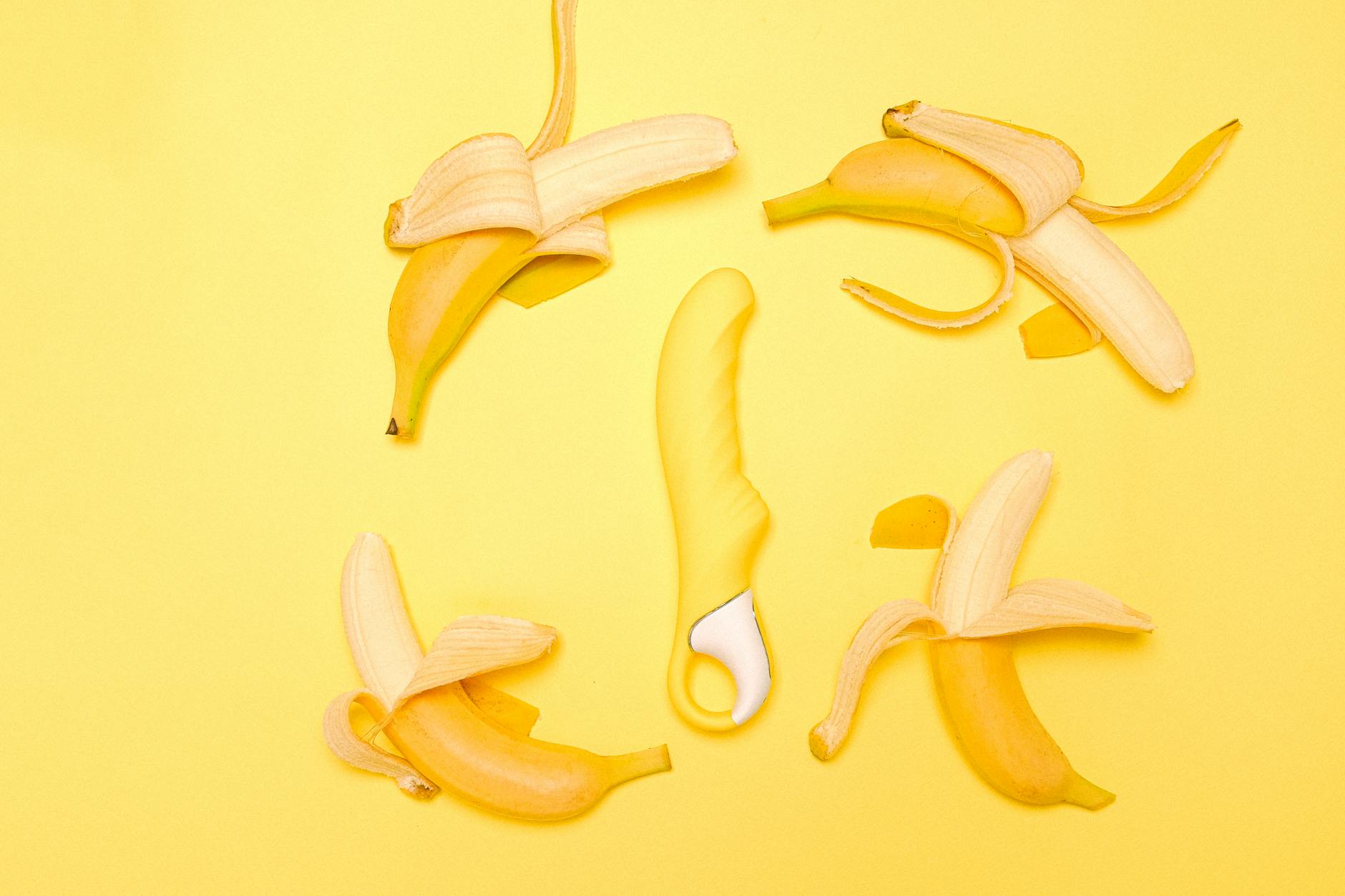
Lemon clitoral vibrators are particularly useful during medication transitions because they offer precision and gradation. Unlike fingers or partners' hands, a vibrator gives you consistent, repeatable stimulation at a level you control completely.
Here's the approach that actually works:
Week 1-2: Sensation mapping. Before you touch your clitoris with the vibrator, spend a few days exploring with your fingers alone. Use a clock system: twelve o'clock is the top, three o'clock is the right side, six o'clock is the underside (super sensitive), nine o'clock is the left. Find which spots feel good and which feel too sharp. Write it down. This map becomes your guide.
Week 3: Introduction at the lowest settings. Take your lemon clitoral vibrator and start with pattern 1 or 2 on the lowest intensity. Place it on the areas that felt good in your finger exploration. Don't move it around constantly. Let your nervous system register the sensation without chasing orgasm. This is data gathering, not performance.
Week 4 onward: Build slowly. Once you can handle the lower patterns without discomfort, move to medium intensity. Experiment with different areas. Try patterns 3 and 4. The key here is patience. You're teaching your brain that pleasure is safe again.
Managing the intensity gap
One of the hardest parts of this transition is that antidepressant-altered sensation often requires more intensity to feel "normal," even after the medication changes. This can feel like a trap. You need more stimulation to reach orgasm, but more stimulation triggers anxiety about how much you need.
Here's what helps: separate arousal from performance. You're not trying to have an orgasm right now. You're trying to learn what your body actually wants. This shift in intention changes everything.
Many of my clients also find that combining lemon vibrators with longer warm-up time makes a real difference. Spend 15 to 20 minutes with external clitoral stimulation before reaching for the vibrator. Your clitoris engorges and becomes more responsive. When you finally introduce the vibrator, it feels more intense because your tissue is actually more active, not because something is wrong.
If you're in a partnered situation
Honestly, this is where the invisible stress lives. Your partner might feel confused about why you suddenly need different types of touch, why lemon vibrators are part of the picture now, or why sensation feels unpredictable. They also might have their own medication-related changes happening simultaneously.
The conversation that actually works goes like this: "My body is adjusting to medication changes, and pleasure feels different right now. I want to explore that with tools that help me understand what I'm feeling. This isn't about anything you're doing wrong. It's about me learning my own body again."
Then introduce the vibrator together, without pressure to reach orgasm. Many couples find that using a lemon vibrator during partnered sex becomes a way to reconnect because there's less performance anxiety. The vibrator does the repetitive work, and your partner can focus on closeness, touch, and attention.
When to see someone
If sensation doesn't start returning after three to four months of medication changes, or if sensation returns but remains completely disconnected from arousal, talk to your prescriber. Sometimes switching to a different SSRI class, adjusting timing, or adding something like wellbutrin (which affects dopamine) makes a real difference.
Genito-pelvic pain or dysfunction can also appear during medication transitions. If you're experiencing pain, not just numbness, that's worth medical attention too.
Most importantly: your pleasure matters. You're allowed to take time to rebuild it, use the tools that actually work, and be patient with your body while it remembers how to feel.
FAQ: Antidepressants, sensation, and getting back to pleasure
How long does clitoral sensation take to return after changing antidepressants?
It varies widely, but most people notice changes within four to eight weeks. Some feel it in days. Others take three to four months. Dosage matters too. Lowering your dose typically means faster sensation return than completely switching medications. If nothing has changed after four months, it's worth a follow-up with your prescriber.
Can I use lemon vibrators while I'm still on an SSRI that's numbing my sensation?
Yes, though you might not feel much initially. Many people find that using a vibrator regularly while on SSRIs actually helps maintain some connection to pleasure, even if the sensations are muted. Think of it as keeping the neural pathways active. When your medication situation changes, you're already in the habit of exploring.
Does using a vibrator make it harder for sensation to return naturally?
No. This is a common fear and it's unfounded. Using a lemon vibrator doesn't slow down your body's ability to recalibrate. If anything, consistent, gentle stimulation might help your nervous system adjust more smoothly because you're sending steady signals that pleasure is happening.
What if sensation returns but orgasm still feels impossible?
This is actually really common and it's almost always temporary. The pathway from arousal to release is a separate circuit from sensation itself. Try adding longer warm-up, removing the orgasm goal entirely (just explore pleasure for its own sake), or experimenting with different vibration patterns. Some people find that switching between intensity levels rather than staying at one pattern helps. Your clitoris might need variety while it's recalibrating.
Should I tell my partner about medication-related pleasure changes?
If you're in an intimate relationship with someone, yes. You don't need to share every detail about your medication or your body, but "my body is adjusting and I want to explore pleasure differently" is information that actually helps them. It reframes the change as temporary and intentional rather than as withdrawal or loss of attraction.
Can I damage my clitoris by using vibrators while sensation is returning?
No. Your clitoris is resilient. What you might experience is temporary overstimulation, which feels unpleasant but isn't harmful. That's actually useful feedback. It tells you to scale back intensity and give yourself recovery time. If you're gentle and responsive to what your body tells you, lemon vibrators are safe during this transition.