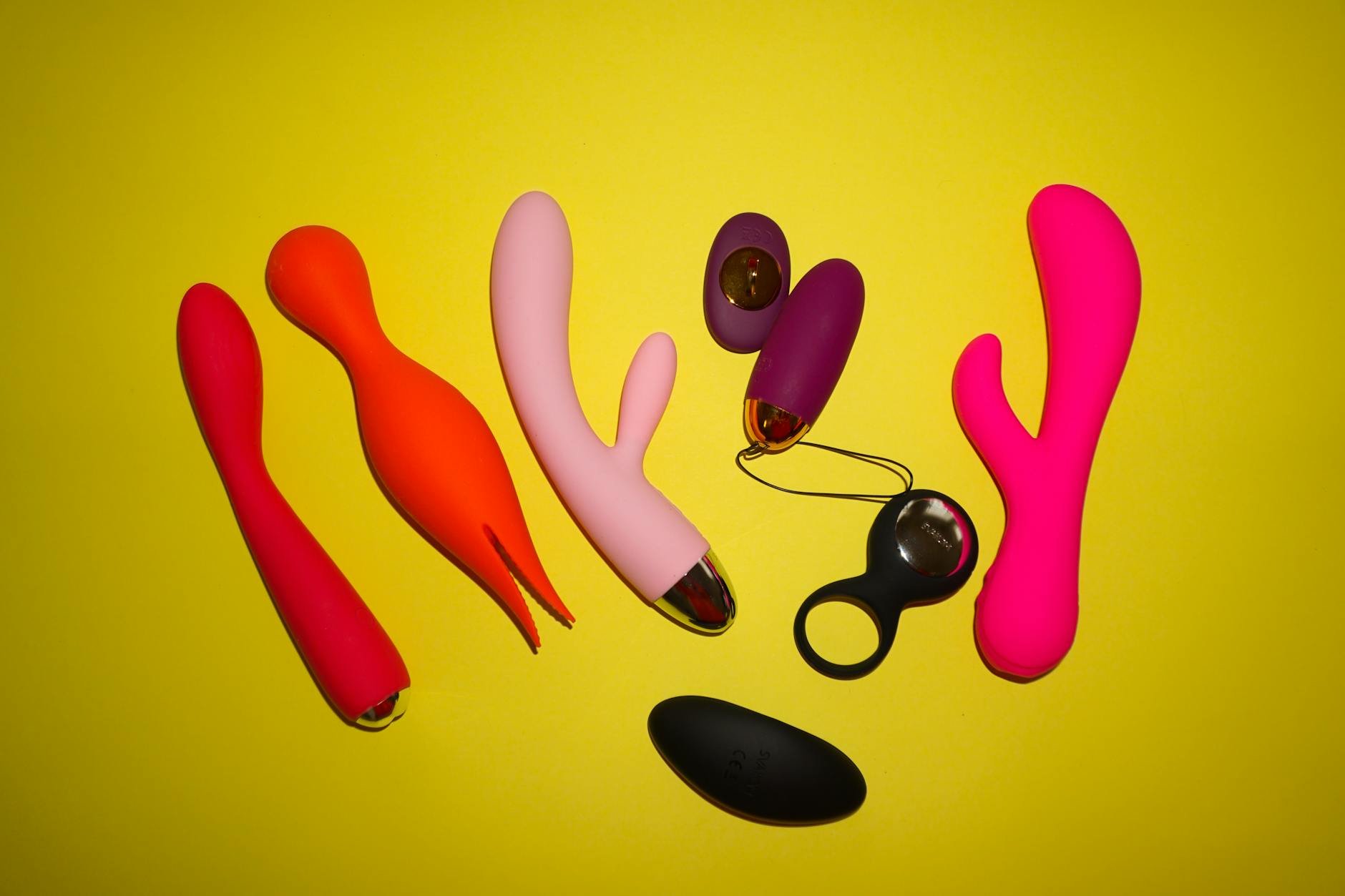
Let's be real about sexual anxiety
Your mind is racing. Your body won't cooperate. You're hyper-aware of every touch, every sound, every perceived flaw. You want to enjoy intimacy but instead you're stuck in your head, watching yourself have sex rather than having it. This is sexual anxiety, and it's wildly common. It also doesn't mean something's broken about you.
Sexual anxiety exists on a spectrum. For some people it's a whisper during partnered sex. For others it's a full-body freeze that makes solo pleasure feel impossible. The mechanism is the same: your nervous system has decided that sex equals danger, and it's working overtime to protect you. The irony is that this protection actually blocks the very thing you want most.
Here's what I've learned from working with clients: lemon vibrators, particularly suction-based models like the clitoral vibrator from Lemon Intimate Toy, can short-circuit this pattern. Not by forcing pleasure, but by giving your nervous system something concrete to anchor to.
Why anxiety hijacks your arousal in the first place
When you're anxious, your sympathetic nervous system (the accelerator) is floored while your parasympathetic nervous system (the brake) barely registers. Arousal requires the opposite setup. It needs your body to feel safe enough to slow down, to notice sensation, to let go of control.
Anxiety is fundamentally about control. You're trying to manage the outcome, monitor your performance, predict what your partner is thinking. None of these activities are compatible with pleasure, which requires surrender.
Add to this: anxiety creates physical tension. Your pelvic floor clenches. Your breathing gets shallow. Blood flow pools in your chest and head instead of your genitals. Touch that should feel good becomes background noise because your system is too activated to process it. Traditional vibrators sometimes amplify this because they demand active engagement. You have to know where to place it, maintain contact, sync the rhythm with your own arousal. That's another thing to manage when your nervous system is already in crisis mode.
Why lemon clitoral vibrators work differently for anxious bodies
Lemon vibrators use suction and pulse technology rather than direct vibration alone. This matters neurologically. Suction engages the clitoris in a way that doesn't require precision or active repositioning. You apply it and it creates its own gentle seal. There's no fiddling, no adjustment anxiety, no wondering if you're using it right.
The sensation itself is distinctive enough to pull your attention into your body. When your mind is racing, you need a sensation strong enough to interrupt the loop. Suction does this naturally. It's insistent but not harsh. It creates rhythm and pressure without the needle-like precision of traditional vibration, which can feel intrusive when you're already activated.
Second, the design allows for passivity. You don't have to do anything. No technique required. This is the opposite of performance anxiety. You can literally just lie there and receive sensation. For anxious bodies, this permission to be still is radical.
How to set up your environment first
Before you touch a lemon vibrator, your nervous system needs to know it's safe. Environment isn't frivolous. It's foundational.
Start small: close the bedroom door, dim the lights, and silence your phone. Not because the world will end, but because your anxious brain is monitoring for threats. Every notification, every sound, every awareness that someone might knock reinforces the pattern that sex isn't safe. You're building a narrow container of time and space where nothing else has permission to intrude.
Temperature matters. Being cold activates your sympathetic nervous system. Have a blanket nearby, keep the room warm. Wear comfortable clothes you can easily remove or keep on (pressure from clothing can help some anxious bodies feel grounded).
If you tend toward performance anxiety with a partner, start solo. This is not failure. This is strategic. Your nervous system needs to learn that pleasure happens in this body, in this space, without judgment. Solo play is where you build that evidence.
The actual technique: starting slow with your lemon vibrator
Charge your device. Read the manual quickly so you're not wondering during the experience.
Lie down and spend 10 minutes doing nothing but breathing. In for four counts, out for six. This activates your parasympathetic nervous system. You're literally using breath to downshift your nervous system. This is not wasted time. This is the work.
Touch yourself without the vibrator first. Hands on your body. Notice what feels good, what feels neutral. You're building data that pleasure is available here. Anxiety tells us we can't feel anything. Evidence tells us we can.
When you pick up the lemon vibrator, start on the lowest setting. Apply it to your inner thigh first, not your clitoris. Let your nervous system get curious about the sensation without the pressure of trying to orgasm. You're training your body that this device equals something interesting, not something that requires performance.
Move to your clitoral area slowly. Some people need to go through underwear or a thin fabric at first. The layer of separation can help anxious bodies feel less exposed. There's no rule against this. Do what your nervous system needs.
Notice the sensation. What does it feel like? Rhythmic? Warm? Tingling? Pulling your attention into sensation is literally the opposite of the anxious thought loop. When your mind wanders (it will), gently return focus to what your body is experiencing.
What to do when anxiety shows up mid-experience
It will. Your mind will pull you back into worry. Your body will tense. This isn't failure. This is information.
When you notice yourself getting in your head, pause the device. Don't stop entirely. Just pause. Return to breathing. In for four, out for six. Place your hand on your heart and notice that you're safe, alive, here. This is grounding.
Then restart the vibrator. The pause is the whole thing. You're teaching your nervous system that anxiety doesn't mean stop completely. It means pause, reset, and continue. This is how you build resilience.
If you get stuck in the loop again, turn the device off and just rest. You're not failing. You're collecting data about what your nervous system needs. Maybe you need softer lighting. Maybe you need a different time of day. Maybe you need to do this five more times before your body believes it's safe. All of these are normal.
How to use lemon vibrators with a partner when anxiety is present
The dynamic shifts when another person is there. Their presence, their attention, their expectation all activate your threat detection.
Talk first. Literally say: "I get anxious during sex. It's not about you. My nervous system goes into protection mode and I need to move slowly." This removes the secret, which is where shame lives. Your partner knowing about the anxiety actually reduces it because you're no longer performing while hiding.
Use the lemon vibrator together as a tool for reconnection rather than performance. One partner can hold it while the other receives, then swap. This isn't foreplay. It's a practice in presence. You're learning to receive touch while another person is near.
Start clothed. Yes, really. Touch through fabric. Build the nervous system's belief that intimacy can happen incrementally. The goal is not arousal. The goal is safety.
If anxiety spikes, pause everything. No judgment. No rushing forward. Just pause, breathe together, and try again. The person with anxiety needs to know their partner won't pressure them through the shutdown. Patience is arousal for anxious systems.
When to get additional support
If anxiety during sex is paired with anxiety elsewhere in your life, consider working with a therapist. Sexual anxiety rarely lives in isolation. It's often connected to control, safety, trust, or past experiences. A good therapist can help you untangle the root so you're not just managing the symptom.
If you're on antidepressants or anti-anxiety medication, sexual anxiety might be a side effect. This is worth discussing with your prescriber. Sometimes dosage adjustment or timing can help. Don't assume you have to choose between mental health treatment and sexual pleasure. You don't.
If anxiety is accompanied by pain during sex, that's a different conversation. See a pelvic health specialist. Pain and anxiety create a feedback loop. Treating one often helps the other.
Building a new story with your body
Every time you use a lemon vibrator while calm, you're creating a new neural pathway. Pleasure. Safety. This body. This sensation. No performance. No watching. Just experiencing. Your nervous system will eventually learn that this context equals ease, not danger.
This doesn't happen in one session. It takes time. But each time you pause, reset, and continue, you're retraining the system. You're proving to yourself that your body can hold pleasure even when anxiety shows up. That's the actual transformation.
People also ask
Can you orgasm when you're sexually anxious?
Yes, but it's harder. Anxiety literally blocks the neurological conditions orgasm requires. Your sympathetic nervous system is activated, which means less blood flow to your genitals, mental distraction, and pelvic floor tension. This doesn't mean you're broken. It means your nervous system needs permission to downshift first. Many people find that after 4-6 sessions with a lemon vibrator in a safe environment, their body starts to believe that orgasm can happen here. Then it does.
Does using a vibrator make sexual anxiety worse?
Not if you approach it intentionally. A vibrator can actually interrupt the anxiety loop because it gives your nervous system something specific to focus on. Traditional vibrators with only direct vibration sometimes increase anxiety because they require active engagement and technique. Lemon clitoral vibrators, with their suction-based design, reduce the performance pressure. The key is using it in a calm environment where you're not expecting a specific outcome.
What if I feel guilty about using a vibrator when I'm anxious?
That guilt is worth examining. Often it comes from the belief that pleasure should happen "naturally" or that using a tool means something's wrong. Neither is true. A vibrator is no different than a heating pad for back pain or glasses for vision. It's a tool that helps your body access something that matters. Your pleasure matters. Tools that serve your pleasure deserve zero guilt.
How long should each session be when you're dealing with anxiety?
Start with 15-20 minutes including breathing and setup. The vibrator part itself might only be 5-10 minutes. You're not trying to orgasm quickly. You're building nervous system capacity. As you feel safer, sessions will naturally extend. Some people eventually enjoy 30-40 minutes of solo exploration. The point is patience, not duration.
Can you use lemon vibrators during partnered sex if you have sexual anxiety?
Absolutely. Many people find that having a tool they understand and trust actually reduces anxiety during partnered sex. You know exactly how the vibrator works. There's no ambiguity. The partner's role becomes supportive and present rather than performative. Start with the toy as the main focus, with your partner present and attentive but not pressured to perform. As confidence builds, you can integrate it into partnered intimacy more fluidly.
What if your partner is uncomfortable with you using a vibrator because of their own anxiety?
That's a compatibility conversation. Your partner's comfort and your pleasure both matter. The conversation isn't about choosing one. It's about understanding what the real fear is. Is it about being replaced? About inadequacy? About loss of control? Those fears are treatable. Consider working with a couples therapist who specializes in sexual anxiety. Many people find that addressing the partner's anxiety actually strengthens the relationship because it builds honesty and presence.
The long game
Sexual anxiety won't disappear from one session with a lemon vibrator. But consistent, intentional use in a safe environment rewires your nervous system's relationship with pleasure. Over weeks and months, your body learns that sex can equal ease, not vigilance. That sensation is available even when your mind wanders. That you're allowed to receive without performing.
If you'd like personalized guidance on navigating sexual anxiety or relationship dynamics around intimacy, reach out. Every body deserves to feel safe during pleasure.