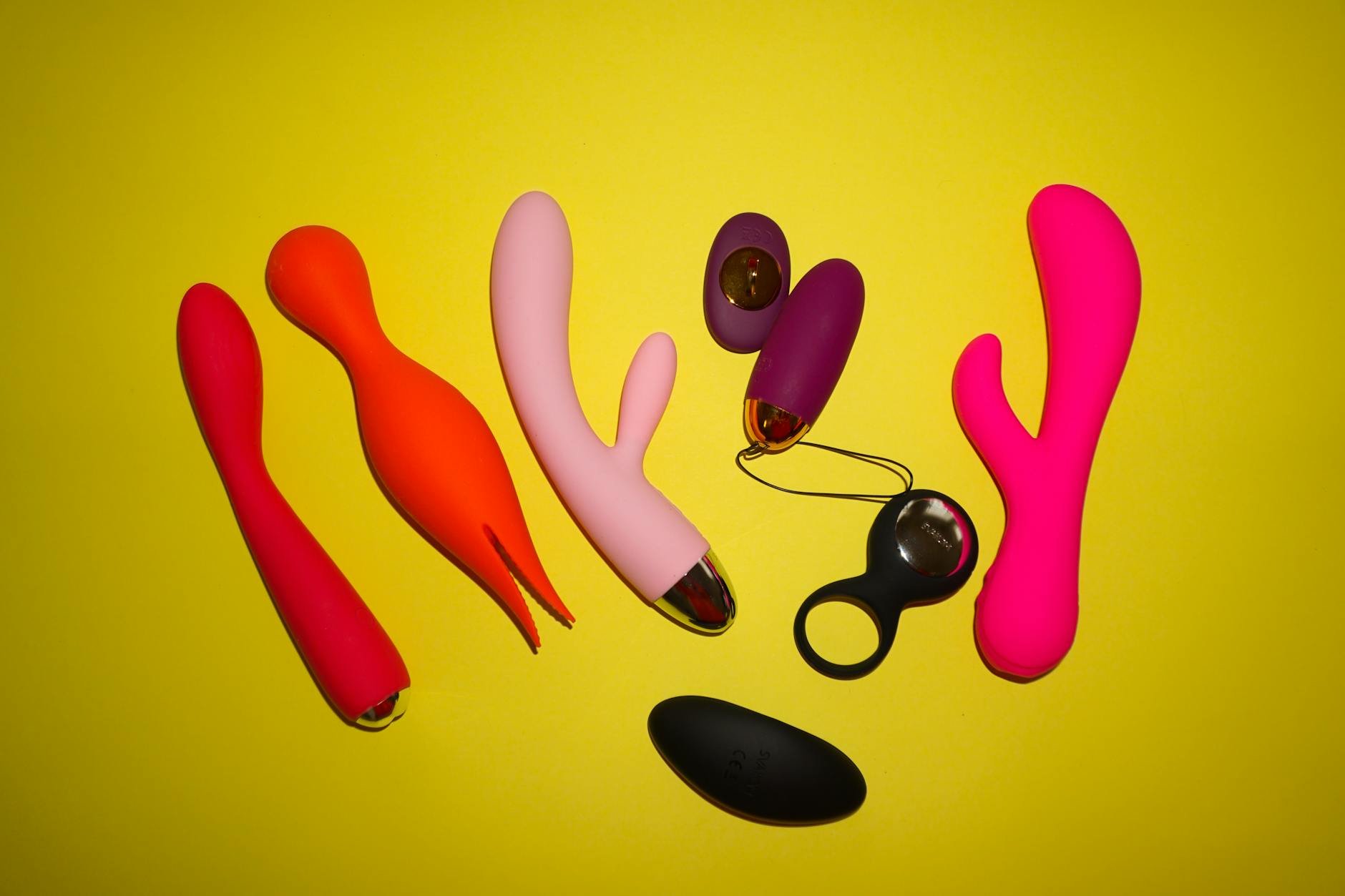
How to Use Lemon Vibrators When You Have Endometriosis or Pelvic Pain
Let's be real: endometriosis and other forms of pelvic pain can feel like a revocation of your sexual life. You're not alone in thinking that. But here's what I see repeatedly in my practice: pleasure doesn't stop when penetrative sex does. It just changes shape.
The good news is that clitoral vibrators like Lemon are specifically built for this transition. They're external, they're precise, and they bypass the areas that hurt.
Understanding pelvic pain and why external stimulation works differently
Endometriosis, adenomyosis, interstitial cystitis, pelvic inflammatory disease, and pelvic floor hypertonia all create pain in different ways. But they share one thing: internal pressure or penetration often amplifies it, while clitoral stimulation doesn't have to.
Here's the difference. When you use a penetrative toy, you're creating pressure inside the pelvic cavity. That pressure can irritate inflamed tissue, trigger cramping, or aggravate an already tense pelvic floor. External clitoral stimulation, by contrast, activates a completely different set of nerve pathways. You're not putting pressure on anything inside.
Lemon vibrators use suction and gentle pulsing instead of thrusting or insertion. That matters because suction doesn't create the same kind of mechanical stress on tender tissue. You're stimulating the clitoral complex (which has thousands of nerve endings) without doing anything to the vagina, uterus, or surrounding structures.
The timing question: when in your cycle you have the most access to pleasure
This is the part no one talks about, and it's huge.
For many people with endometriosis, pleasure is easier during the first half of your cycle. After ovulation, inflammatory markers rise, and pain typically intensifies. If you menstruate, the few days leading up to your period and during it are often the worst. The luteal phase (post-ovulation) and menstrual phase are when penetrative pain peaks.
But clitoral pleasure often stays available. Some people find it's actually easier in the luteal phase because the clitoris swells slightly with hormonal shifts, and suction-based stimulation can feel more pronounced.
The practical move: use a Lemon vibrator in the first half of your cycle when you have more freedom. Then, during the second half, shift to clitoral-only stimulation if that feels good. You're not losing pleasure across the month. You're learning when your body has room for different kinds of pleasure.
Position and setup: taking pressure off the pelvic floor
Where you are when you use a clitoral vibrator matters way more than most people realize.
Lying flat on your back is often the worst option for pelvic pain. It can increase intra-abdominal pressure and make your pelvic floor tense up without you noticing. Counterintuitive, I know.
Better options:
Side-lying with a pillow between your knees. This naturally de-tensions your pelvic floor and spreads weight away from painful areas.
Sitting upright or semi-reclined (propped on pillows) with your knees bent and supported. Gravity helps instead of hurts.
On your stomach with a pillow under your hips. This reduces direct pressure on the lower abdomen.
The main thing: avoid full spinal flexion (curling forward) or hip positions that press directly into the lower belly. Use pillows aggressively. Support your knees, your lower back, your arms. Your pelvic floor will thank you.
How to use a Lemon clitoral vibrator with sensitivity to pain
Start conservative. A Lemon vibrator like the Lem has multiple intensity levels for exactly this reason. Begin on patterns 1 or 2, never jump straight to high intensity.
Approach from the side or diagonal angle rather than straight-on pressure. Direct vertical pressure on the clitoris can feel overwhelming if you're used to pain in that area. Angling the vibrator slightly redirects sensation.
Use it over underwear or a thin layer of fabric first. This creates a buffer that softens intensity and lets you gauge whether direct contact feels safe. Many people with pelvic pain find that this tiny reduction in pressure makes the whole experience accessible.
Go slower on warm-up than you might otherwise. Your nervous system is primed to perceive threat in this area, so giving yourself 10-15 minutes of slow, gentle stimulation before ramping up helps your brain downshift out of protection mode.
Communication with partners when you have endometriosis
This is where intimacy actually rebuilds, and it's not sexy but it's critical.
Many partners of people with pelvic pain blame themselves. They feel rejected, or they worry they're causing harm. And that anxiety often comes out as avoidance or resentment. It becomes "we can't have sex" instead of "we're exploring what sex looks like now."
Invite your partner into this as an experiment, not a limitation. "I want to show you what feels good now" is radically different from "I can't do what we used to do." One is collaborative. The other feels like loss.
Show them how to use a Lemon vibrator with you if that appeals to you. Let them hold it, control intensity, feel your responses. This gives them an active role in your pleasure instead of casting them as a bystander to your pain. How Lemon Vibrators Help When Partners Have Mismatched Pleasure Expectations goes deeper into navigating these conversations.
Building arousal without triggering pain flares
One of the cruelest parts of pelvic pain is that even anticipation of pain can shut arousal down. Your body learns to brace.
Work on non-sexual touch first. Massage, kissing, skin contact that has absolutely nothing to do with genitals. This teaches your nervous system that touch is safe again. That's not foreplay. That's nervous system retraining.
Only move toward genital touch once you feel genuinely relaxed. Not "managed." Not "pushing through." Actually relaxed. This might take weeks. That's fine.
When you do introduce a Lemon vibrator, pair it with something that calms you. A heating pad on your lower belly (away from the vibrator, obviously), deep breathing, music, dim lighting. You're building a context where arousal can happen alongside pain management.
When to pause and when to call a specialist
There's a difference between discomfort and pain. Discomfort is mild, temporary, manageable. Pain is sharp, persistent, or escalating.
If you experience sharp pain during or immediately after clitoral stimulation, stop. This might mean your pelvic floor is too tense, or it might mean that particular intensity doesn't work for you right now. Neither is permanent. Try again another day with lower intensity.
If pain worsens over hours or days following any kind of stimulation, talk to a pelvic floor physical therapist. Some people with severe endometriosis need support learning to relax their pelvic floor before pleasure is accessible. That's not a problem. It's information.
Similarly, if you're on a treatment plan for endometriosis (surgery, hormonal therapy, etc.), check with your doctor before introducing new stimulation. Some treatments change what your tissue can tolerate.
The mental shift: pleasure as part of healing
Here's what my clients with pelvic pain often miss: pleasure isn't frivolous when you're in pain. It's part of how your nervous system learns safety again.
When you experience pleasure, your brain releases dopamine, oxytocin, and endorphins. These aren't just nice feelings. They're active pain management. They downregulate your threat response. They help your pelvic floor relax instead of clench.
Using a Lemon vibrator isn't distraction from pain. It's nervous system medicine. It's your brain and body learning that this area can feel good, not just bad.
That retraining takes time and gentleness, but it works. How Lemon Vibrators Help When You Have Vaginismus or Pelvic Floor Tension covers this in more depth.
Practical tools for flare days
On days when pain is acute or you're mid-flare, you might skip clitoral stimulation altogether. That's not a setback. That's listening to your body.
But you can still access touch and closeness. Use a Lemon vibrator on ultra-low setting as a gentle massager on non-pelvic areas: inner arms, neck, breasts, inner thighs. This keeps pleasure in your body without triggering pelvic pain.
Or skip the vibrator entirely and focus on being touched. Ask your partner for a specific kind of contact: slow, light stroking. No agenda. No destination. Just sensation and presence. These experiences rebuild intimacy without requiring orgasm or genital contact.
FAQ: Pelvic pain and Lemon vibrators
Can I use a clitoral vibrator during my period if I have endometriosis?
Yes, but with caution. Many people find clitoral stimulation during their period is actually easier because the clitoris is more engorged and sensitive. However, some people experience increased cramping from any arousal during menstruation. Start on a lower intensity, watch for increased pain, and pause if cramping intensifies. You'll quickly learn what your body tolerates.
Will using a vibrator make my endometriosis worse?
No. Clitoral stimulation doesn't spread endometrial tissue or worsen inflammation. What can happen is that if you push through pain or use high intensity when your pelvic floor is tense, you might aggravate existing tension. That's not the vibrator causing harm. That's pacing mattering. How Lemon Vibrators Help After Stopping Hormonal Contraceptives also discusses hormonal context that can shift pain levels.
How do I know if I have vaginismus vs. endometriosis pain?
Vaginismus is involuntary pelvic floor tightening, usually triggered by anticipated pain or penetration. Endometriosis is inflammatory tissue growth outside the uterus. You can have both. Vaginismus is a response. Endometriosis is a structural condition. A pelvic floor physical therapist can assess which one (or both) you're dealing with. The treatment approaches differ, but clitoral vibrators work for both.
Is it okay to use a Lemon vibrator if I'm waiting for endometriosis surgery?
Most gynecologists say yes to clitoral stimulation pre-surgery, as long as it doesn't trigger pain. Ask your surgeon directly before surgery is scheduled. Some surgeries require pelvic rest, but that's post-op, not pre-op. Pre-surgery, gentle pleasure can actually help you relax and manage pain.
What if my partner is hesitant about me using a vibrator because of my pain?
This often stems from fear that they're being replaced or that the vibrator is somehow causing the pain. Have a clear conversation: "This tool helps me experience pleasure in a way that my body can handle right now. It's not about you. It's about me staying connected to my sexuality while managing pain." If they're still resistant, that might be worth exploring with a couples therapist who understands chronic pain.
Can clitoral vibration help with pelvic floor tension or vaginismus?
Yes, but carefully. Low-intensity suction stimulation can help desensitize the clitoris and teach your pelvic floor that touch is safe. However, if high intensity or direct pressure triggers clenching, back off. Some people benefit from combining vibration with pelvic floor physical therapy.
You deserve pleasure, even with pain
Endometriosis and pelvic pain are real, they're limiting, and they deserve to be taken seriously. That seriousness doesn't mean giving up on pleasure. It means being intentional about how you access it.
A clitoral vibrator like the Lemon gives you a tool that works with your body instead of against it. It bypasses the areas that hurt. It builds pleasure in your nervous system at a pace your body can handle. It's not a workaround. It's a genuine pathway forward.
If you're navigating this alone or with a partner, if you're not sure what your body needs right now, reach out. Contact us and we can talk through what might work for you.