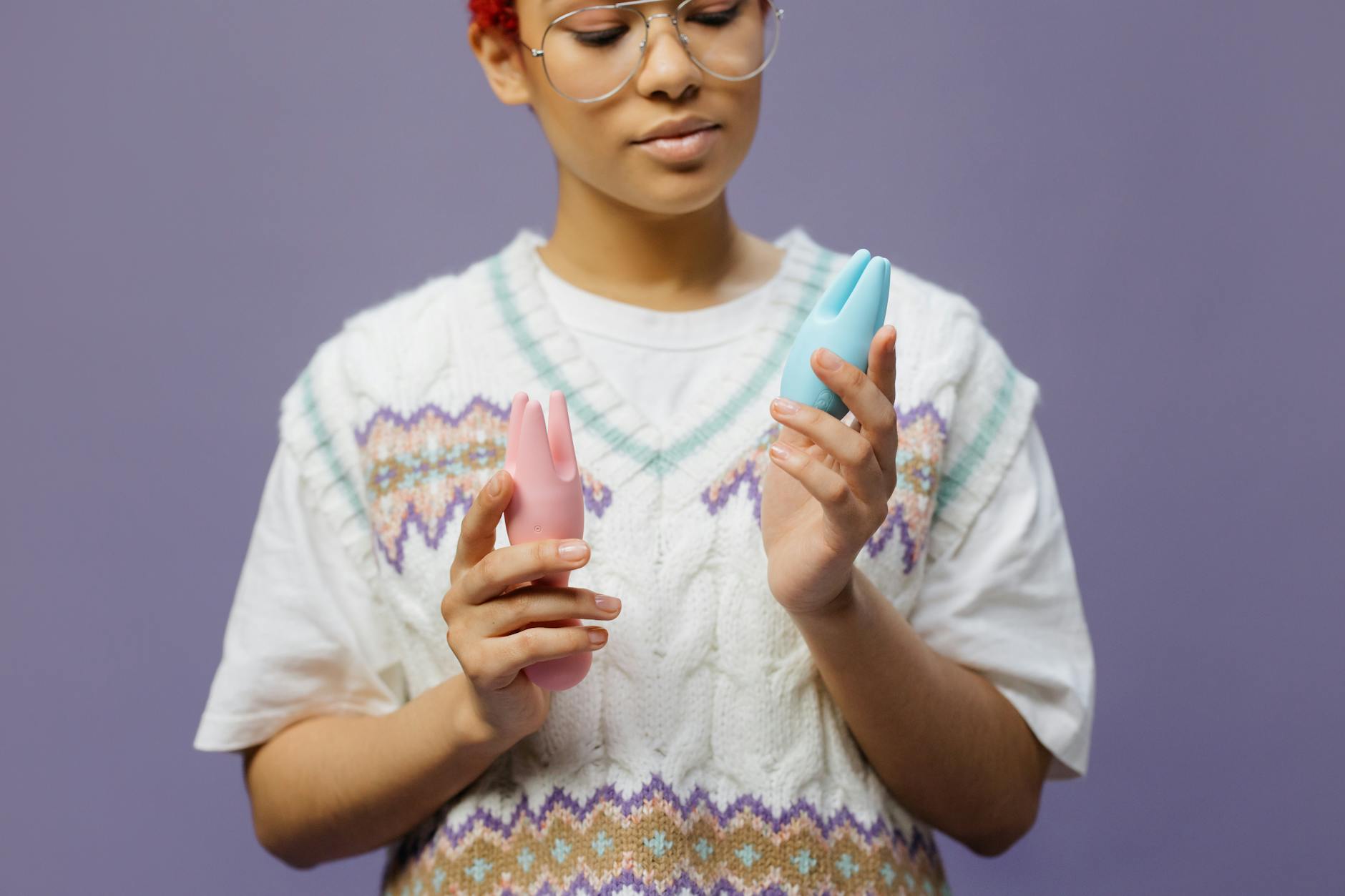
Let's be honest about what's happening in your body
Vaginismus isn't a choice. It's your pelvic floor muscles doing their job too well. When penetration is attempted, these muscles tighten involuntarily, making sex painful or physically impossible. The frustration isn't just physical. It's the cognitive loop that follows: anticipate pain, muscles tense, pain happens, anticipation worsens.
Here's the crucial part: vaginismus and pelvic floor tension affect penetration. They don't touch clitoral pleasure. That distinction changes everything about how you can reclaim sensation and intimacy right now, without waiting for full pelvic floor rehabilitation.
Why clitoral stimulation bypasses the vaginismus response
Your pelvic floor muscles are designed to contract around penetration. That's the reflex. Clitoral stimulation doesn't trigger the same protective mechanism because the clitoris sits outside the vaginal opening. When you're using a lemon clitoral vibrator, you're accessing pleasure through a completely different neural pathway. The muscles that lock down during penetration remain calm.
This matters because it means you're not fighting your own nervous system. You're working with it. Many people with vaginismus report that external clitoral stimulation feels easier, more comfortable, and more reliably pleasurable than anything involving the vaginal canal. Some of my clients have their most intense orgasms through external stimulation alone.
The secondary benefit is deeper. When your body experiences consistent pleasure without pain, your nervous system recalibrates. You're building new associations. Arousal doesn't automatically trigger the fear response that tightens those muscles.
The pelvic floor isn't your enemy
Before we talk technique, let's reframe the pelvic floor. These muscles aren't broken. They're overprotective. In many cases, vaginismus develops after pelvic trauma, penetrative pain, anxiety, or even just cultural messaging about sex being dangerous or forbidden. The pelvic floor responds to all of that by tightening.
Your job isn't to force relaxation. It's to teach your body that pleasure is safe. Lemon vibrators help because they offer consistent, predictable stimulation that feels good without demanding anything from the muscles that are in protective mode. You're essentially showing your nervous system: this is safe, this feels good, nothing bad is happening.
How to start with lemon vibrators if you have vaginismus
1. Choose external clitoral stimulation only. The Lem vibrator is perfect for this. You're never penetrating anything. You're just applying gentle suction and pulsing sensation to the clitoral complex. Zero vaginal involvement.
2. Start at the lowest setting. Begin with the gentlest pattern. Your pelvic floor may tense involuntarily even with external stimulation if you're new to this. Lower intensity gives your nervous system time to register that nothing threatening is happening. You can always increase later.
3. Budget time for warm-up. Don't jump straight to the Lem. Spend 10-15 minutes with your hands, a massage wand, or just breathing. Let your body settle. When people with vaginismus skip foreplay and go straight to penetration attempts, they're starting from a place of tension. External stimulation should be no different. Ease into it.
4. Use generous lubrication. Water-based lube reduces friction and makes the entire experience feel smoother and less intense. This is especially true if your clitoral tissue feels sensitive or if you're on medications that affect lubrication. The lube isn't about vaginal penetration here. It's about making the external experience more comfortable.
5. Notice what your body does, not what you think it should do. Vaginismus often comes with performance pressure. People expect themselves to relax on command. Your pelvic floor doesn't work that way. If you're using a lemon clitoral vibrator and feel tightness happening, that's not failure. That's information. Note it. Keep going gently. Many people find the tension eases naturally as pleasure builds.
What happens when you combine external stimulation with breathing
Your nervous system is partly voluntary and partly automatic. You can't directly command your pelvic floor to relax. But you can influence it through breath.
When people experience pain or anticipate pain, breathing becomes shallow. Shallow breathing signals the nervous system that something's wrong. When you're using a lemon vibrator, try this: breathe in through your nose for a count of four, out through your mouth for a count of six. Longer exhales calm your parasympathetic nervous system. Pair this with the vibrator and you're creating a double signal to your body: this is safe, this feels good, I'm relaxed.
Many clients report that breathing work alone transforms the experience. The vibrator becomes more pleasurable. The pelvic floor stays calmer. You're not forcing anything. You're just supporting your nervous system to do what it naturally wants to do.
Solo play vs. partnered scenarios with vaginismus
Solo exploration with a lemon clitoral vibrator is lower pressure. There's no performance demand. No one's watching. Your body can respond at its own pace. This is often the best place to start rebuilding trust in your own pleasure.
When you do bring a partner into the picture, set boundaries first. Tell them: I'm exploring external clitoral stimulation. There's zero expectation of penetration. This is about me learning what feels good and giving my nervous system new associations. Many partners find that this approach actually deepens intimacy. They're not performing. They're supporting.
If a partner wants to be involved, they can learn to use the lemon vibrator on you, which adds an intimacy layer without introducing the vaginal element that triggers vaginismus. Some couples find that this becomes their preferred form of sex entirely. Penetration becomes optional, not mandatory.
When pelvic floor physical therapy enters the picture
Clitoral vibrators are not a replacement for pelvic floor therapy if you need it. But they work beautifully alongside it. A pelvic floor physical therapist can teach you genuine relaxation techniques and internal stretching. Between sessions, using external stimulation helps your body build positive pleasure associations. You're not choosing one path or the other. You're using them in concert.
Most pelvic floor therapists actually encourage external pleasure as part of the healing process. It's not a distraction from treatment. It's part of treatment. Your nervous system needs to learn that sexual sensation is safe. The Lem vibrator helps teach that lesson while your therapist works on the muscular component.
The timeline and what to expect
Progress isn't linear. Some days external stimulation feels amazing. Other days you feel more tension. This is completely normal and doesn't mean you're failing. Your nervous system is learning. It takes time. Most people start noticing that external stimulation feels progressively easier and more pleasurable after 2-4 weeks of regular use. Some notice shifts within days. Everyone's nervous system is different.
If you've had vaginismus for years, your body might need months to fully recalibrate. That's okay. You're building new associations from the ground up. Patience and consistency matter more than intensity.
One more thing about your pelvic floor
Your pelvic floor isn't punishing you. It's protecting you based on what it learned. Using a lemon clitoral vibrator is a way of gently, consistently teaching it that pleasure is safe. You're not fighting your body. You're rewiring it.
People also ask
Can vaginismus cause numbness with clitoral stimulation?
Numbness during clitoral stimulation is possible but less common with vaginismus specifically. If you're experiencing that, it's often tied to anxiety, certain medications, or sometimes pelvic floor tension radiating outward. Try longer warm-up time, lower vibrator intensity, and deeper breathing. If numbness persists, check with a pelvic floor physical therapist or gynecologist to rule out other factors.
Is using a vibrator going to make vaginismus worse?
No. External clitoral stimulation doesn't worsen vaginismus because it doesn't trigger the penetration reflex. In fact, the opposite is true. Consistent positive pleasure experiences help your nervous system relax. The key is staying external. If you're attempting any kind of penetration before your pelvic floor is ready, that could increase tension. Stick with clitoral stimulation and let penetration come later.
Should I tell my partner I have vaginismus before using lemon vibrators together?
Yes. Communication removes the guesswork. Explain that your pelvic floor tightens involuntarily and that external clitoral stimulation feels safer right now. Most partners respond with relief because now they understand what's happening. They also understand what helps. Transparency actually deepens intimacy because it removes the shame and confusion. <a href="/blog/how-lemon-vibrators-help-when-pleasure-feels-disconnected-from-intimacy-with-a-partner">When pleasure feels disconnected from intimacy with a partner</a>, clarity about what works becomes the bridge.
How long does it take for vaginismus to improve with external stimulation?
Every nervous system heals at its own pace. Some people notice significant shifts in 4-6 weeks. Others need months. The important part is consistency. Using a lemon vibrator occasionally won't rewire your nervous system. Regular use, even 2-3 times per week, builds new associations faster. Progress compounds over time.
What if I experience pain during clitoral vibration even though there's no penetration?
Pain during external clitoral stimulation usually signals one of three things: the intensity is too high, you're not sufficiently aroused yet, or there's an underlying issue like nerve sensitivity. Lower the vibration pattern first. Add more warm-up time. If pain persists, check with a gynecologist because sometimes clitoral pain has other causes. Don't just power through. Pain is information.
Can I use lemon vibrators while I'm working with a pelvic floor therapist?
Absolutely. Most pelvic floor therapists encourage it. External pleasure work supports the physical therapy process. It teaches your nervous system that sexual sensation is safe while your therapist addresses the muscular component. <a href="/blog/how-to-use-lemon-vibrators-when-you-have-endometriosis-or-pelvic-pain">If you're managing pelvic pain alongside other conditions</a>, discuss your vibrator use with your therapist so they can advise on timing and intensity relative to your treatment.