
The weird part nobody warns you about
Depression flattens desire. That's the part everyone knows. What nobody tells you is that when it lifts, coming back online feels almost stranger than being gone. Suddenly your body wants things again, and you're standing there thinking: Am I ready for this? Do I remember how? Is this safe?
Here's what matters to know up front. Your libido didn't break. Depression quieted it. And now that it's returning, you deserve to approach it with intention instead of guilt, curiosity instead of pressure, and tools that honor where you actually are in recovery.
Why desire returns, and why it feels disorienting
When depression lifts, several things happen at once. Your nervous system is becoming more regulated. Serotonin levels stabilize. You're sleeping better. Oxytocin production picks up again. Basically, your body is waking up, and that waking-up process includes sexual desire returning to the table.
But here's the thing. You've been away from your body for a while. Whether that was months or years, there's usually some disconnection there. Your partner might be relieved or confused or both. You might feel guilty about the time you didn't want sex, then guilty about suddenly wanting it again. That's not broken thinking. That's normal adjustment to a major transition.
What makes it worse is that most of us try to just resume where we left off, as if nothing happened. You can't. And you don't need to.
The reconnection phase (before you add a vibrator)
I tell clients this constantly: you don't start with a tool. You start with your own hand.
Before you reach for lemon sexual toys or any other device, spend a week or two with just your fingers. No vibration, no pressure to come, no timeline. Just touching yourself the way a curious friend might explore a new room. What feels good now? Not what felt good before. Now.
During depression, your sensory preferences often shift. Cold water might feel sharp instead of refreshing. Your favorite music might feel too loud. Your skin might feel numb in some places and overly sensitive in others. Same thing happens with genital sensation. Don't assume the old map still works.
This reconnection phase is also when you rebuild trust in your own signals. Depression teaches your nervous system to override what your body is telling you. You have to unlearn that. Simple touch, with zero performance pressure, is how you do it.
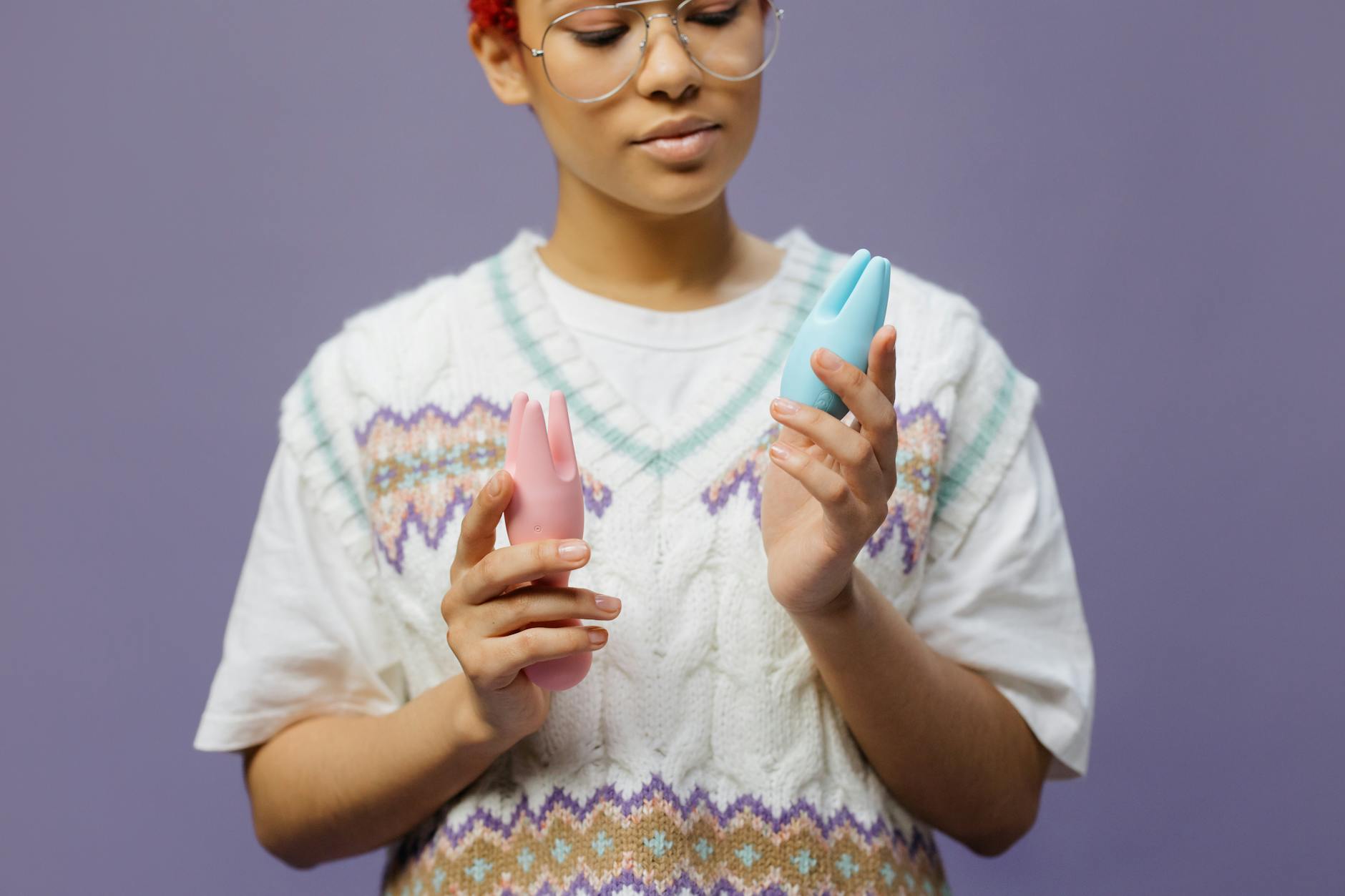
Photo by cottonbro studio on Pexels
When to introduce a lemon clitoral vibrator
Once you've spent time exploring on your own and you're noticing consistent signals, a clitoral vibrator becomes useful. Here's why specifically a suction-style toy like a Lemon vibrator helps during recovery.
Vibration itself is gentle. You're not adding force; you're adding stimulation. The pattern-based approach means you can find a rhythm that matches your nervous system's pace. And honestly? The specificity helps your brain settle down. Depression often pairs with anxiety, and having a single focused point of sensation can actually feel calming instead of overwhelming.
Start with the lowest pattern on your Lemon vibrator. You're not trying to reach orgasm on day one. You're trying to notice what sensation feels like again, how your body responds to directed stimulus, and whether pleasure feels safe.
What to watch for (and when to pause)
Three things come up a lot during this phase, so let's name them directly.
Numbness is normal, not permanent. If you use your lemon vibrator and feel almost nothing, that's not failure. That's your nervous system still waking up. Many people need several sessions before sensation becomes crisp again. It will. Keep the vibrator on low, spend 10 minutes without a goal, then stop. Your body learns in repetition, not in forcing the issue.
Emotion might show up unexpectedly. You might cry during an orgasm. You might feel anger. You might feel nothing and then feel guilty about that. All of these are fine. Your body is processing the return of a sensation it didn't have access to for a while. Let it.
If anxiety spikes, stop. Not forever. Just that session. Put the vibrator down, spend five minutes grounding yourself (feet on the floor, naming five things you can see), and try again tomorrow or next week. There's no deadline here. Your nervous system gets to move at its own pace.
If you're rebuilding with a partner
If you have a partner, this conversation is separate from the solo exploration. Don't combine them yet.
When you do bring a partner back in, tell them what's happening. "I'm relearning what my body likes" is all the explanation needed. You don't owe them performance. You don't owe them immediate penetrative sex or orgasms. You owe them honesty about what feels safe.
Some couples use solo vibrator time as foreplay later on. Others keep it completely separate. Both are fine. The point is that you're practicing consent with your own body first. Everything else flows from that.
The deeper thing about pleasure returning
When libido comes back after depression, it often comes with something unexpected. Permission. For the first time in a long time, you're not exhausted by the effort of living. You're not dissociating during sex to escape your own thoughts. You're not lying there feeling guilty about not wanting it.
That shift creates space for actual pleasure. Not performance pleasure. Not partner-service pleasure. Your pleasure.
A Lemon vibrator becomes useful not because it fixes anything, but because it gives your brain something specific to focus on while you practice the radical act of paying attention to what feels good. That's the real work here. The vibrator is just the tool that makes that work easier.
People also ask
Can I use a clitoral vibrator if I'm still on antidepressants?
Yes. SSRIs and other antidepressants can reduce genital sensation temporarily, which is frustrating but not dangerous. Using a vibrator won't hurt you or interact with your medication. You might just need lower intensity or longer warm-up time. If sensation doesn't improve after several months, talk to your prescriber about adjusting your dose or trying a different class of medication. Some people need that conversation.
How long after depression lifts should I wait before using a vibrator?
There's no official timeline. Most people benefit from at least a week or two of solo exploration without any device first. That lets your nervous system settle and your sensory awareness come back online. Once you notice consistent interest and basic sensation is happening, you're ready. If you're not there yet, more waiting is fine too.
Is numbness during vibrator use a sign that something's wrong with the toy?
Almost never. Numbness is almost always about your nervous system still waking up, medication side effects, or the fact that you're using too high an intensity too fast. Start at pattern one on your Lemon vibrator. Spend 10-15 minutes exploring. If nothing happens, stop, and try again in a few days. Your body learns through gentle repetition, not through pushing harder.
What if orgasms feel different or weaker than they used to?
That's extremely common during recovery. Depression changes how your nervous system processes pleasure. As it heals, sensation typically becomes sharper and more intense over weeks or months. If you're only three or four weeks into feeling interested again, you're still very early. Give yourself permission to be patient.
Should I tell my partner I'm using a vibrator during recovery?
That depends on your relationship agreements. If you typically share what you're doing sexually, yes. If you typically have separate solo practices, no. The most important thing is that you're not hiding it from guilt or shame. You're exploring your own body during a vulnerable time. That's valid either way.
What if I feel guilty about wanting sex again after not wanting it for so long?
That guilt is real and it's worth naming. Many people feel like they need to apologize for their depression, including the low libido that came with it. You don't. Your desire is returning because you're healing. There's nothing to feel guilty about. If guilt keeps showing up, that might be worth exploring with a therapist alongside your recovery.
What actually matters here
Your body is coming home to itself. That's what's happening when desire returns after depression. You're not starting over from zero. You're remembering what it feels like to want things, to feel sensation, to move toward pleasure instead of away from it.
A Lemon vibrator, or any clitoral vibrator, is just a tool to make that remembering easier. It gives your nervous system something specific to focus on while you practice the hardest part of recovery. Paying attention to yourself without judgment.
Take your time. Your body will tell you what it needs if you listen. Start low, go slow, and let pleasure return at exactly the pace it's meant to. You've already done the hard work of healing. This part gets to feel good.
If you want to talk through your specific situation, reach out to a therapist or relationship coach who specializes in sexuality and mental health recovery. You deserve support that meets you where you actually are, not where you think you should be.