Here's what nobody tells you about aging and pleasure
Your clitoris doesn't disappear at 40, 50, or 60. But it does change. And because nobody talks about it honestly, most people assume something is wrong with them instead of understanding what's actually happening biologically.
I've worked with hundreds of people navigating this shift, and the pattern is always the same: confusion, followed by relief when someone finally explains what's real.
What actually changes with your clitoris over time
Your clitoris is exquisitely sensitive to hormonal fluctuation, blood flow, and nerve density. As estrogen shifts through perimenopause, menopause, and beyond, all three of these change.
The tissue thins. Blood flow to the vulva decreases. The clitoral glans, which has 8,000 nerve endings, can become less reactive to direct, intense stimulation. What felt incredible at 35 might feel uncomfortable or even numb at 55.
But here's the part that matters: the nerve endings don't go anywhere. Your capacity for pleasure is still there. What changes is the type of stimulation that works best.
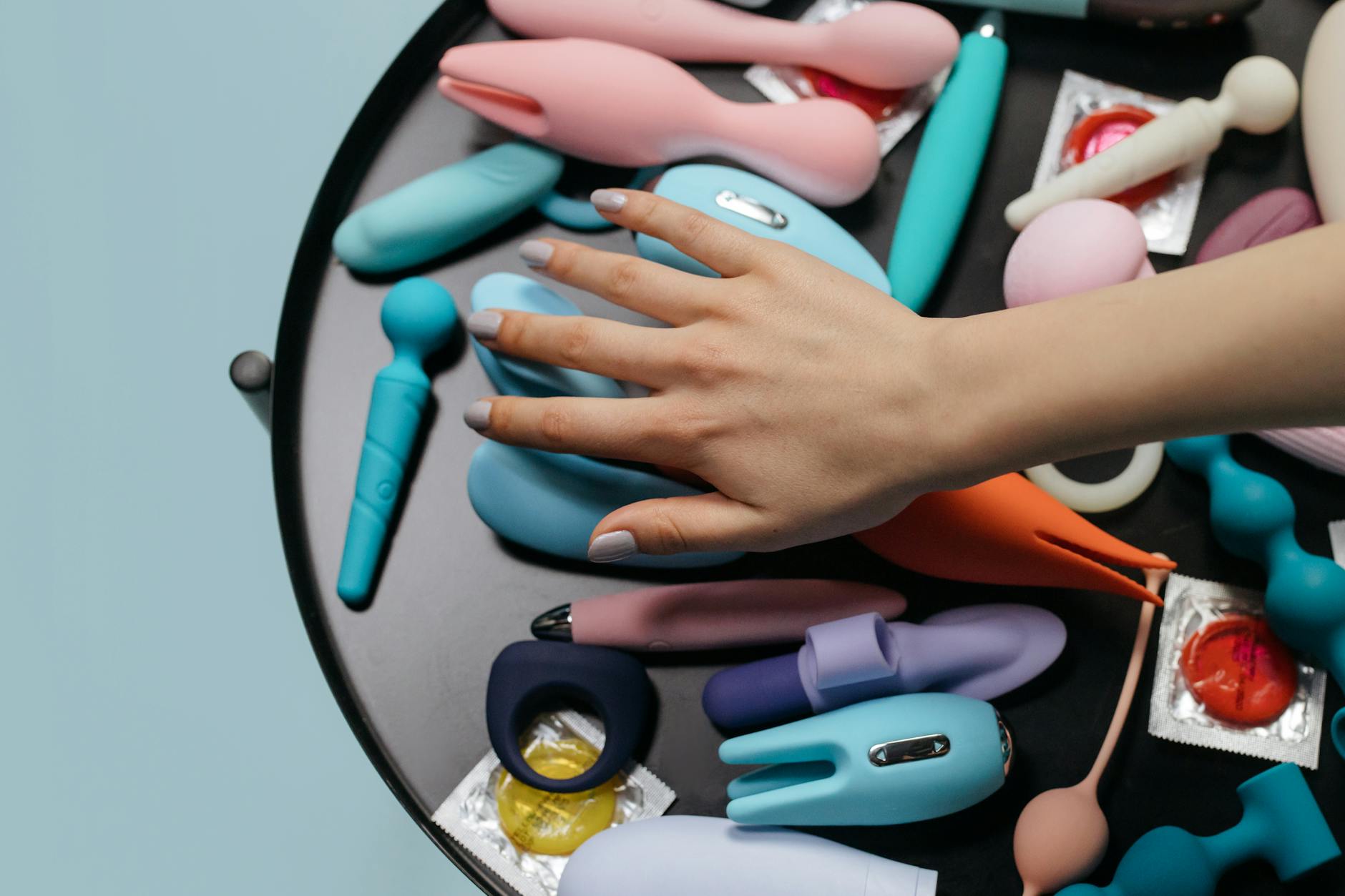
Direct pressure that once felt amazing might now feel overwhelming or even painful. Gentler, broader stimulation often works better. And this is where Lemon vibrators, particularly their suction-based design, become game-changing. Unlike traditional vibrators that rely on direct friction, lemon clitoral vibrators work through gentle suction, which stimulates without the pressure that can feel too intense on changing tissue.
Why sensitivity shifts are not a sign of dysfunction
I need to be clear about this: numbness or reduced sensation during sex is not a personal failing. It's a physiological response to lower estrogen.
When estrogen drops, the vulva receives less blood flow. Less blood flow means less engorgement, which means the clitoris becomes less pronounced and less responsive to touch. This happens to most people at some point. It's not rare. It's not abnormal.
The problem isn't your body. The problem is that you're probably still using the same toys and techniques that worked at 30, and they don't match your physiology anymore.
Think of it like this: if your hearing shifts and your old earbuds feel too loud, you don't assume your ears are broken. You adjust the volume or get better earbuds. Your clitoris deserves the same intelligent adaptation.
How arousal timing shifts and why it matters
Another thing that changes with age is arousal speed. You might notice that it takes longer to get turned on. Fifteen minutes instead of three.
This isn't laziness or low desire. It's lower circulating testosterone and reduced blood flow. Both are normal. And both are manageable if you know what you're working with.
When you expect arousal to happen instantly and it doesn't, frustration kicks in. Frustration makes arousal harder. Then you've created a feedback loop that feels like desire has vanished, when really you just need more time and a different approach.
Lemon vibrators help here because they do the work for you. You're not fighting your body's pace. You're working with it. Start at a lower intensity, build gradually, and give your clitoris the time it actually needs now. This isn't settling. It's strategic.
The role of lubrication in sensitivity changes
Lubricant isn't just about comfort, though that matters. It's also about sensation.
When tissue thins and lubrication decreases naturally, friction increases. This can dull sensation or create pain. A good water-based lubricant doesn't just reduce friction. It actually enhances nerve stimulation because it allows the vibrator to move smoothly without that protective barrier of tension your body creates when it's dry.
This is why I recommend water-based lube to almost everyone over 45. It's not because you're broken. It's because your clitoris deserves to feel good, and lube makes that easier.
When you're using a Lemon vibrator with adequate lubrication, you're not fighting your physiology. You're supporting it.
Why intensity levels matter more now than they did before
Here's something that surprises a lot of people: lower intensity settings often feel better as you age, not worse.
At 30, high-intensity vibration might feel perfect. At 55, that same intensity can feel numbing or even painful because it's overstimulating sensitive tissue. But pattern 1 or 2 on a Lemon vibrator, combined with the suction mechanism, often produces more satisfying sensations than pattern 8 used to.
This isn't about needing less pleasure. It's about the type of stimulation that actually works for your clitoris right now.
Many people in this phase of life report that their most intense orgasms come from lower settings. This is because lower intensity allows you to feel subtle nerve responses that high-intensity vibration masks. You're not numb. You're experiencing sensation differently.
How to restart pleasure after years of avoidance
Honestly, the biggest barrier I see isn't physical. It's psychological.
If you've spent years avoiding sex because you assumed your body was broken, restarting can feel overwhelming. You're bringing shame, embarrassment, and low expectations into something that's supposed to feel good.
Start small. Explore alone first. No performance pressure, no partner expectations. When you take a break from pleasure and come back, your clitoris needs time to relearn what feels good.
Spend 10 minutes with a Lemon vibrator, no agenda. Notice what patterns feel tolerable, then what feels good, then what feels amazing. You might be surprised how quickly your body responds once you're not fighting against outdated expectations.
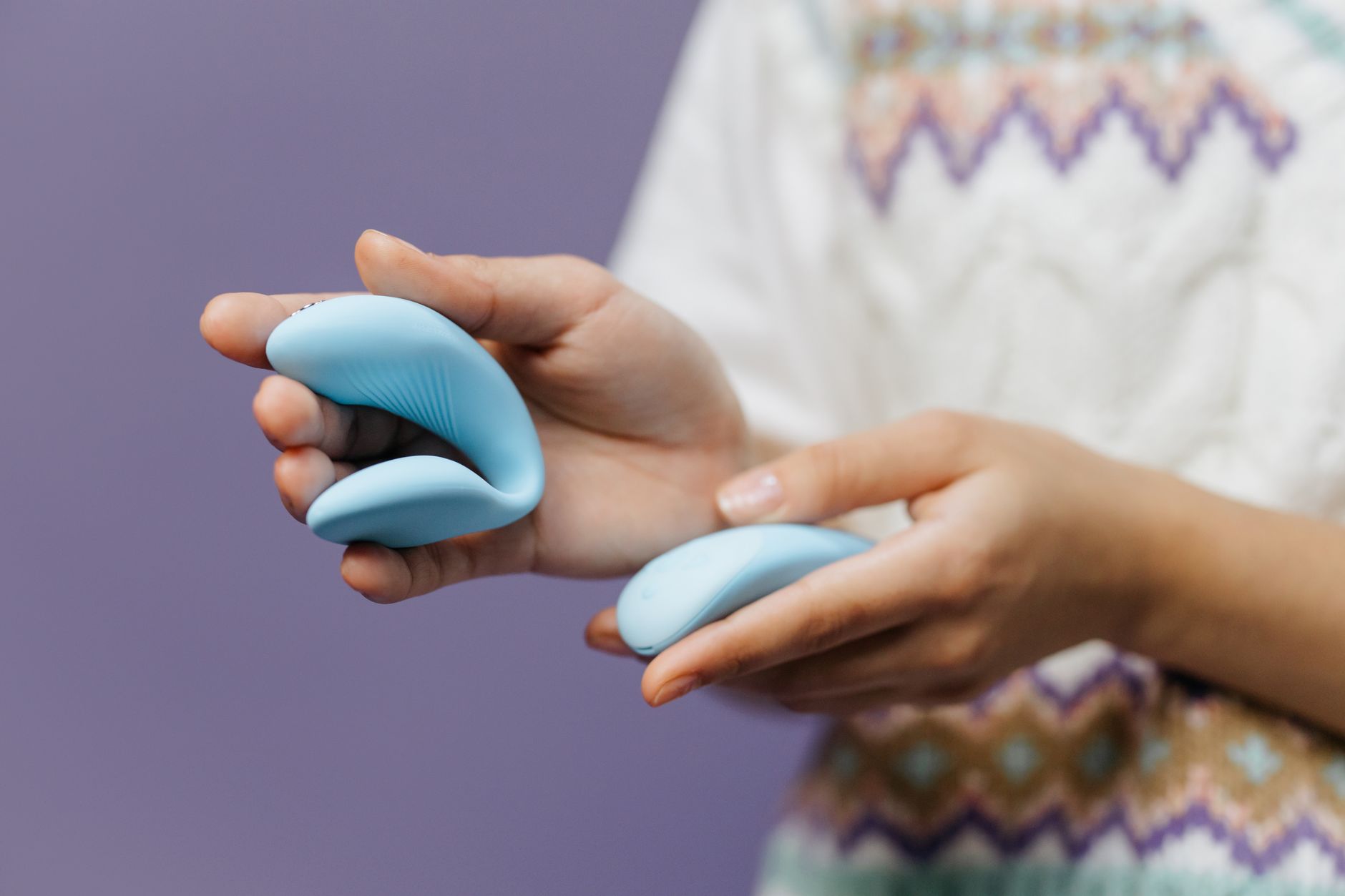
Photo by cottonbro studio on Pexels
When to talk to a doctor about sensitivity changes
If sensitivity loss is sudden and accompanied by pain, numbness, or loss of sensation in other parts of your body, see a doctor. That's not typical aging. That's something else that needs attention.
If you're experiencing pain during sex that wasn't there before, see a gynaecologist. Genitourinary syndrome of menopause is treatable, often with topical estrogen creams. You don't have to live with pain.
But if you're just noticing that your clitoris responds differently to stimulation, that's normal aging. That's exactly what this post is about.
Why partners need to understand this too
If you're in a relationship, your partner's understanding matters. A lot.
If your partner still expects sex to work the way it did 20 years ago, and you're trying to adapt to your body now, you've got a mismatch. The solution isn't to force your body to work the old way. It's to bring your partner into the conversation.
Say it clearly: "My body has changed. This is normal. Here's what feels good now. Here's what I want to explore." A partner who loves you will adapt. If they don't, that's a different conversation.
Using Lemon vibrators together can actually be helpful here. It removes the assumption that something is wrong with you or them. It's just a different tool for a different body phase. That's all.
FAQ
Can clitoral sensitivity come back after menopause?
Yes, but it changes shape. Sensitivity doesn't go back to exactly what it was at 25. Instead, it often becomes more refined. You might notice you're sensitive to subtler stimulation. This can actually be more pleasurable than the blunt sensitivity of youth, once you adjust your expectations. Hormone therapy, if you choose it, can increase sensitivity further by restoring some estrogen.
Is it normal to need longer to orgasm as I get older?
Completely normal. It's one of the most common changes people report. Longer arousal time is not a problem to fix. It's just information about your body's pace now. Building in more foreplay, using tools like Lemon vibrators that do the work efficiently, and adjusting your timeline all help. Orgasm quality often improves even if speed slows.
Should I switch vibrator types as my sensitivity changes?
Maybe. Traditional vibrators rely on direct stimulation, which can feel too intense on thinning or less responsive tissue. Suction-based vibrators like Lemon's design work differently because they don't require pressure. Many people find they work better as sensitivity changes. That said, the best vibrator is the one that feels good to you right now. Experiment with lower intensities first before assuming you need a whole new toy.
Does hormone therapy change clitoral sensitivity?
Yes. If you start estrogen therapy, you'll likely notice increased blood flow to the vulva, thicker tissue, and stronger clitoral responsiveness within weeks. Topical estrogen creams work faster than systemic therapy. If sensitivity loss is significantly affecting your quality of life, talking to a doctor about hormone options is worth it.
Can I use a Lemon vibrator if I'm on blood thinners or have vascular issues?
Talk to your doctor, but generally, vibrators are safe with most medications. If you have concerns about blood flow or bruising, start at the lowest intensity and use plenty of lubricant. Your healthcare provider knows your specific situation best.
What if nothing feels good anymore, even with adjustments?
If you've tried lower intensities, longer warm-up time, good lubrication, and nothing feels pleasurable, see a gynaecologist. This can indicate hormone deficiency, vascular issues, or sometimes depression or medication side effects. Many of these are treatable. You don't have to accept numbness as permanent.
What happens next
Your clitoris isn't broken. It's evolving. And evolution, by definition, requires adaptation.
The good news: adaptation is possible. Your body still wants pleasure. It just needs you to meet it where it is now, not where it was 20 years ago. Lemon vibrators, with their gentler suction-based design and adjustable intensities, adapt with you. They work with your physiology instead of against it.
Start exploring. Notice what feels good. Build from there. And remember: the best sex life isn't the one you had at 25. It's the one you're having now, informed by experience, freed from performance pressure, and designed around what actually feels incredible in your body today.
If you're ready to explore what works for you now, our buying guide walks through different options. Or if you have questions specific to your situation, reach out. You deserve pleasure at every stage of your life. That's not negotiable.