Let's name what's actually happening
Here's the thing: your body responds differently when you're alone than when you're with a partner. And that's not a flaw. It's neurobiology.
When you're solo, your nervous system is in control. You know exactly what builds you up, the rhythm that works, the pressure that feels right. When a partner enters the picture, your brain switches into a different mode. You're monitoring their pleasure, managing the connection, reading cues. That's not bad. But it means your body's full attention isn't always on sensation.
Add to that the very real pressure to be present, responsive, and engaged on someone else's timeline, and sensation can feel muted, delayed, or just plain different. Many people describe it as feeling like they're watching themselves rather than feeling themselves. That distance between solo sensation and partnered sensation is one of the most common things I hear about in my practice.
Why this happens physiologically
Your nervous system has two basic states: parasympathetic (rest and digest, where pleasure happens) and sympathetic (fight or flight, where you're evaluating, monitoring, protecting yourself). During partnered sex, even in a relationship you love, you're partly in sympathetic mode because there's another person involved. You're managing the relational dynamic, even if you're not aware of it.
This means:
Arousal takes longer to build. Your body isn't purely focused on sensation. It's split between pleasure and presence.
Touch feels different. Your partner's touch carries emotional weight that solo sensation doesn't. Sometimes that deepens pleasure. Sometimes it creates a layer of self-consciousness that mutes it.
Orgasm feels less intense or more elusive. Many people find orgasm easy alone but harder with a partner, not because their body broke, but because their nervous system isn't fully permissioned to let go.
You feel disconnected from your own pleasure. This is the weird one. You might be aroused and engaged, but feel like you're observing the experience rather than living it.
How lemon clitoral vibrators change the equation
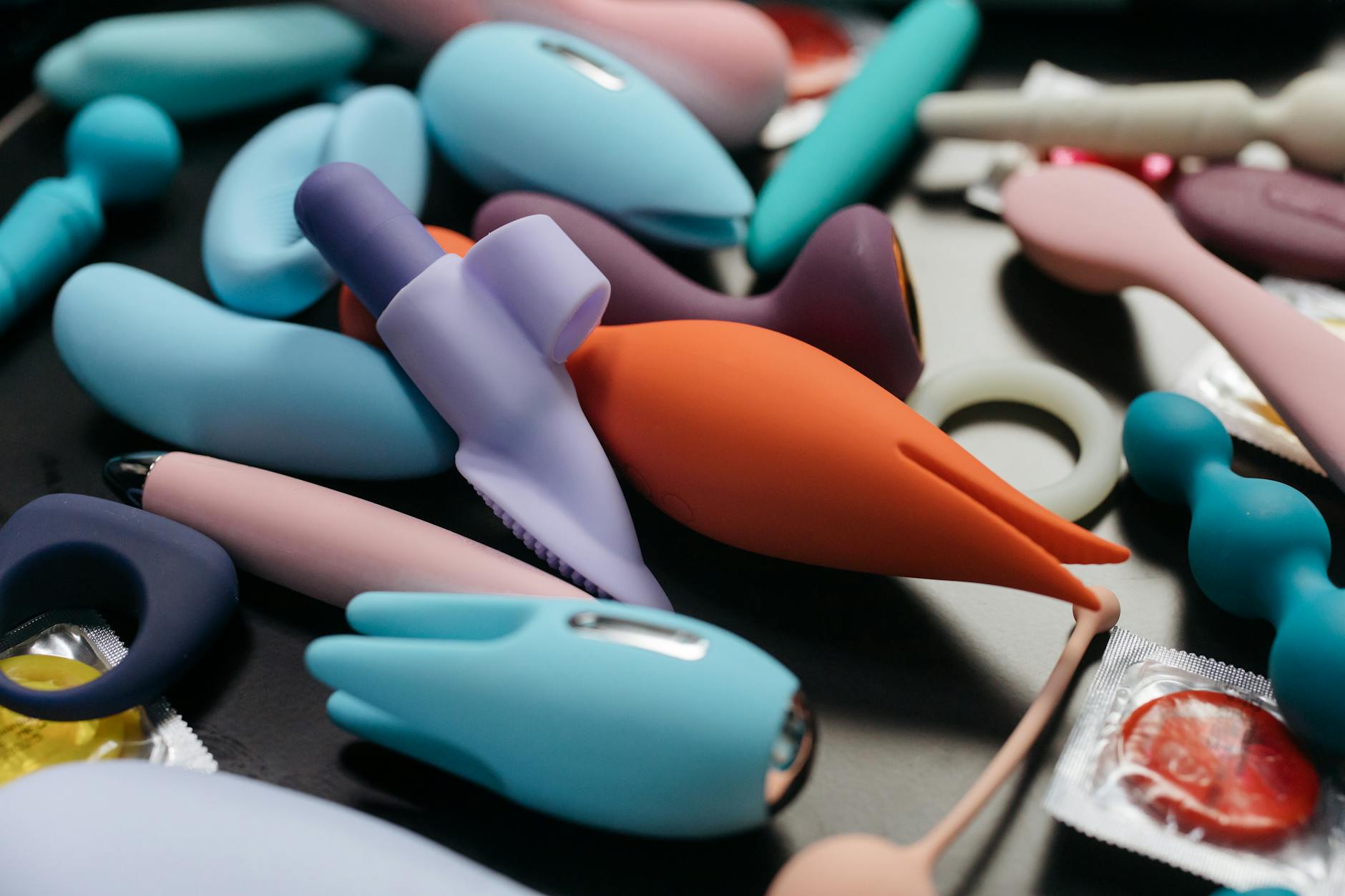
A lemon sucker or other quality lemon adult toy does something specific during partnered sex that nothing else does: it gives you a guaranteed, consistent source of sensation you control completely.
When you add a lemon vibrator into partnered sex, you're doing three things at once:
- You're giving your clitoris the direct, focused stimulation that helps it respond reliably, even when your nervous system is partly elsewhere.
- You're taking back agency. You control the intensity, the pattern, the rhythm. That autonomy itself signals safety to your nervous system and helps shift out of monitor mode.
- You're creating a bridge between solo and partnered sensation. The consistency of the vibrator meets your body's need for predictability while your partner contributes other forms of touch and presence.
This is not about your partner's touch being insufficient. This is about your nervous system needing permission and consistency to fully feel, especially when there's relational awareness involved.
The practical setup that actually works
First, talk about it before you get to the bedroom. Not as "I can't feel you," but as "I'd love to use my lemon vibrator with you. I want to feel more present and responsive." Frame it as collaboration, not compensation.
Second, start with the vibrator in a position where your partner can see it, so there's no mystery or pressure. Many couples find it hottest when there's visual connection and the vibrator isn't hidden under the sheets.
Third, use a lower pattern initially. You want to feel the vibration without it overwhelming other sensations. Many lemon vibrator users start at pattern 1 or 2, then increase if needed. The goal isn't maximum sensation. It's the right amount of consistent stimulation to help your nervous system relax into feeling.
Fourth, let your partner know what helps. Some people want hands. Some want penetration. Some want kissing or attention elsewhere. The vibrator isn't the only thing happening. It's the anchor that lets everything else land.
What changes when you actually use them together
Once you get past the initial vulnerability of introducing a tool into partnered sex, something shifts. Your body starts to trust that sensation will be available. You're not white-knuckling your way to orgasm or pretending to feel something you don't. You're actually there.
People often report that they become more responsive overall after using lemon clitoral vibrators with partners regularly. Their nervous system learns that partnered sex can feel as good as solo sensation. Over time, many people find they need the vibrator less often because their body's baseline responsiveness improves.
That's not the vibrator fixing a broken system. That's consistent, safe sensation rewiring your nervous system to believe that pleasure is available even when another person is in the room.
When sensation stays muted even with the vibrator
If you're using a lemon vibrator and still feeling disconnected, the gap might not be physical. Emotional distance, unresolved conflict, or stress in the relationship itself can muffle sensation even when your clitoris is being stimulated perfectly.
Take a pause and ask: Am I actually safe with this person right now? Not physically, but emotionally. Do I trust them? Am I carrying resentment? Is there something unspoken between us?
Those things live in your nervous system and override physical pleasure. A lemon sexual toy can't fix a relationship problem. But it can help you feel clear about what you're actually dealing with.
If the relationship feels solid and sensation is still flat, stress, anxiety, or other factors might be at play. Sometimes working with a therapist on what's happening in your body and your relationship together makes a bigger difference than any toy.
The reframe that changes everything
Here's what I want you to know: using a lemon vibrator during partnered sex isn't a compromise. It's not settling. It's you saying, "I know what helps my body feel alive, and I'm going to take responsibility for that." That's powerful.
Many people learn through this that their sensation isn't broken. Their nervous system was just waiting for permission to relax. Once you experience partnered sex where you're actually feeling your own pleasure instead of managing it, the whole dynamic shifts.
Your partner gets to see you fully present and responsive. You get to actually feel pleasure instead of performing it. That's a completely different experience than what you had before.
FAQ
Can using a vibrator during partnered sex make my partner feel inadequate?
Not if you communicate clearly. Frame it as "I want to feel more with you," not "I can't feel what you're doing." Many partners find it incredibly hot to see their partner's pleasure amplified and visible. The vibrator isn't replacing them. It's letting you be more present and responsive, which most partners prefer to a muted version of you.
Will I become dependent on the vibrator and not be able to come without it?
No. In fact, the opposite often happens. Once your nervous system learns that partnered pleasure is possible and safe, you often become more responsive overall. Some people use the vibrator less frequently over time because their baseline sensation improves.
What if my partner wants to use the vibrator on me but I don't like that?
Then you control it. Full stop. You know your body's preferences better than anyone. Using a lemon clitoral vibrator yourself during partnered sex keeps you in the driver's seat of your own pleasure, which is exactly where you want to be.
How do I bring this up if we've never talked about toys during sex?
Start outside the bedroom. "I've been thinking about trying something during sex to help me feel more present. I'd love your input." Most partners appreciate the honesty and feel relieved they get to be part of the conversation rather than surprised in the moment.
Should I use my vibrator every time we have sex?
Not if you don't want to. Some people use it regularly until their nervous system adjusts, then dial back. Others use it sometimes depending on stress levels or how they're feeling that day. It's a tool you control, not a requirement.
What if sensation stays disconnected even with a vibrator and my partner is supportive?
Then look at other factors: stress levels, sleep, how connected you feel in the relationship overall, or whether something deeper is happening psychologically. Returning to pleasure after depression or healing from relationship trauma takes time and sometimes support beyond what a toy can offer.