Let's name what's happening
You started a new birth control. Within weeks or months, sex started to hurt. Or didn't feel like much of anything. You're wondering if this is normal, if it's permanent, and whether you should just live with it. Here's the honest answer: it's normal, it's usually not permanent, and you absolutely shouldn't live with it.
Birth control rewires how your body responds to touch. It changes vaginal tissue thickness, natural lubrication, and how quickly arousal builds. For some people, this shift is minor. For others, it's the difference between comfortable pleasure and genuine pain.
Why birth control causes pain during sex
Most hormonal birth control suppresses estrogen production or shifts the estrogen to progesterone ratio in your body. Estrogen does something crucial: it maintains the vaginal epithelium. This is the tissue lining your vagina. When estrogen drops or gets rebalanced, that tissue gets thinner, less flexible, and produces less natural lubrication.
The result feels like this. Touch that used to feel good now feels raw or overstimulating. Penetration feels uncomfortable, even with a partner you trust and plenty of foreplay. Arousal takes longer to build, or doesn't build at all. You might feel physically distant from sensations that used to be reliable and pleasurable.
This isn't psychological. It's literally a tissue change. And it's temporary. Your body usually stabilizes within three to six months, sometimes longer.
The role of clitoral stimulation when penetrative sex hurts
Here's the thing about penetration pain on birth control. The urge is often to avoid all sexual touch until it stops. That's understandable, but it actually slows your body's readjustment. Clitoral stimulation does the opposite.
When you stimulate the clitoris directly, you're activating neural pathways that don't depend on estrogen-responsive tissue in the same way. You're also building blood flow to the area, which naturally supports tissue recovery. You're signaling to your nervous system that pleasure is still available, which combats the spiral of avoidance and anxiety.
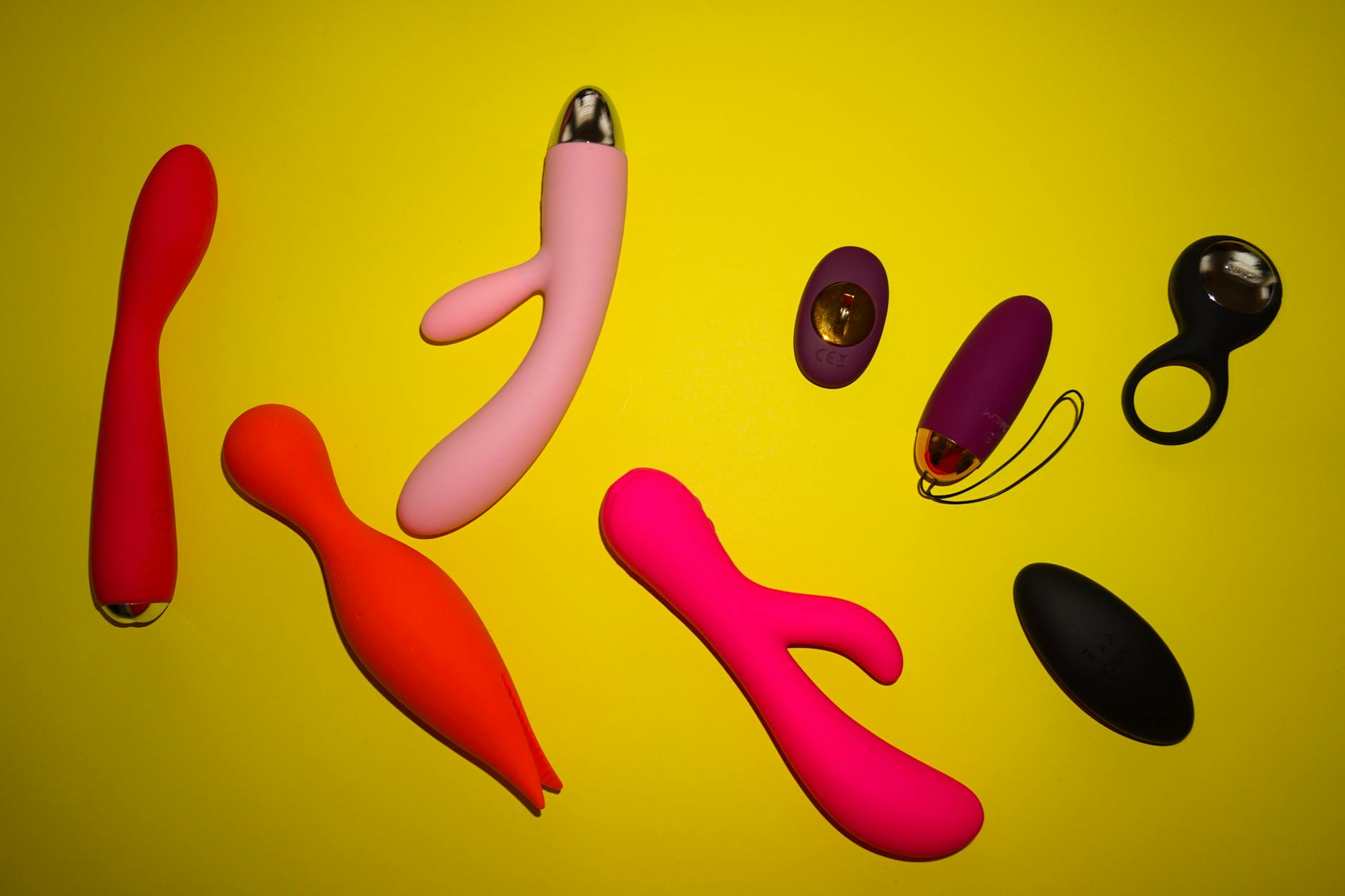
Lemon clitoral vibrators are especially useful here because suction-based stimulation doesn't require the kind of direct friction that can feel painful on already-sensitive tissue. The sensation is diffuse and rhythmic, which often feels soothing rather than irritating.
What happens in your first week with a Lemon vibrator
Start low and slow. I mean this literally. If you're using a lemon clitoral vibrator for the first time after birth control pain, begin at pattern one or two. Your tissue is hypersensitive right now, and discovering your new baseline matters more than intensity.
Spend 10-15 minutes just exploring. No orgasm goal. No outcome goal. Just attention. Notice what patterns feel good, which ones feel too sharp, where on the clitoral area feels safest right now. Your body is giving you real information. Listen.
You might find that certain patterns feel almost numbing and good, like they're calming an overactive nerve. Others might feel too direct. Both are valid signals. Some people find that the broader suction sensation of a lemon sucker works better initially than a more pinpointed vibration.
Building back arousal without penetration
One of the most useful things a clitoral vibrator does during this phase is rebuild your arousal capacity without triggering pain. You can have full, satisfying orgasms through clitoral stimulation alone. For weeks or months, this might be your primary sexual outlet.
That's not a downgrade. That's strategic. You're keeping your nervous system engaged, maintaining your baseline capacity for pleasure, and giving your tissue time to stabilize. All while avoiding the pain that makes you want to shut down sexually.
If you have a partner, this is also a gift. How to Use Lemon Vibrators When Your Partner Prefers Spontaneous Sex covers the communication side, but the basic truth is this. A partner who can support clitoral pleasure while you're healing is a partner who's investing in your long-term sexual health. Lean into that.
When to try penetration again
Wait until clitoral stimulation feels good without any rawness or burning afterward. That's usually the sign your tissue is stabilizing. Some people get there in three months. Others take six or longer. Neither timeline is wrong.
When you do return to penetration, the same rule applies. Start with external touch first. Use a generous amount of water-based lubricant. Check in with yourself constantly. Pain is information. Discomfort that's about sensation adjusting is different from pain that feels like injury.
If pain persists after six months, talk to your doctor. Some birth control formulations cause more tissue changes than others. Switching pills or methods might be the answer. You don't have to accept painful sex as the cost of contraception.
The role of lemon vibrators during the return to partnered sex
Many people find that using a lemon clitoral vibrator during partnered sex, even as penetration resumes, keeps pleasure front and center. It's not a workaround. It's an upgrade. You're building a sexual experience where your clitoral pleasure is integrated from the start, not something that happens if penetration goes well.
This actually helps your partner too. How to Use Lemon Vibrators When You and Your Partner Want Different Intensities explores this more deeply, but the core idea is the same. A vibrator gives you agency over your own sensation while staying connected to your partner. You're not waiting for them to figure out what you need. You're showing them.
Practical adjustments that make a difference
Three things beyond the vibrator that matter.
First, water-based lubricant. Not because you're broken, but because birth control-thinned tissue benefits from it every single time. Silicone-based lubes feel richer, but they can damage silicone toys. Stick to water-based, and keep it nearby.
Second, extended foreplay. Arousal takes longer to build on hormonal birth control. Budget 20-30 minutes instead of assuming five or ten minutes of touch is enough. Your nervous system isn't moving at the speed it used to. That's not laziness. That's physiology.
Third, pelvic floor awareness. Birth control pain often triggers protective tension in the pelvic floor. Your muscles contract to guard against the discomfort. This makes everything worse. Learning to consciously relax your pelvic floor is one of the most underrated skills in this recovery. Simple breathing exercises help. Kegels don't. Let go.
When you might need professional support
If pain is severe, burning, or accompanied by unusual discharge, see a gynecologist. Some birth control methods cause more pronounced tissue changes than others. Estrogen-only pills, hormonal IUDs, and progestin-only methods affect your body differently. A gynecologist trained in sexual health can sometimes recommend adjustments.
If you find yourself avoiding all sexual touch, developing anxiety around sex, or feeling disconnected from your partner, consider talking to a therapist. Pain changes your relationship to pleasure. A good therapist can help you separate the physical sensation from the emotional weight it's carrying.
You don't have to white-knuckle through this alone. Support exists.
The long-term picture
Most people stabilize within three to six months. Your tissue adapts. Arousal comes back. Penetration becomes comfortable again. Some people discover that clitoral vibrators continue to be part of their sexual life because they've learned something true: direct clitoral pleasure is worth keeping.
Whatever happens, know this. Pain during sex after starting birth control is a side effect, not a personality flaw. Your body isn't broken. Your birth control choice might just need tweaking. And tools like lemon clitoral vibrators are there to help you stay connected to pleasure while your body figures things out.
Frequently asked questions
How long does birth control pain during sex typically last?
Most people experience the worst tissue thinning and lubrication changes within the first three months after starting hormonal birth control. By six months, the body has usually stabilized and pain begins to ease. Some people adjust faster, others take longer. If pain persists beyond six months, it's worth checking in with your doctor about whether this particular birth control formulation is right for you. Switching to a different pill or method sometimes makes a dramatic difference.
Can I use a Lemon vibrator if penetration hurts?
Absolutely. In fact, clitoral vibrators like lemon sexual toys are often easier to tolerate than penetration when tissue is sensitive from birth control changes. The broad suction stimulation of a lemon clitoral vibrator doesn't require the kind of direct friction that can aggravate raw or thinned tissue. Start at the lowest pattern and spend time discovering what feels good. Many people find clitoral-only pleasure is their primary sexual outlet during the adjustment period.
Does using a vibrator make birth control pain worse?
No, provided you start gently and listen to your body. Low-intensity stimulation actually helps by increasing blood flow to the area and rebuilding your arousal capacity. High-intensity vibration on already-sensitive tissue can feel raw, which is why starting at patterns one or two matters. If any pattern feels painful rather than pleasurable, stop and try a different one the next day. Your nervous system will tell you what it needs.
Will my lubrication come back after switching birth control?
Often yes. Natural lubrication usually improves when you switch to a formulation with a different estrogen to progesterone ratio, or when you move away from hormonal birth control entirely. Some people find that certain birth control methods have less impact on tissue than others. A conversation with your gynecologist about your specific symptoms can help identify whether switching is likely to help.
Is it normal to need lubricant during partnered sex on birth control?
Completely normal. Hormonal birth control can reduce your body's natural lubrication production. This doesn't mean you're not aroused. It means your body is responding to a hormonal shift. Water-based lubricant is not a workaround for a broken body. It's a practical tool that lets you have comfortable sex while your tissue adjusts. Using it consistently is healthy and smart.
Can I get back to normal sex, or will I always need help?
Most people do return to comfortable, penetrative sex without tools. The timeline varies, but three to six months is typical. Some people discover they prefer incorporating vibrators into their sex life long-term, and that's also completely fine. Your baseline after six months will tell you whether birth control pain is resolving or whether a different birth control method might be worth exploring.
Sources and clinical grounding: Information in this article reflects established gynecological understanding of how hormonal birth control affects vaginal tissue, as documented in obstetric and gynecological literature on genitourinary syndrome and medication-induced sexual side effects. If you're experiencing severe pain or symptoms that don't improve, consult a gynecologist trained in sexual health medicine.